

Should You Feed Your Dog or Cat a BARF Diet?
If you’ve been researching pet nutrition, you’ve probably come across the BARF diet. Short for “Biologically Appropriate Raw Food” or sometimes “Bones and Raw Food,” BARF feeding centers on uncooked animal-based ingredients. Some pet parents are drawn to it because they want to take a more hands-on approach to their dog’s or cat’s meals.
But is a BARF diet right for your pet? Before changing what goes into the food bowl, it’s important to understand the nutritional requirements, food safety concerns, and practical responsibilities involved.
TL;DR: A BARF diet for dogs and cats needs careful planning to avoid nutritional imbalances and foodborne illness. Raw feeding isn’t automatically healthier than a balanced cooked or commercial diet, and veterinary guidance matters. Animal Wellness Academy’s Should You Feed Your Dog/Cat a BARF Diet? course offers a starting point for exploring the approach and the questions to consider before making a dietary change.
What Is a BARF Diet for Dogs and Cats?
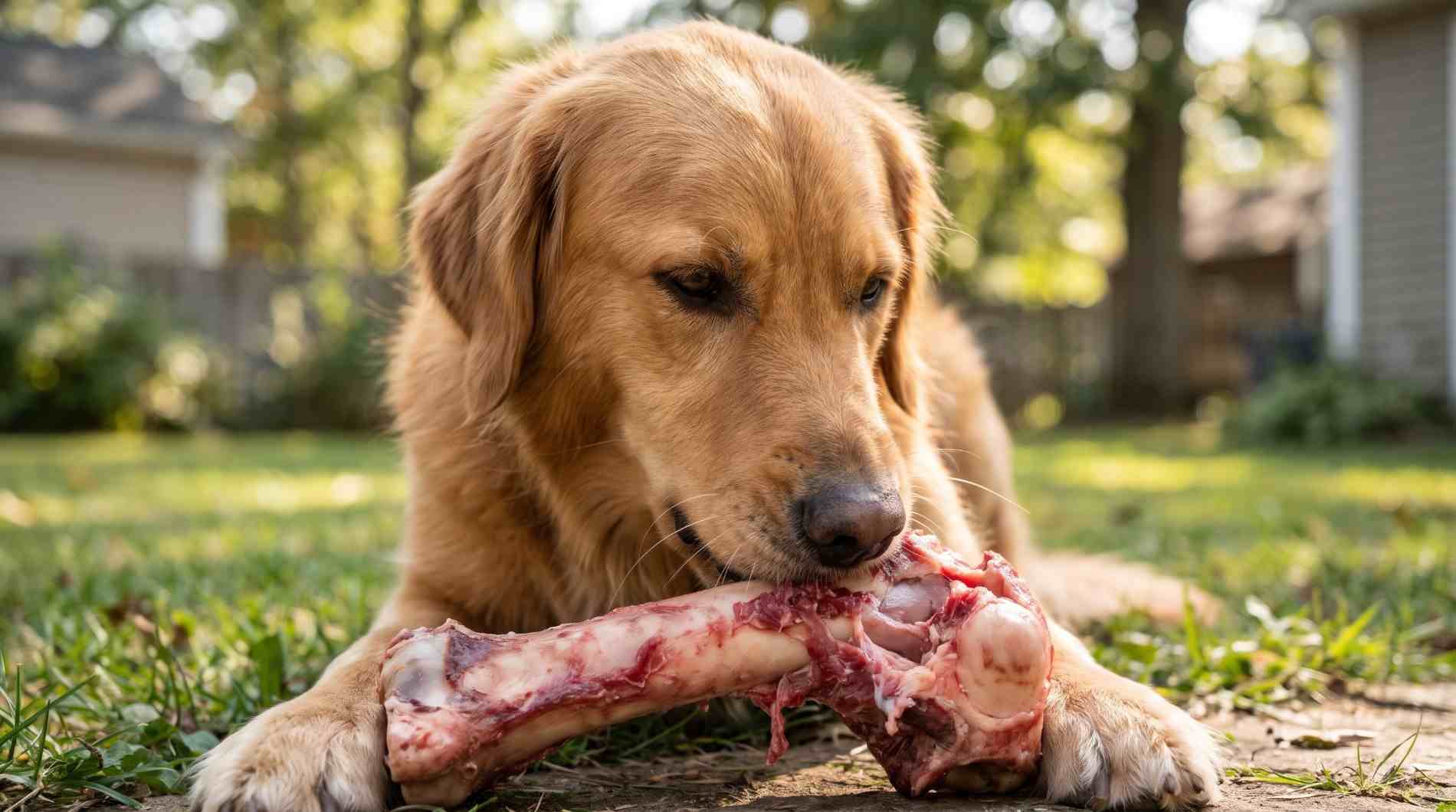
A BARF diet typically includes uncooked meat, organs, and sometimes raw meaty bones. Depending on the recipe, it may also include selected vegetables, fruits, or supplements. Recipes vary, so two diets labeled “BARF” may have very different nutritional profiles.
Supporters often prefer raw feeding because it feels closer to what they imagine a dog or cat would eat in the wild. However, the needs of companion animals are not identical to those of their wild relatives. Dogs and cats need diets that provide the right balance of nutrients for their species, life stage, and health.
Raw ingredients alone don’t guarantee a complete diet. A meal can contain appealing ingredients and still be deficient in essential nutrients or provide too much of others. This is especially concerning for puppies and kittens, which need carefully balanced nutrition for healthy growth.
Are There Benefits to Feeding a BARF Diet?
Pet parents who choose raw feeding may report changes in stool quality, digestion, or coat appearance. However, individual experiences don’t establish that raw diets are healthier overall.
Current veterinary nutrition guidance finds no robust evidence that raw meat-based diets offer health benefits over appropriately balanced cooked or commercial diets. Some raw diets may be digestible, but digestibility alone doesn’t prove that a diet is safer or more nutritious.
If your goal is to support your pet’s digestion, skin, or overall wellness, talk with your veterinarian about the specific concern. There may be ways to address it without introducing the additional risks associated with raw animal products.
What Are the Risks of a BARF Diet?
Before deciding whether to feed a BARF diet, consider three important concerns.
- Bacterial contamination: Raw meat can carry pathogens such as Salmonella, E. coli, and Listeria. Pets can become ill or carry bacteria without obvious symptoms, potentially exposing people in the household.
- Nutritional imbalances: Homemade recipes may lack essential nutrients or contain excessive amounts of certain minerals or vitamins. These problems can lead to serious health issues over time.
- Bone-related injuries: Raw bones can fracture teeth, cause constipation, or lead to choking and digestive tract obstructions.
These risks deserve particular attention if your household includes young children, older adults, pregnant people, or anyone with a weakened immune system.
The U.S. Centers for Disease Control and Prevention does not recommend feeding raw pet food to dogs and cats because of the risk of foodborne illness. Freezing or freeze-drying raw ingredients does not reliably eliminate harmful germs.
How Can You Decide What to Feed Your Pet?
Start by considering your dog’s or cat’s age, activity level, medical history, and nutritional needs. If you’re interested in a BARF diet, discuss it with your veterinarian before making the switch. A veterinary nutritionist can help you assess whether a proposed diet meets your pet’s requirements.
Ask how the diet is formulated, whether its nutritional adequacy has been evaluated, and what food safety measures are used. If you prefer a less processed approach, your veterinarian can also discuss balanced cooked diets or commercially prepared foods that meet appropriate nutritional standards.
Remember, you don’t have to choose a diet simply because it’s popular or described as natural. The best feeding plan is one that meets your pet’s nutritional needs and fits your household’s ability to prepare, store, and handle food safely.
Take Our Course: “Should You Feed Your Dog/Cat a BARF Diet?”
Want to learn more before making changes to your pet’s food bowl?
Animal Wellness Academy’s Should You Feed Your Dog/Cat a BARF Diet? course offers an opportunity to explore raw feeding and the considerations behind this approach. Use what you learn to ask informed questions and have a more productive conversation with your veterinarian about your dog’s or cat’s nutritional needs.
Frequently Asked Questions
Is a BARF diet suitable for every dog or cat?
No. Suitability depends on the animal’s health and nutritional needs, and raw feeding carries food safety risks. Consult your veterinarian before changing your pet’s diet.
Can a BARF diet improve my pet’s digestion?
Some owners report digestive changes, but there is no robust evidence that raw diets provide better overall health benefits than balanced alternatives. Persistent digestive problems should be assessed by a veterinarian.
Can I make a balanced BARF diet at home?
It can be difficult to formulate a complete and balanced homemade diet. Work with a veterinary nutritionist rather than relying on an unverified recipe.
Is commercial raw pet food safer than homemade raw food?
Commercial products vary in quality and safety controls. Even commercially prepared raw food can carry harmful pathogens, so it is not risk-free.