
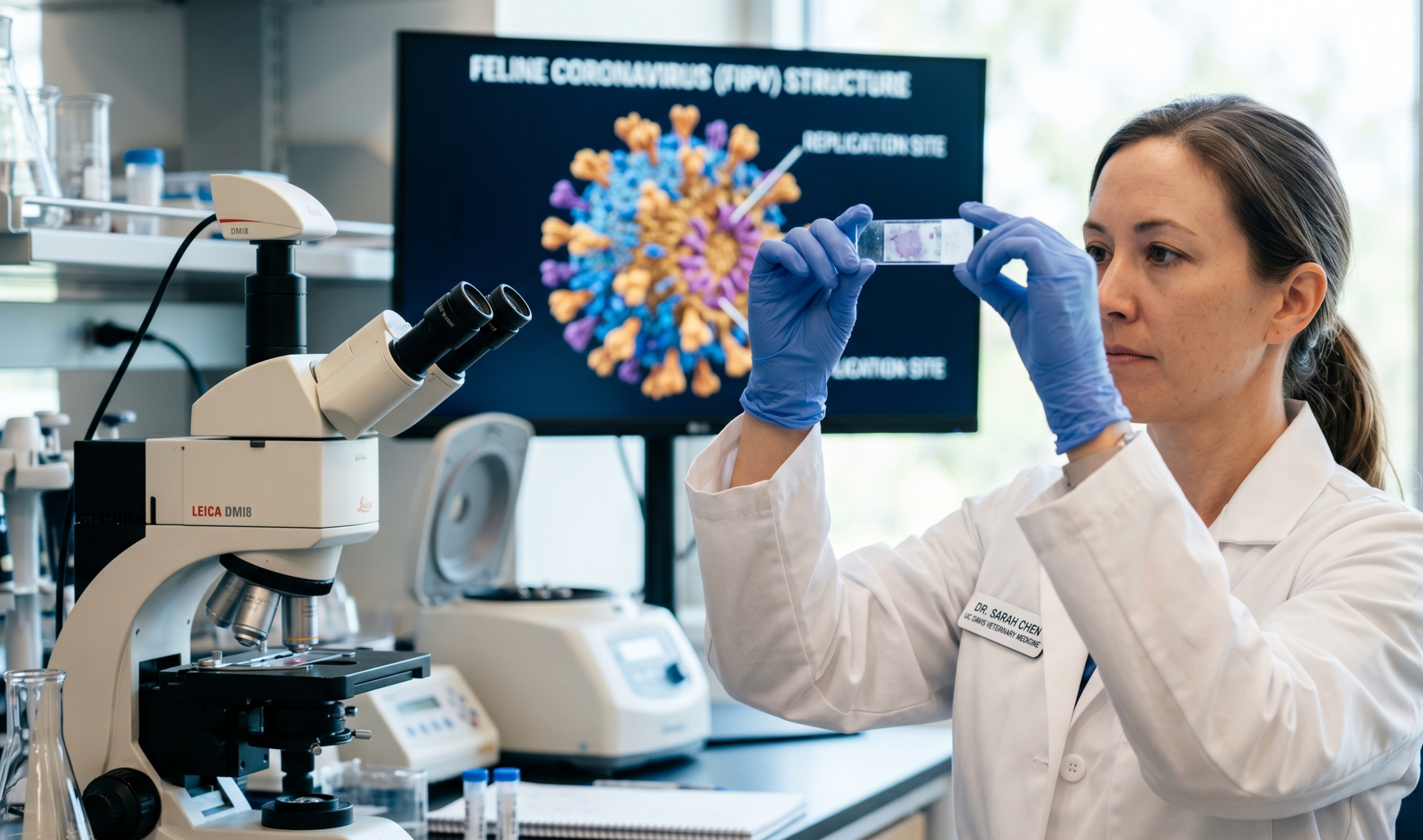
Researchers at the University of California, Davis, have uncovered new insights into how feline infectious peritonitis (FIP) spreads through the immune system. These findings may reshape our understanding of coronavirus persistence in both animals and humans. Published in Veterinary Microbiology, the study reveals that the virus responsible for FIP infects a wider range of immune cells than previously believed, offering a valuable model for studying long-term coronavirus disease.
FIP, caused by a mutated form of feline coronavirus, remains one of the most devastating diseases in cats. Without treatment, it is almost always fatal. While the disease is species-specific, it shares striking similarities with severe coronavirus-related conditions in humans, including widespread inflammation, multi-organ damage, and symptoms that can persist or recur.
For years, the prevailing view was that FIP virus targeted only one type of immune cell. The recent study challenged this assumption by examining lymph node samples from cats with naturally occurring FIP. Analysis revealed viral material inside multiple immune cell types, including B lymphocytes, which produce antibodies, and T lymphocytes, which orchestrate immune defense. Importantly, the virus was not merely present but actively replicating within these cells.
This broader infection pattern has significant implications. In human medicine, scientists suspect that coronaviruses may persist in immune tissues, contributing to chronic illness or relapse. However, direct study in humans is limited by the difficulty of accessing lymph nodes and other immune structures. Cats with FIP provide a rare opportunity to observe these processes in a naturally occurring disease.
The researchers also found that viral traces could remain in immune cells even after antiviral treatment, when cats appeared clinically healthy. Because some immune cells can survive for years, this lingering infection may explain why certain animals relapse or develop long-term immune dysfunction.
For veterinary professionals, the findings underscore the complexity of FIP and highlight the importance of continued research into immune-targeted therapies. They also position FIP as a valuable comparative model for understanding chronic inflammation and post-viral syndromes, including long COVID in humans.