
3 TCVM Supplements for Canine Cancer
As veterinary medicine continues to evolve, more practitioners and dog caregivers are exploring integrative approaches to cancer care. Among the most frequently discussed herbal supplements…


As veterinary medicine continues to evolve, more practitioners and dog caregivers are exploring integrative approaches to cancer care. Among the most frequently discussed herbal supplements…
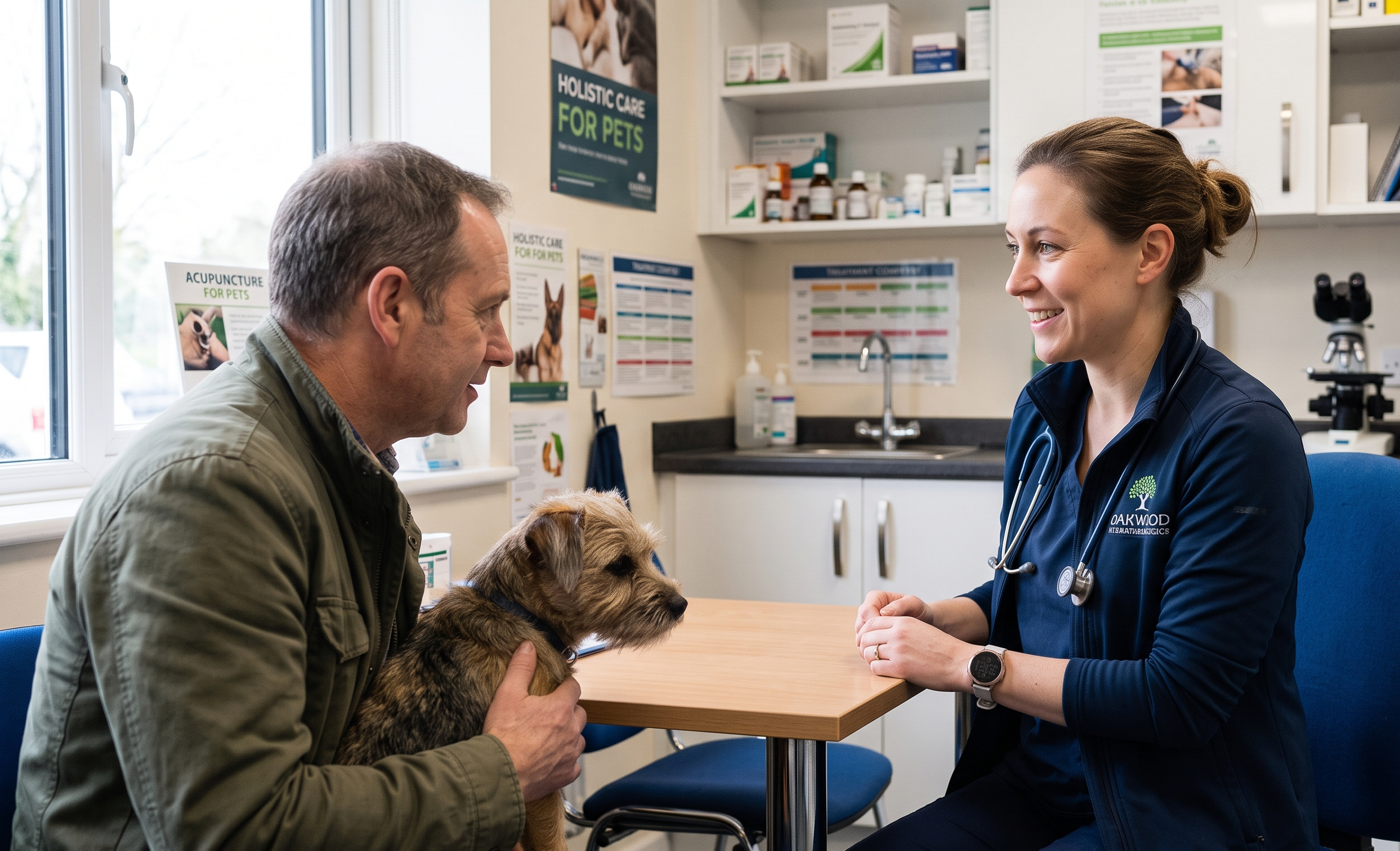
A new policy review highlights a framework for synthesizing evidence in Traditional, Complementary, and Integrative Medicine (TCIM), with homeopathy as a case study. For veterinarians,…
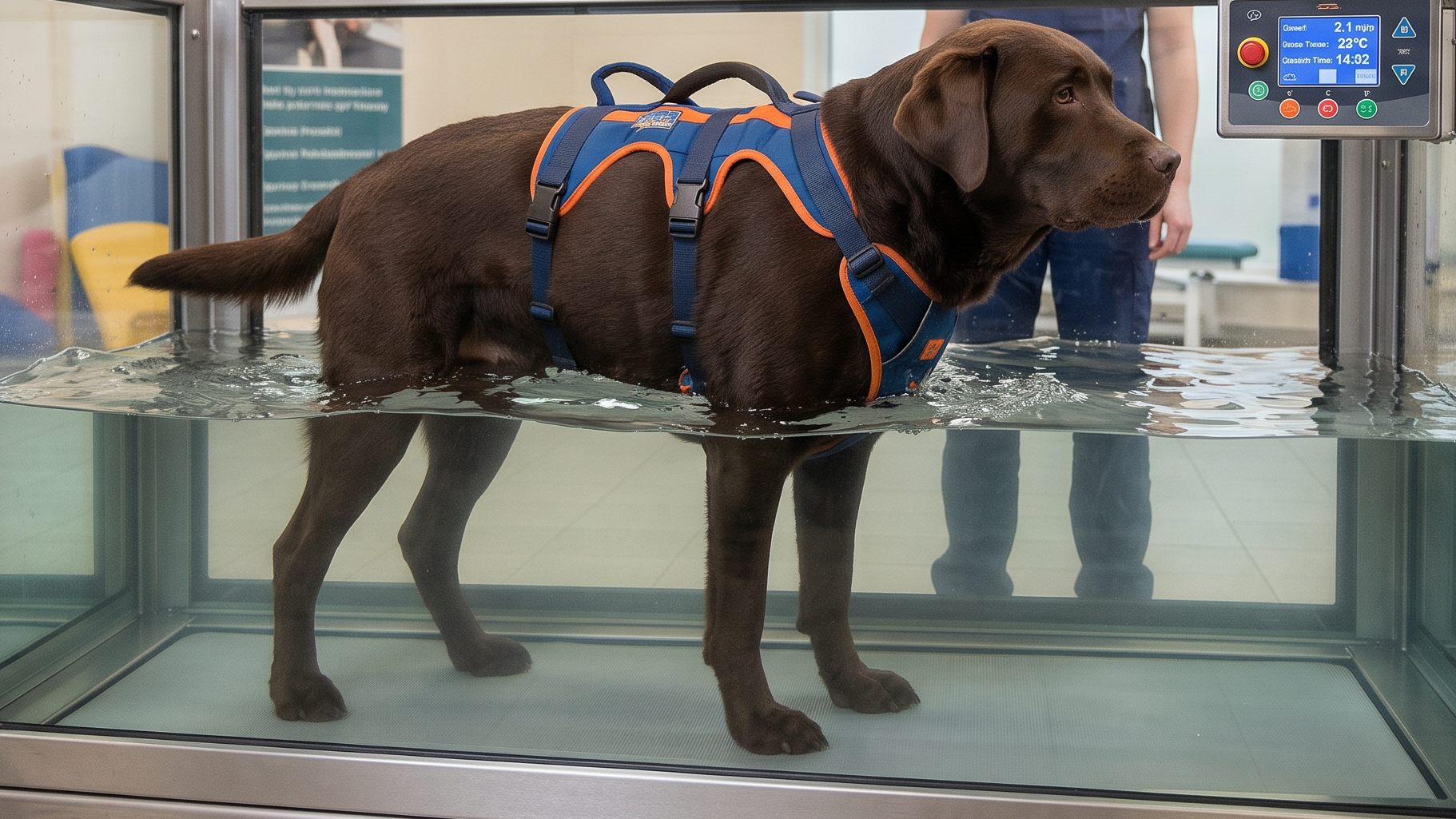
Veterinary physiotherapy is a rapidly growing field that offers veterinarians powerful tools to improve recovery, manage chronic disease, and enhance performance in dogs. Evidence shows…

Horses are intelligent, social, and highly active animals. In the wild, they roam vast distances, graze for up to 18 hours a day, and live…
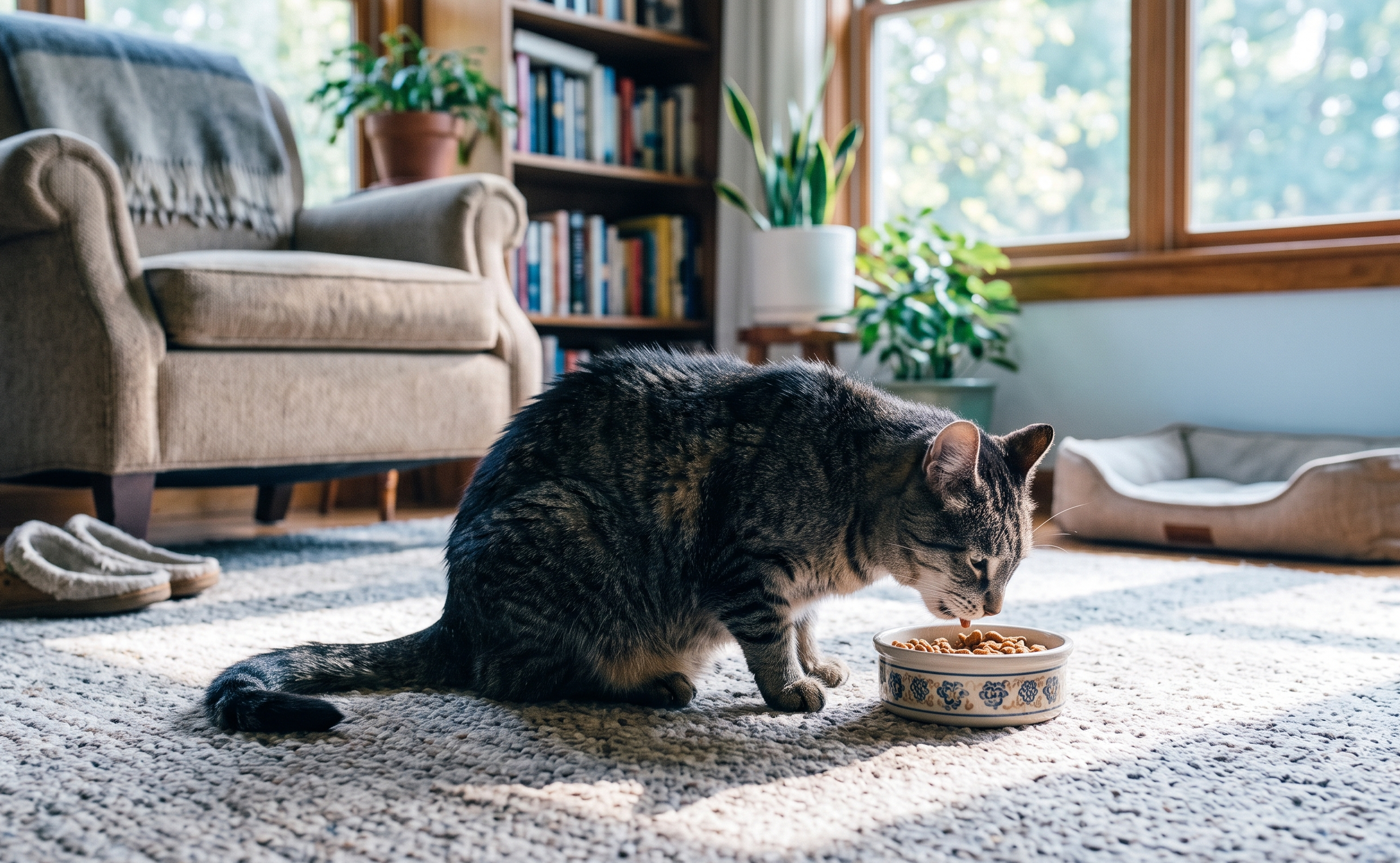
An emerging field gaining attention in both human and animal health is chrononutrition — the study of how the timing of meals interacts with the body’s internal…
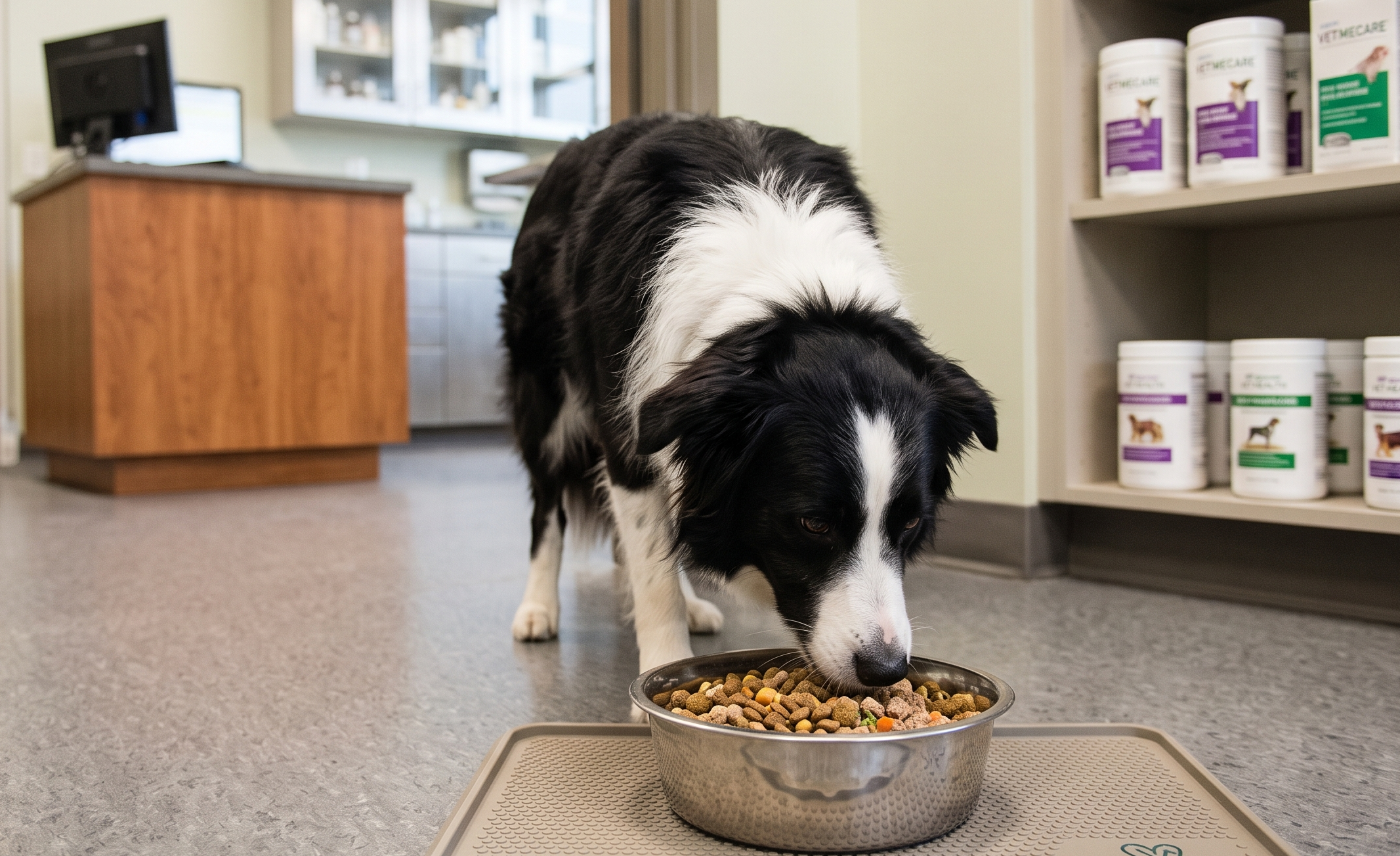
As veterinary professionals, we understand that nutrition is far more than just calories in and calories out. Emerging research into nutrient sensing — the biological processes…

As healthcare providers for animals, veterinarians have a unique opportunity to lead by example when it comes to protecting the planet. After all, a healthier…
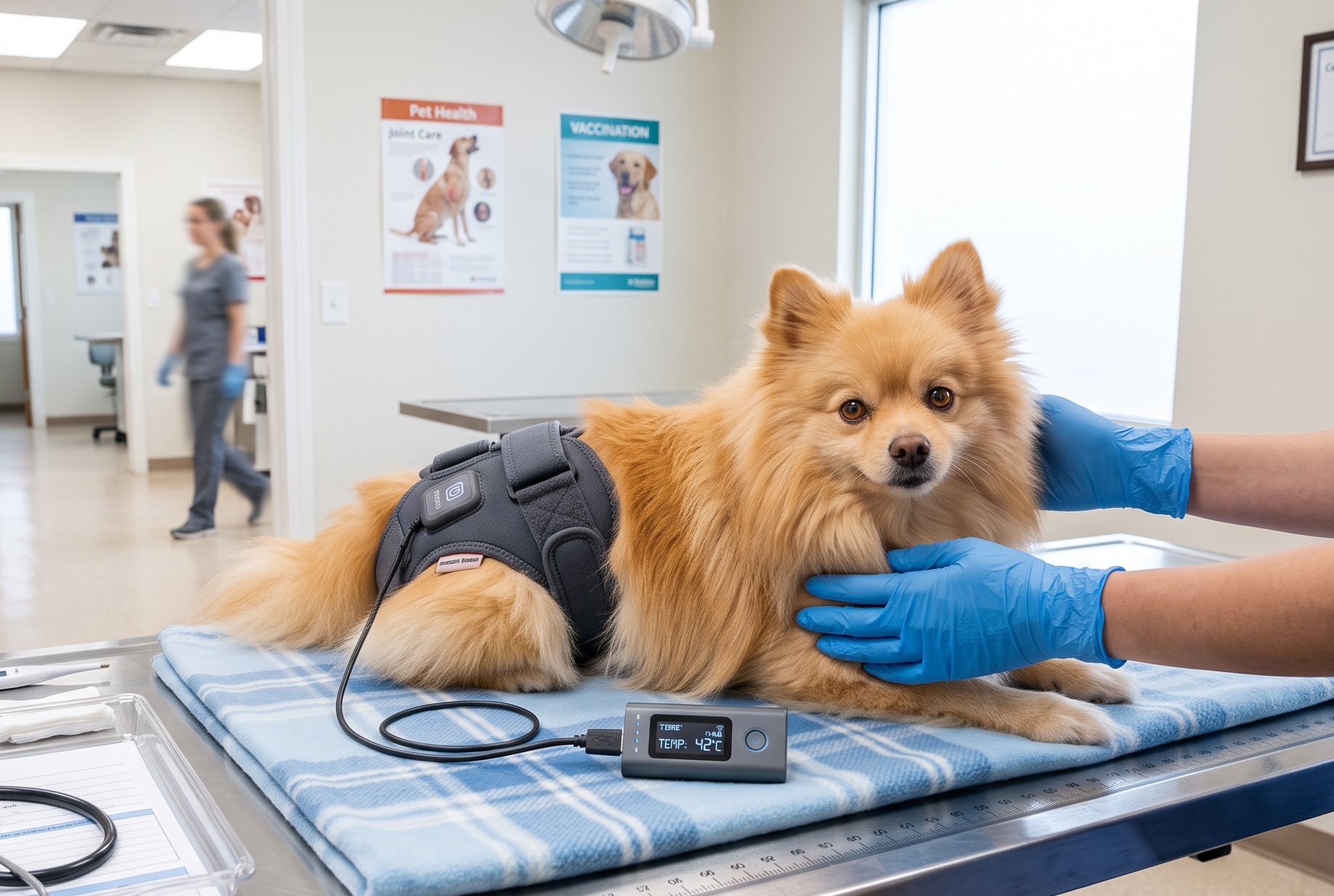
Many veterinary professionals look for safe, effective, and non-invasive complementary and alternative ways to help patients feel better and heal faster. Heat therapy, also known…
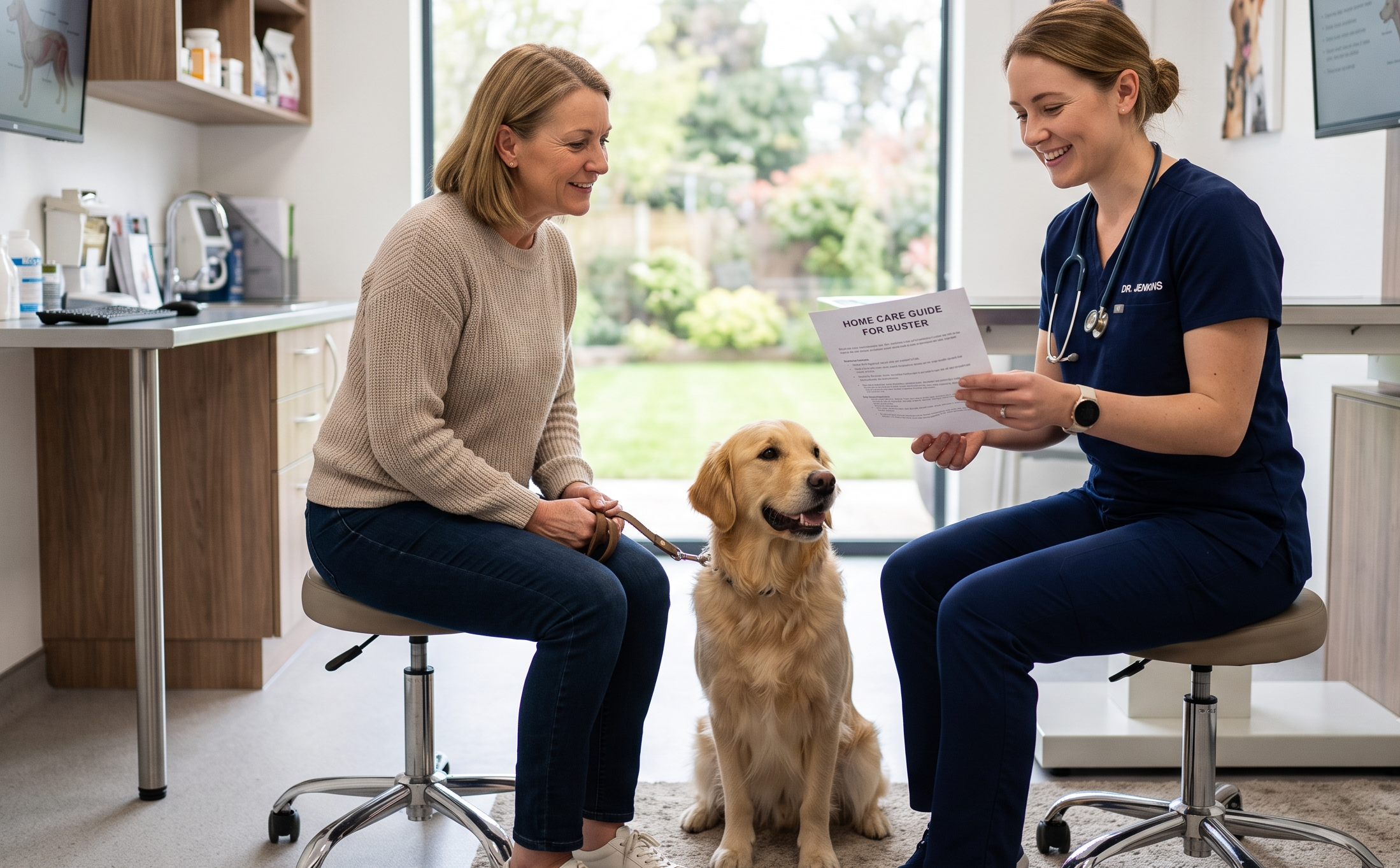
Veterinary professionals know that the best treatment plan in the world only works if the client follows through at home. Client compliance is one of…

Measure key nutrient levels with nutritional testing for dogs and cats to guide proactive dietary interventions. Despite best efforts, dietary adequacy is often assumed rather…
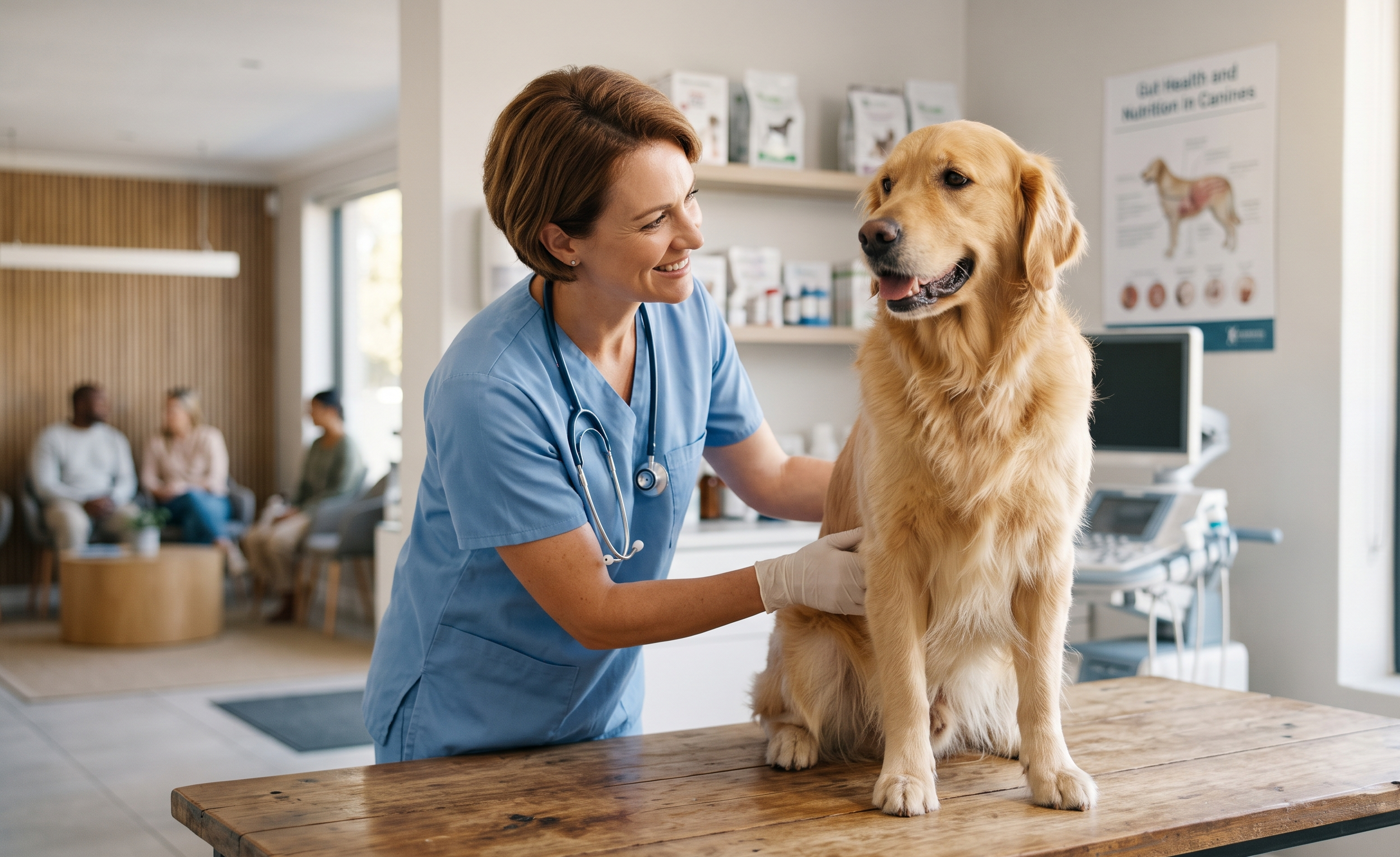
Veterinary professionals have long recognized the importance of gut health in our canine patients. Yet, for years, our understanding of the canine gut microbiome has…

As antibiotic resistance continues to rise across both human and veterinary medicine, the search for effective alternatives has never been more urgent. One exciting area…
Please confirm you want to block this member.
You will no longer be able to:
Please note: This action will also remove this member from your connections and send a report to the site admin. Please allow a few minutes for this process to complete.
