
Fall can stir up stress for your pets without warning. You might notice your dog acting anxious or your cat seeming unsettled as the seasons shift. Building a calm pet routine now helps prevent seasonal stress in pets before it takes hold. In this post, you’ll learn simple autumn pet care tips to keep your animals steady and happy all season long. Check out these tips to get started.
Establishing a Calm Pet Routine
Creating a consistent routine for your pets in the fall can ease their transition into the season’s changes. Let’s explore how you can make your pet feel more at ease during this time.
Practical Autumn Pet Care Tips
Start by adjusting your pet’s schedule gradually. Dogs and cats thrive on routine. By walking your dog at the same time each day or maintaining regular feeding times, you help them feel secure. For cats, setting up a cozy spot with their favorite blanket can provide comfort.
Nutrition is equally important. As the weather cools, you might need to tweak feeding to match your pet’s energy levels. This could mean adding a bit more food or switching to a nutrient-rich formula. Remember, hydration is key too, so ensure they have access to fresh water at all times.
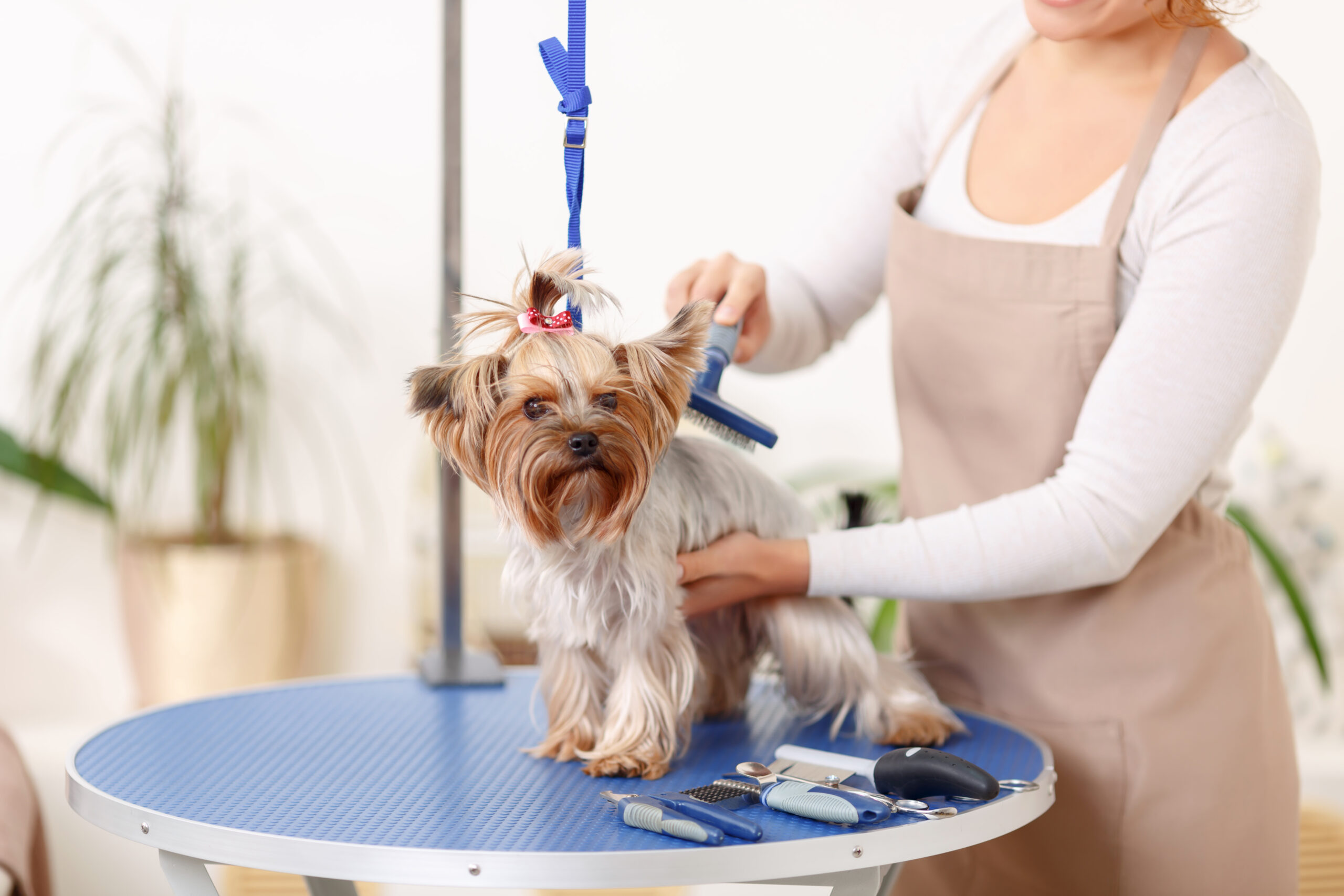
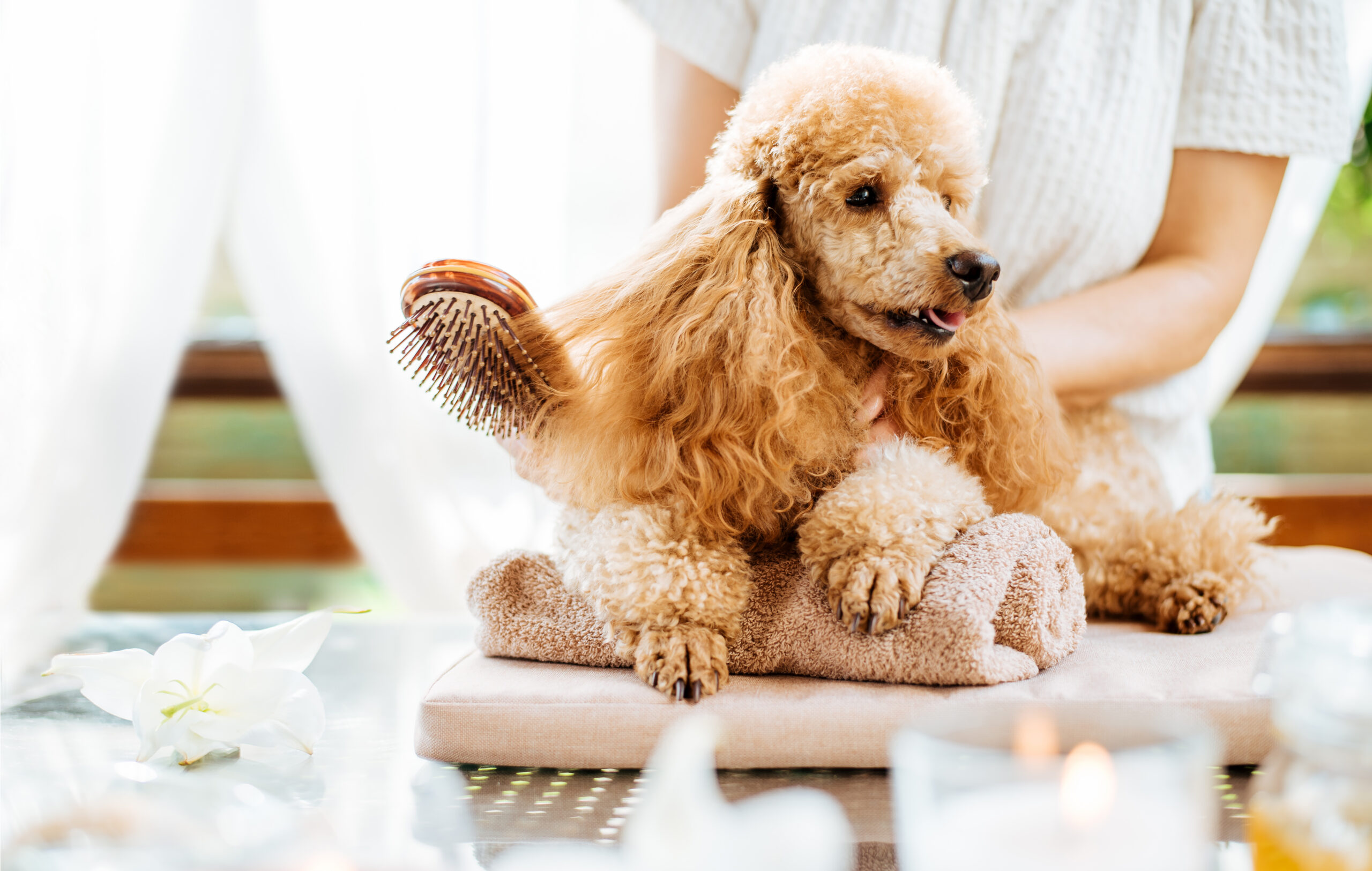
Keep an eye on their sleep environment. As temperatures drop, a warmer bed or blanket can make a big difference in comfort. Regular grooming also helps, as a clean coat is better insulated. Consider using natural shampoos that are gentle on their skin.
Managing Dog Anxiety in Fall
Dogs often pick up on changes in the environment, which can make them anxious. To manage this, offer them plenty of exercise. A tired dog is a calm dog. Play fetch in the yard or take long walks to burn off excess energy.
Use calming tools if needed. Items like anxiety vests or pheromone diffusers can soothe anxious pups. If your dog shows signs of stress like excessive barking or pacing, these can be effective.
Training sessions can also distract and calm your dog. Basic commands or new tricks keep their mind engaged, reducing anxiety. Keep sessions short and reward them with treats for positive reinforcement.
Reducing Cat Stress During Fall
Cats may show stress through hiding or changes in behavior. To reduce this, create a quiet, safe space for them. A spot with less foot traffic and their favorite toys can be comforting.
Interactive play is essential. Use toys like feather wands or laser pointers to engage them. This not only reduces stress but also provides exercise.
Maintain their routine. If you usually play or feed at a certain time, stick to it. Consistency helps cats feel secure. If you notice changes in appetite or litter box habits, consult your vet to rule out health issues.
Holistic Strategies for Seasonal Stress
To support your pet through seasonal stress, consider holistic approaches. These natural methods can complement traditional care and enhance their well-being.
Natural Stress Relief for Pets
Herbal supplements like chamomile or valerian root can naturally calm pets. Always check with your vet before introducing new supplements to ensure safety and proper dosage.
Consider aromatherapy. Scents like lavender can have a calming effect on pets. Use essential oils with caution, ensuring they are pet-safe and diluted properly.
Massage is another option. Gentle pet massage can relax tense muscles and soothe anxiety. Focus on areas like the neck and back, using slow, gentle strokes.
Preventative Pet Care Techniques
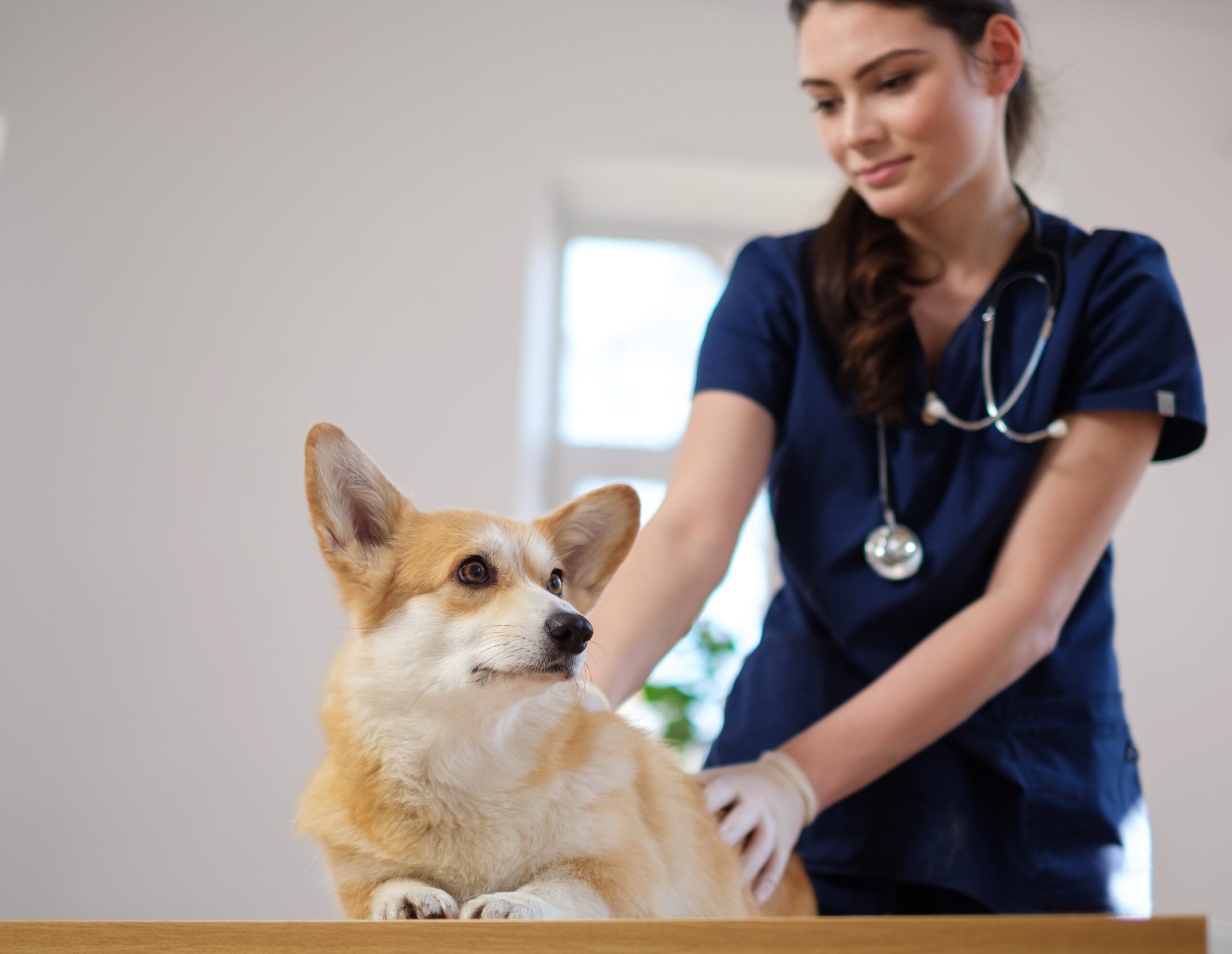
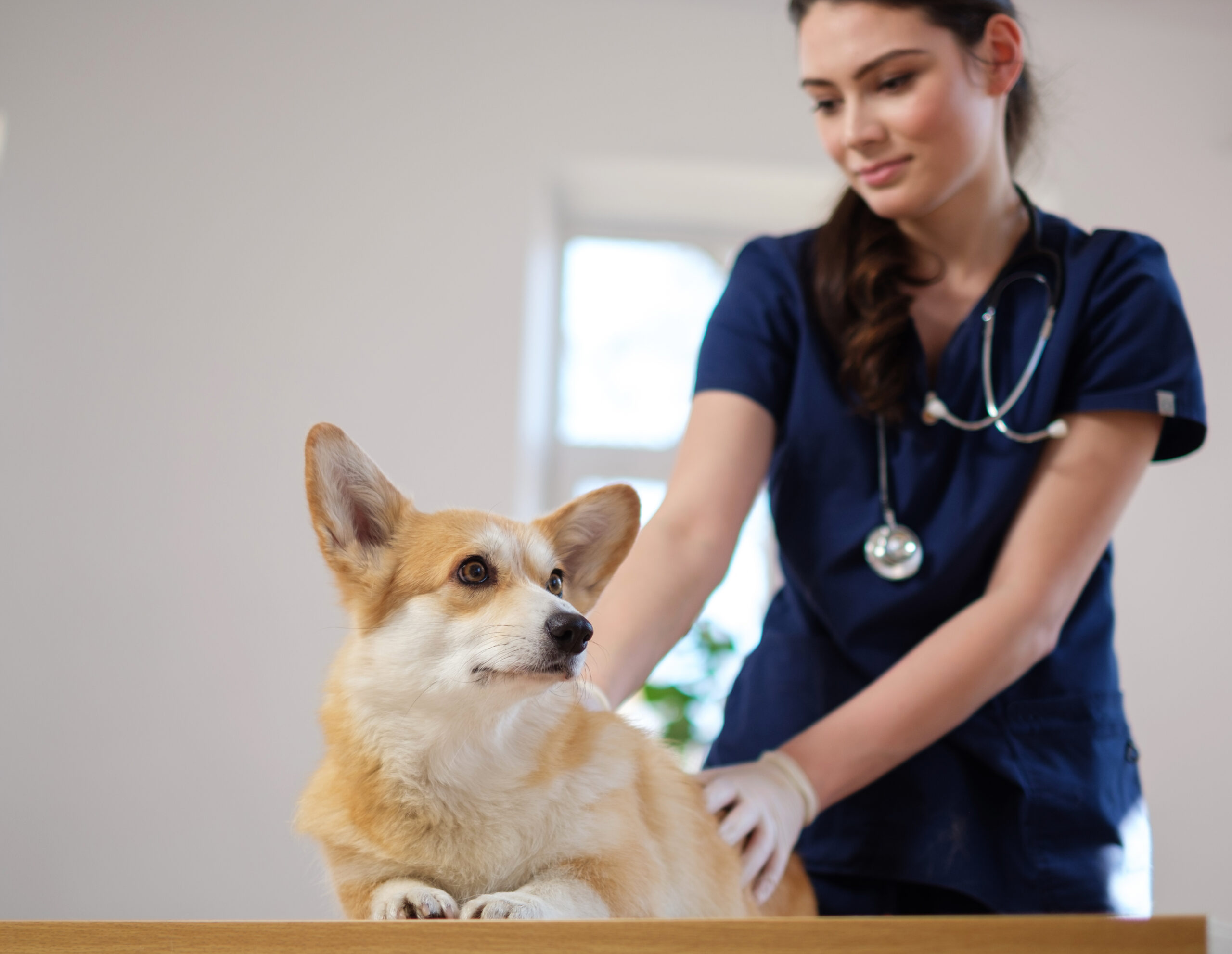
Prevention is key to a stress-free season. Regular veterinary check-ups can catch potential issues early. Discuss with your vet any concerns about seasonal allergies or joint pain.
Vaccinations and flea treatments should be updated. These preventative measures protect your pet from common fall ailments. Additionally, keeping your pet’s environment clean can prevent illnesses.
Incorporate mental stimulation. Puzzle toys or treat-dispensing toys keep their mind active and reduce stress. This is particularly important on days when outdoor play isn’t possible.
Cold Weather Pet Care Essentials
As fall transitions to winter, cold weather care becomes crucial. Invest in pet sweaters or jackets for dogs that are less tolerant to cold. This is especially important for short-haired breeds.
Ensure your pet’s sleeping area is cozy. A heated pet bed or insulated sleeping area can provide warmth during chilly nights. Check that their bed isn’t in a drafty area.
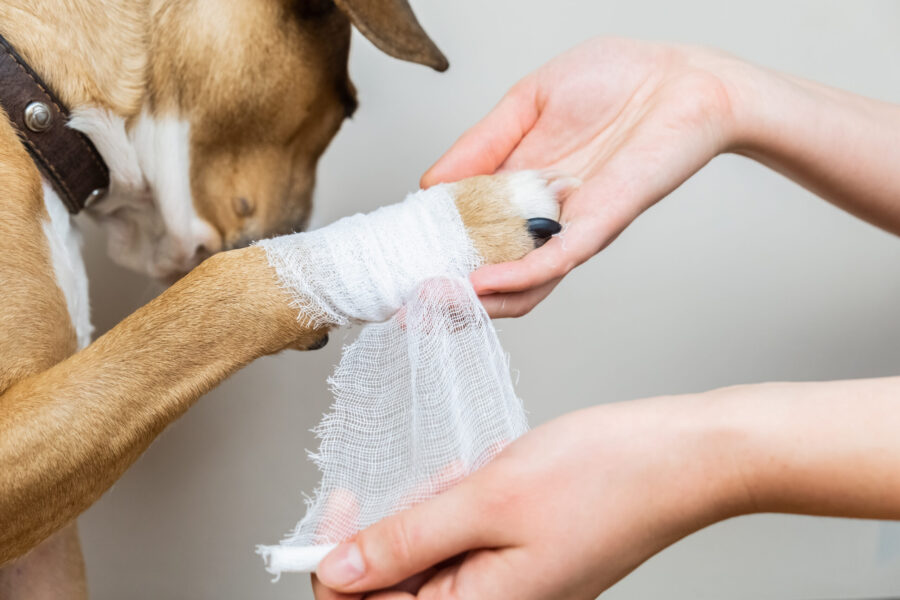
Monitor outdoor time. Shorten walks during cold snaps to prevent exposure to extreme temperatures. Always check their paws for ice or salt after being outside.
Enhancing Pet Care Knowledge
Expanding your knowledge on pet care can greatly benefit your pet’s well-being. Let’s look at how learning opportunities can empower you as a pet owner or professional.
Benefits of Pet Wellness Courses
Pet wellness courses offer valuable insights into animal care. These courses cover everything from nutrition to behavior, providing a comprehensive understanding of pet health.
Learning from experts can boost your confidence in caring for your pet. Courses often feature leading veterinarians sharing the latest in holistic and preventative care.
Many courses are online and flexible, allowing you to learn at your own pace. This convenience means you can fit learning into your busy schedule easily.
Animal Wellness Certification Opportunities
Certifications can enhance your credibility as a pet owner or professional. They showcase your commitment to high-quality pet care and can open doors to new opportunities.
Courses often offer certifications upon completion, which can be shared with potential employers or clients. This is especially beneficial for those in the pet care industry.
By earning certifications, you not only improve your skills but also contribute positively to the animal welfare community. It’s a win-win for both you and the pets you care for.
Micro-Credentials in Pet Care Education
Micro-credentials are a quick way to gain specialized knowledge in specific areas of pet care. They focus on targeted skills, making learning efficient and practical.
These credentials are ideal for busy individuals seeking to enhance their skills without committing to lengthy courses. They provide immediate, actionable insights.
Pursuing micro-credentials shows a dedication to continuous learning. This proactive approach is beneficial for both personal growth and career advancement in animal wellness.
Frequently Asked Questions
What are effective ways to calm a stressed pet during fall?
Interactive play and maintaining a consistent routine are key. For dogs, exercise and training sessions can help, while cats benefit from a quiet space and regular playtime.
How can I prepare my pet for colder weather?
Invest in pet clothing like sweaters and ensure their sleeping area is warm. Limit outdoor time during extreme cold and check paws for ice or salt after walks.
Are there natural remedies for pet anxiety?
Yes, herbal supplements and aromatherapy can help. Always consult your vet before using new remedies to ensure they’re safe for your pet.
What are the benefits of enrolling in pet wellness courses?
These courses provide comprehensive insights into pet care, boosting your confidence and skills. They often feature expert-led content and flexible learning options.
Why should I consider micro-credentials in pet care?
Micro-credentials offer targeted learning in specific areas, making them efficient for busy individuals. They enhance your skills and demonstrate a commitment to ongoing education.