
Bringing home a hairless dog or cat means something different than “no grooming ever.” In fact, pets without fur come with their own unique checklist of needs. If you’re considering a pet with minimal or no coat, this guide will walk you through the top breeds, what makes them special, and what to expect.
Why Choose a Hairless Breed?
Hairless dog and cat breeds attract attention for their elegant look and allergy-friendly reputation. Some owners love the idea of less shedding, while others enjoy their affectionate, people-oriented nature. However, “hairless” doesn’t mean “low maintenance.” These pets require extra care for their skin, sun protection, and comfort.
Top Hairless Dog Breeds
American Hairless Terrier
The American Hairless Terrier is a lively and clever breed originally developed from Rat Terriers. These small dogs, weighing up to 15 pounds, are great companions for allergy sufferers since they shed very little. Born with hair that falls out within a few weeks, they require regular baths to remove excess oils and prevent skin irritation. They love to dig, explore, and play, so daily exercise and mental stimulation are a must.
Chinese Crested
The Chinese Crested dog comes in two versions: hairless and powderpuff. The hairless variety has silky tufts of hair on its head, feet, and tail, and weighs around 10 pounds. Despite their delicate appearance, they’re playful climbers and love to stay close to their humans. Their skin is sensitive and prone to sunburn, so gentle shampoo, moisturizer, and sunscreen are essential. Dental issues are common, so skip hard chew toys and stick with soft treats.
Xoloitzcuintli (Mexican Hairless Dog)
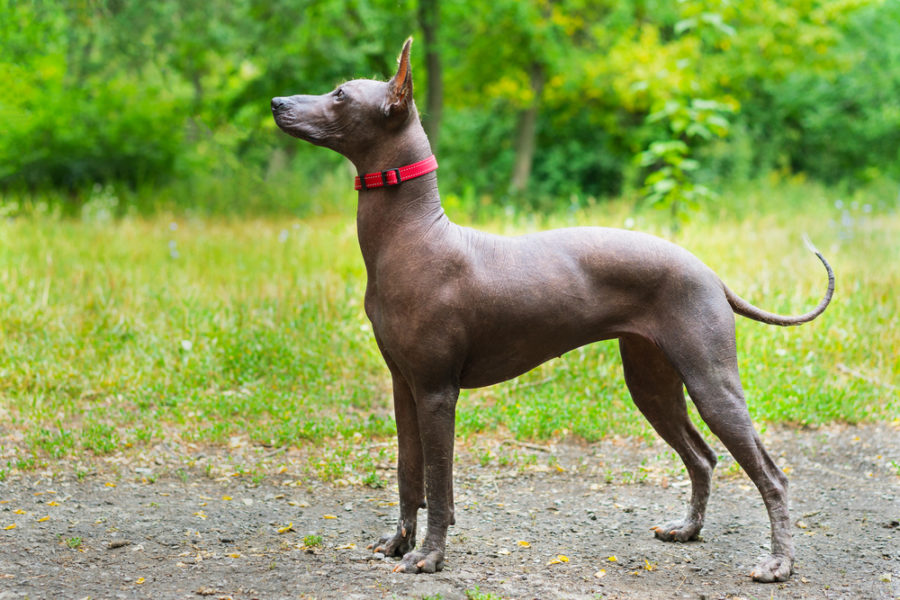
The Xoloitzcuintli, also called the Mexican Hairless Dog, is one of the world’s oldest breeds. It comes in toy, miniature, and standard sizes, ranging from under 10 to 40 pounds. Known for their loyalty, warmth, and intelligence, Xolos often bond deeply with their families and are sometimes called “Velcro dogs.” They thrive on structure, positive reinforcement, and gentle training. Over-bathing isn’t needed—just keep their natural skin oils balanced and use sunscreen when outside. A well-cared-for Xolo can live up to 20 years.
Peruvian Inca Orchid
A rare and elegant breed, the Peruvian Inca Orchid stands out for its graceful build and unique history. Sensitive to sunlight, these dogs need indoor shelter during the day and protective clothing or sunscreen when outdoors. They’re affectionate, intelligent, and deeply connected to their owners—perfect for people who appreciate a dog that’s both ancient and unusual.
Top Hairless and Nearly Hairless Cat Breeds
Sphynx
The Sphynx cat is famous for its warm, soft, and wrinkled skin. Playful and affectionate, this breed loves being the center of attention and staying close to its humans. Because they lack fur, Sphynx cats lose heat quickly and need cozy beds, blankets, or even sweaters in cooler weather. Bathing once a week helps remove oils that would normally be absorbed by fur, and ear cleaning should be part of the routine. These cats do best indoors, as sun exposure can cause burns or skin cancer.
Other Hairless Cat Breeds
If you love the look of hairless cats but want a slight touch of fur, consider breeds like the Donskoy or Peterbald, which can have varying degrees of fuzz. The Cornish Rex and Devon Rex are also great options, sporting soft, wavy coats that feel like velvet. These breeds share the same curious, social nature as the Sphynx and are known for their clown-like personalities.
Special Care Tips for Hairless Pets
Skin and Sun Protection
Without fur, hairless dogs and cats are more vulnerable to sunburn and skin irritation. Use pet-safe sunscreen, limit sun exposure, and provide shade during outdoor activities. Regular baths remove sweat and dirt buildup while keeping skin healthy.
Temperature and Comfort
Hairless breeds feel the cold easily. Keep them indoors during chilly weather, and use soft sweaters or heated beds to maintain warmth. In summer, ensure they have a cool place to rest and plenty of water.
Grooming and Hygiene
Although they lack fur, hairless pets still need consistent grooming. Bathing, nail trimming, ear cleaning, and gentle skin care are essential. Avoid harsh soaps or lotions—stick to mild, pet-friendly products recommended by your vet.
Behavior and Bonding
Hairless pets are affectionate, people-focused, and intelligent. They form deep bonds with their families and love attention. However, they can develop separation anxiety if left alone too long. Daily exercise, play, and interaction keep them happy and balanced.
Pros and Cons of Owning a Hairless Pet
Pros:
- Minimal shedding and easier cleanup
- Hypoallergenic potential (less dander in the air)
- Unique appearance and strong human connection
- Great indoor companions
Cons:
- Extra skin care, sun protection, and bathing needs
- Prone to cold, rashes, and sunburn
- Some breeds have dental or genetic health issues
- Require constant attention and social interaction
Choosing the Right Hairless Breed
Before adopting a hairless pet, consider your lifestyle. Do you live in a warm, safe indoor space? Are you comfortable with regular skin care and grooming routines? Hairless dogs and cats can be incredibly rewarding companions, but they require commitment. Research breeders, visit rescues, and spend time with the breed before making a decision.
FAQs About Hairless Dogs and Cats
1. Are hairless pets hypoallergenic?
Not completely. Allergies usually come from pet dander and saliva, not just fur. Hairless breeds may cause fewer reactions, but sensitive individuals should still spend time with the animal before adopting.
2. How often should I bathe a hairless dog or cat?
Once a week or as needed. Skin oils build up faster without fur, leading to irritation if not cleaned regularly.
3. Do hairless pets get cold easily?
Yes. Without fur, they lose body heat quickly. Keep them indoors, provide warm clothing or blankets, and avoid exposing them to extreme temperatures.
4. Can I use regular sunscreen on my hairless pet?
No. Only use pet-safe sunscreen recommended by a veterinarian. Human products may contain harmful chemicals if licked.
5. Do hairless breeds live as long as other pets?
Yes, many hairless dogs and cats live long, healthy lives with proper care. Some breeds, like the Xoloitzcuintli, can live up to 20 years.
6. What’s the best environment for a hairless pet?
A stable, indoor setting with temperature control and protection from sun and wind is ideal.
7. Are hairless pets high-maintenance?
They can be. While they don’t shed, they do need more frequent bathing, moisturizing, and temperature management than furry breeds.
Conclusion
Hairless dogs and cats are unique, intelligent, and affectionate companions. They may not have fur, but they have plenty of personality and warmth to give. If you’re ready to meet their needs—skin care, warmth, and attention—they’ll reward you with endless love and loyalty. Hairless doesn’t mean carefree, but it does mean unforgettable.