
Just like humans, dogs can experience posture problems that may need correction! While we often think about posture as a human concern, our canine companions can also develop issues with how they hold and position their bodies. Understanding what causes these problems and how to address them can help keep your dog comfortable and healthy.
Common Causes of Posture Problems
Spinal Disc Issues One of the most frequent causes of posture problems in dogs is intervertebral disc disease (IVDD). This condition occurs when the cushioning discs between the vertebrae in your dog’s spine break down or become damaged. When this happens, dogs may stand in a hunched position, avoid turning their head in certain directions, or walk with an unusual gait. Breeds like Dachshunds, Beagles, and German Shepherd Dogs are especially prone to this condition.
Pain and Discomfort Dogs experiencing back or neck pain will naturally adjust their posture to minimize discomfort. You might notice your dog standing stiffly, refusing to sit or lie down normally, or holding their head at an unusual angle. They may also be reluctant to climb stairs or jump onto furniture they previously had no trouble accessing.
Muscle Weakness or Injury Injuries to muscles, ligaments, or bones can cause dogs to compensate by shifting their weight differently, leading to poor posture. Senior dogs may also develop muscle weakness that affects how they stand and move.
Neurological Issues Problems with the nervous system can impact your dog’s ability to maintain proper posture. You might see your dog walking with dragging toenails, tripping frequently, or having difficulty coordinating their movements.
How to Address Posture Problems
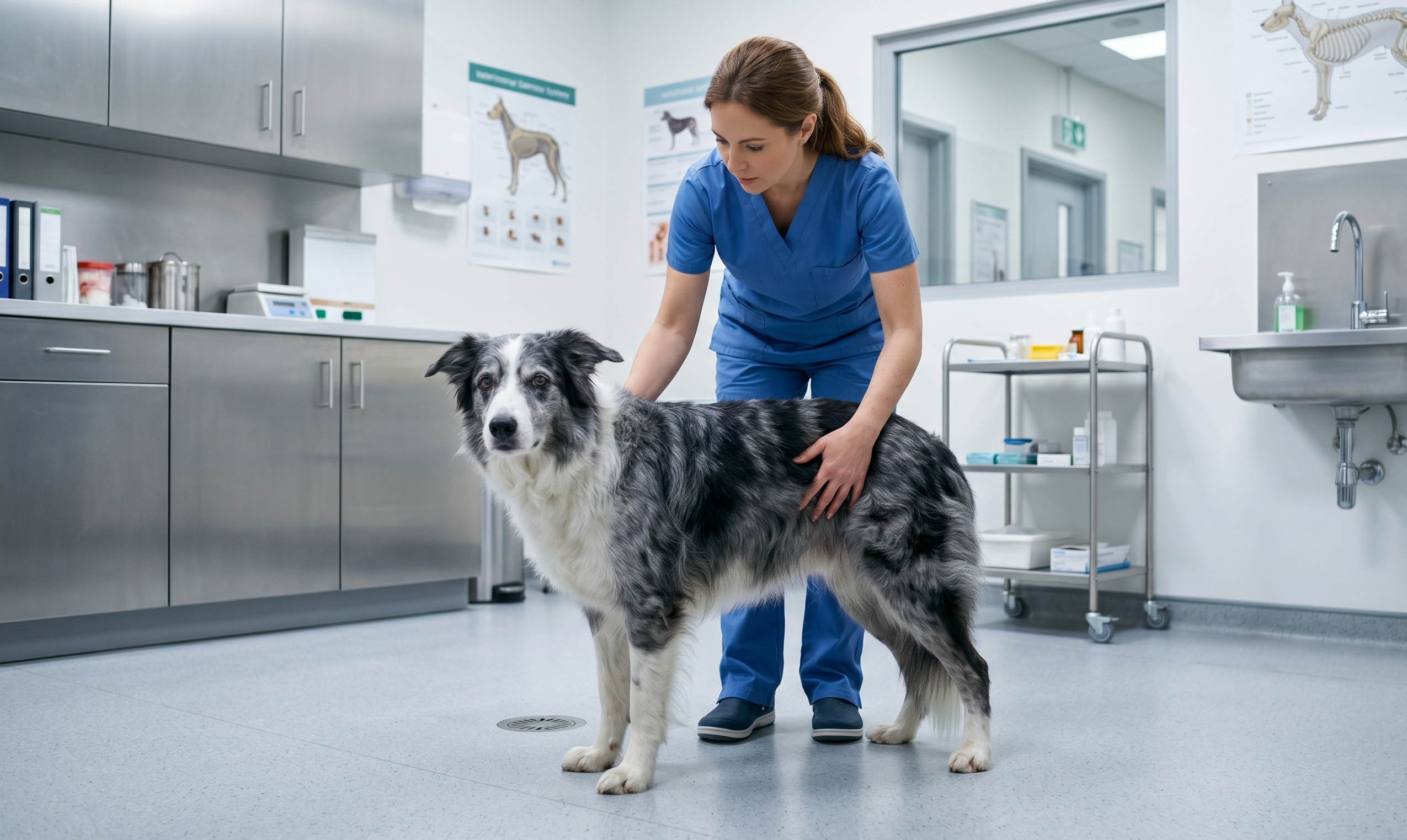
Veterinary Examination The first and most important step is scheduling an appointment with your veterinarian. They can perform a thorough physical examination and potentially recommend X-rays or advanced imaging like an MRI to determine the underlying cause. Don’t wait if your dog shows severe symptoms like inability to move their legs or signs of significant pain.
Medical Management For many dogs, treatment may include anti-inflammatory medications, pain relievers, and strict rest. This typically means limiting your dog’s activity significantly for several weeks—no running, jumping, or rough play. Think of it as giving your dog’s body time to heal properly.
Weight Management Keeping your dog at a healthy weight reduces stress on their spine and joints. Extra pounds mean extra pressure on an already compromised back, making posture problems worse.
Physical Therapy and Rehabilitation Some dogs benefit from professional rehabilitation services, which might include underwater treadmill work, laser therapy, or prescribed exercises. These treatments can help strengthen muscles and improve mobility.
Environmental Modifications Make life easier for your dog by minimizing stairs, providing ramps for furniture access, and using raised food and water bowls so they don’t have to bend down uncomfortably. Consider using supportive bedding that cushions their joints.
Preventive Measures Prevention is always better than treatment. Keep your dog fit through regular, appropriate exercise like walking. Avoid activities that put excessive strain on the spine, such as repeated jumping or playing on hard surfaces.
Remember, posture problems can indicate serious underlying health issues. While some adjustments at home can help, professional veterinary care is essential for proper diagnosis and treatment. If you notice your dog standing differently, moving stiffly, or showing signs of discomfort, don’t hesitate to contact your veterinarian right away. Early intervention often leads to better outcomes and keeps your furry family member comfortable and active for years to come.