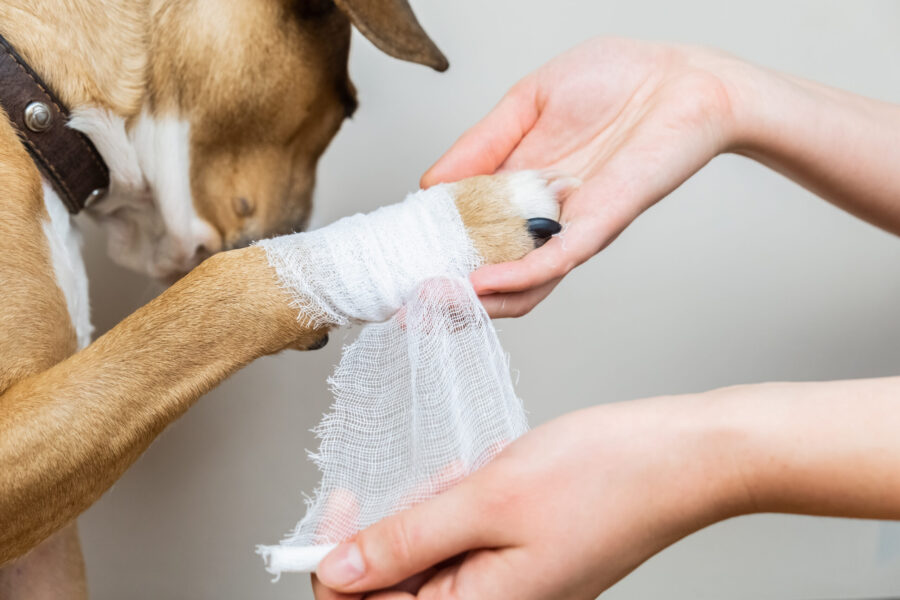

Hot and cold therapy is a simple yet powerful tool that can help your canine companion feel better in many situations. This approach, also called thermotherapy, uses temperature to reduce pain, decrease swelling, and speed up healing. Understanding when to apply heat versus cold can make a real difference in your dog’s comfort and recovery.
Cold Therapy: When and Why
Cold therapy works by reducing blood flow to a specific area, which helps decrease inflammation and numb pain. You should use cold therapy for:
Acute Injuries: If your dog just twisted a leg, bumped into something, or experienced any sudden injury, cold is your first choice. Apply it within the first 24-48 hours after the injury occurs.
Swelling and Inflammation: Cold packs help bring down puffy, swollen areas by constricting blood vessels and reducing fluid buildup in tissues.
After Exercise or Physical Therapy: If your dog has arthritis or joint problems and just finished exercising, cold therapy can prevent inflammation from flaring up.
To apply cold therapy safely, wrap ice packs or frozen vegetables in a thin towel and place them on the affected area for 10-15 minutes at a time. Never put ice directly on your dog’s skin, as this can cause frostbite or damage.
Heat Therapy: When and Why
Heat therapy does the opposite of cold—it increases blood flow to help relax muscles, reduce stiffness, and promote healing. Use heat therapy for:
Chronic Pain and Stiffness: Dogs with arthritis or long-term joint problems often benefit from heat before activity. It loosens up stiff joints and makes movement easier.
Muscle Tension: If your dog seems tense or has tight muscles from overuse, gentle heat can provide relief.
Before Exercise: Applying warmth to arthritic joints before walks can improve your dog’s mobility and comfort.
Use a warm (not hot) compress, heating pad on low setting, or warm water bottle wrapped in a towel. Apply for 10-15 minutes, and always supervise your dog during treatment. Make sure the temperature is comfortable—if it feels too hot for your skin, it’s too hot for your dog.
Important Safety Guidelines
Never use heat on a fresh injury, as it will increase swelling. Similarly, avoid cold therapy for chronic conditions without inflammation. Always place a barrier between the heat or cold source and your dog’s skin.
While hot and cold therapy can be helpful, these techniques shouldn’t replace professional veterinary care. If your dog shows signs of pain, limping, or injury, contact your veterinarian for a proper examination and treatment plan. They can guide you on whether thermotherapy is appropriate for your dog’s specific situation and show you the best techniques to use safely.