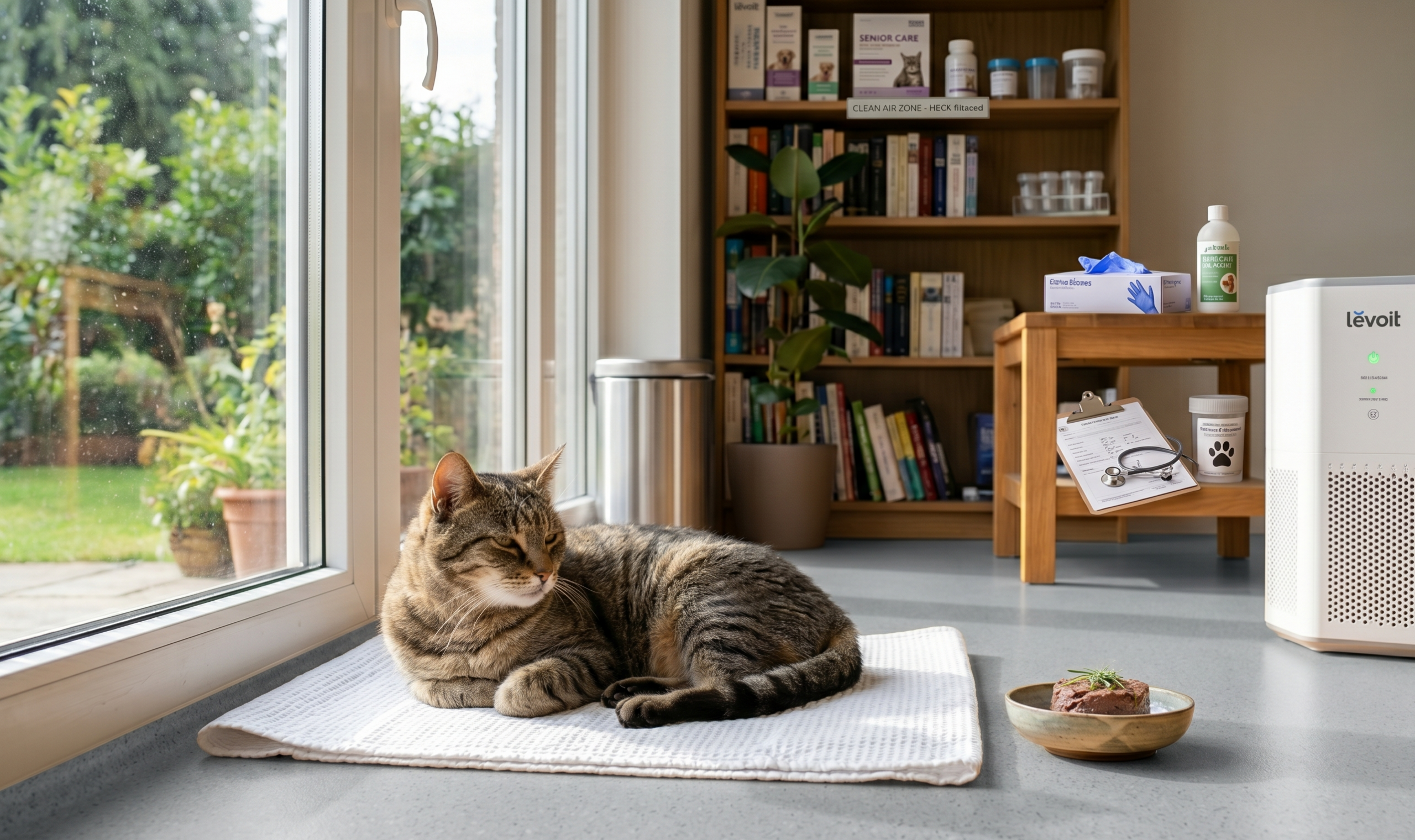
Comprehensive veterinary strategies for managing chronic bronchitis in senior cats combine targeted nutrition, environmental optimization, and integrative therapies to support respiratory health.
Chronic bronchitis is an inflammatory condition of the lower airways, typically affecting middle-aged to older cats. It’s characterized by a persistent cough lasting more than two months, often accompanied by wheezing, labored breathing, and reduced activity. While conventional veterinary care focuses on bronchodilators and corticosteroids to reduce airway inflammation, an integrative approach combining conventional medicine with nutritional, environmental, and holistic strategies can greatly improve the cat’s quality of life and reduce the frequency of flare-ups.
In senior cats, chronic bronchitis rarely has a single cause. Instead, it is often the cumulative result of immune deregulation, chronic inflammation, nutritional deficiencies, environmental triggers, and microbial imbalance. Addressing these underlying issues provides a far more sustainable path toward long-term respiratory health.
Environmental factors: mold exposure and allergens
One of the most overlooked triggers for feline bronchitis is chronic mold exposure. Cats are close to the ground, where spores accumulate in carpets, litter boxes, and damp corners. Molds such as Aspergillus and Cladosporium release volatile organic compounds (VOCs) and mycotoxins that irritate delicate airway tissues. Over time, low-grade inhalation of these spores can prime the immune system into a hyperreactive state, leading to persistent coughing and mucus production. Simple interventions can help:
- Air purification: HEPA and activated charcoal filters reduce airborne spores and fine particulates.
- Humidity control: Keeping household humidity below 50% discourages mold growth.
- Litter choices: Unscented, low-dust litters, particularly natural alternatives like paper pellets or pine, reduce respiratory irritation.
- Home inspection: Leaks, damp garages, or poorly ventilated bathrooms can be hidden mold sources worth remediating.
Allergies to dust mites, pollen, cleaning agents, or even human fragrances can further compound airway inflammation. Using unscented detergents, natural cleaning products, and maintaining a dust-free sleeping area can make a significant difference for sensitive cats.
The role of systemic inflammation and diet
At the core of most chronic diseases, including bronchitis, is systemic inflammation. In cats, inflammation is often driven by inappropriate nutrition. As obligate carnivores, cats are metabolically designed to derive energy from protein and fat, not carbohydrates. Yet many commercial diets, especially dry kibble, contain 30% to 60% carbohydrates in the form of wheat, corn, soy, or gluten.
- High-carbohydrate diets and the inflammatory cascade
When a cat consumes carbohydrates, excess glucose leads to glycation, the binding of sugars to proteins and fats, forming advanced glycation end-products (AGEs). AGEs trigger oxidative stress and systemic inflammation, including within airway tissues. Additionally, plant-based proteins from grains lack the full amino acid profile cats need for tissue repair, leading to chronic immune stress.
A diet high in wheat and corn also promotes insulin resistance, weight gain, and oxidative damage to lung tissues.
Cats with even mild obesity show reduced respiratory capacity and increased airway inflammation.
- Key nutrient deficiencies
Senior cats often develop nutritional deficiencies that exacerbate bronchial inflammation and impair immune response.
- Zinc: Essential for immune regulation and epithelial tissue repair. Low zinc levels are linked to poor mucosal defense, increasing susceptibility to respiratory infections.
- Calcium and phosphorus: Imbalances affect muscle contractility, including the muscles responsible for breathing.
- Essential fatty acids (EFAs): Omega-3 fatty acids (EPA and DHA) from marine sources help reduce inflammatory cytokine production. Cats fed diets low in these EFAs exhibit more severe airway inflammation.
- B vitamins: B6, B12, and folate in particular support red blood cell production, methylation, and nerve function. Deficiencies can weaken the respiratory musculature and immune resilience.
- Transitioning to a meat-based, low-inflammatory diet
An integrative approach prioritizes species-appropriate nutrition:
- Choose high-protein, grain-free diets with real meat as the first ingredient.
- Incorporate wet food or raw formulations to increase hydration, reduce mucus viscosity, and support kidney function.
- Supplement with fish oil such as NZ wild caught salmon or algae-based Omega-3 sources to modulate inflammation.
- Consider zinc, taurine and B complex supplementation; clients should do so under veterinary guidance.
This nutritional foundation can reduce systemic inflammation within weeks, often correlating with decreased coughing frequency and improved breathing effort.
Addressing systemic inflammation for lung healing
Chronic bronchitis is more than a localized airway issue; it is an expression of whole body inflammation. By addressing systemic inflammatory drivers, we promote natural healing and reduce reliance on corticosteroids. An integrative plan may include:
- Antioxidants like vitamin E, C, and coenzyme Q10 to neutralize oxidative stress
- Anti-inflammatory herbs such as turmeric (in feline-safe dosages)
- Adequate hydration to keep airway secretions thin and easier to expel; avoid water with chlorine and fluoride, as well as milk
- Gentle exercise and environmental enrichment improve oxygenation and reduce stress hormones.
Reducing systemic inflammation enhances oxygen exchange, boosts immune function, and minimizes the frequency of bronchial flare-ups.
Superfoods for feline respiratory and immune health
Nature provides a remarkable array of superfoods that support immune balance, detoxification, and respiratory wellness. When used carefully in small, feline-appropriate doses, these can complement traditional treatments and dietary changes.
- Kelp: the mineral-rich marine healer
Kelp is a powerhouse of trace minerals including iodine, zinc, magnesium, and selenium, nutrients vital for immune health, thyroid function, and mucosal defense.
- Benefits for bronchitis: Selenium acts as a potent antioxidant, reducing oxidative stress within the lungs. Iodine supports mucous membrane function and helps dissolve thick respiratory secretions.
- Usage: Use veterinary-grade kelp powder sparingly (a pinch mixed into wet food daily). Excess iodine can over-activate the thyroid, so dosing should be conservative and guided by a veterinarian.
- Kiwi fruit extract: nature’s enzyme and vitamin boost
New Zealand’s native kiwifruit contains actinidin, a natural enzyme that aids protein digestion, and is rich in vitamin C, polyphenols and fiber. These compounds help reduce oxidative stress and support healthy gut flora.
- Benefits for the immune system: Vitamin C works synergistically with vitamin E to repair airway tissues and support white blood cell activity.
- Digestive connection: Improved protein digestion reduces antigenic load and systemic inflammation, indirectly benefiting the respiratory system.
- Administration: A drop of kiwifruit extract or a small portion of freeze-dried powder can be added to food several times a week.
- Berry extracts: potent antioxidants for lungs and immunity
Blueberries, blackcurrants, and cranberries contain anthocyanins, pigments with powerful anti-inflammatory and antioxidant properties.
- Lung health: Anthocyanins reduce oxidative damage to bronchial cells and improve capillary strength.
- Immune modulation: They balance immune responses, preventing the hyperreactivity that contributes to chronic bronchitis.
- Additional benefits: Cranberry extract supports urinary tract health, often a concurrent issue in aging cats.
Use freeze-dried berry powders or low-sugar extracts designed for pets, ensuring no xylitol or artificial sweeteners are present.
Integrating conventional and holistic care
An integrative plan doesn’t reject traditional veterinary medicine — it enhances it. Bronchodilators and corticosteroids have their place in acute management. However, by addressing nutrition, environment, and systemic health, we can often reduce medication dependency and pharmaceutical side effects and improve long-term outcomes.
For a senior cat with chronic bronchitis, a typical integrative management plan may include:
Environmental optimization – mold control, air filtration, and allergen reduction
Diagnostic screening – ruling out lungworm, heart disease, and infection
Nutritional correction – switching to a low-carbohydrate, high-protein, species-appropriate diet
Supplementation – Omega-3 EFAs, probiotics, zinc, and antioxidants
Superfood support – kelp, kiwifruit, and berry extracts for immune resilience
Holistic modalities – acupuncture, gentle massage, or laser therapy to improve circulation and reduce inflammation.
Parasitic triggers: lungworm
Lungworm (Aelurostrongylus abstrusus) infection is an often-overlooked cause of chronic cough in cats. The parasite migrates through the intestinal wall into the bloodstream and eventually the lungs, where it causes chronic inflammation, mucus buildup, and lung fibrosis. Even after successful treatment, residual scarring can leave the lungs hyperreactive.
Routine fecal testing or BAL bronchoalveolar lavage can help rule out lungworm in cases of chronic bronchitis. Integrative care involves supporting post-parasitic recovery with immune-modulating herbs and nutrient-rich diets that rebuild lung tissue integrity and reduce the inflammatory cascade.
The gut–lung axis: microbiome and immunity
The gut microbiome plays a profound role in regulating the immune system, including inflammation in distant organs such as the lungs. The gastrointestinal tract houses nearly 90% of the body’s immune cells. When the microbiome becomes imbalanced through poor diet, antibiotic use, or chronic stress, the result is increased intestinal permeability (“leaky gut”), which allows endotoxins to enter the bloodstream.
This systemic inflammatory response can heighten lung reactivity. Emerging research in both human and veterinary medicine supports the concept of the gut-lung axis: a bidirectional communication network where gut bacteria influence lung immunity and vice versa.
For senior cats with chronic bronchitis:
- Probiotics containing Lactobacillus, Enterococcus faecium, and Bifidobacterium species help restore microbial balance.
- Prebiotics such as inulin feed beneficial bacteria.
- Digestive enzymes support complete nutrient absorption, reducing immune stress from undigested proteins.
By restoring gut health, we reduce circulating inflammatory mediators that aggravate the bronchi. Many cats show improved respiratory comfort and coat condition after four to six weeks of consistent gut support.
Final thoughts
Chronic bronchitis in senior cats is a multifactorial condition requiring a whole body, whole environment approach. When we look beyond the symptoms and address underlying inflammation, nutrient imbalances, and environmental irritants, we empower the body’s natural capacity for healing.
By combining the precision of modern veterinary medicine with the wisdom of nutritional and holistic science, we can help our feline seniors breathe easier, live longer, and thrive well into their golden years.