
Myths and Misconceptions About Shelter Dogs: What Dog Parents Should Know
Thinking about adopting a dog from a shelter? You may have heard that shelter dogs are difficult to train, have behavior problems, or struggle to bond with a new family. These stories can make potential adopters hesitate, even when a shelter dog might be a wonderful match for their home.
The truth is that every dog has an individual personality, history, and set of needs. Some shelter dogs need extra support as they adjust, while others settle into family life with relative ease. Understanding the facts behind common shelter dog myths can help you make a thoughtful adoption decision.
TL;DR: Many beliefs about shelter dogs are based on assumptions rather than an understanding of individual animals. Shelter dogs can be young or old, purebred or mixed breed, playful or reserved, and many can learn new skills and form close bonds with their families. Explore Animal Wellness Academy’s Myths and Misconceptions About Shelter Dogs course to learn more about these misconceptions and approach adoption with greater confidence.
Are Shelter Dogs in Shelters Because They Have Behavior Problems?
Not necessarily. Dogs enter shelters for many reasons, including being found as strays or changes in their previous families’ circumstances. A shelter stay doesn’t automatically mean a dog has been mistreated or is difficult to live with.
A dog’s behavior in a shelter may also differ from how they behave in a home. Unfamiliar surroundings, noise, and disrupted routines can affect how comfortable a dog feels. The ASPCA’s guidance on shelter dog behavior assessments explains that a single assessment may not reliably predict how a dog will behave after adoption.
Ask shelter staff what they’ve observed about the dog’s behavior, health, and interactions with people. Their information can help you decide whether the dog’s needs fit your household.
Are Shelter Dogs Hard to Train?
A dog’s training needs depend on their individual experience, temperament, and learning history, not simply where they came from.
Some shelter dogs may already know basic cues and household routines. Others may need help with leash walking, housetraining, or settling into a new environment. Puppies and adult dogs alike benefit from patience, consistency, and reward-based training.
Start with manageable goals, reward the behaviors you want to encourage, and give your new companion time to learn. If you encounter persistent challenges, a qualified, reward-based trainer can help you develop a plan suited to your dog.
Can Shelter Dogs Bond With a New Family?
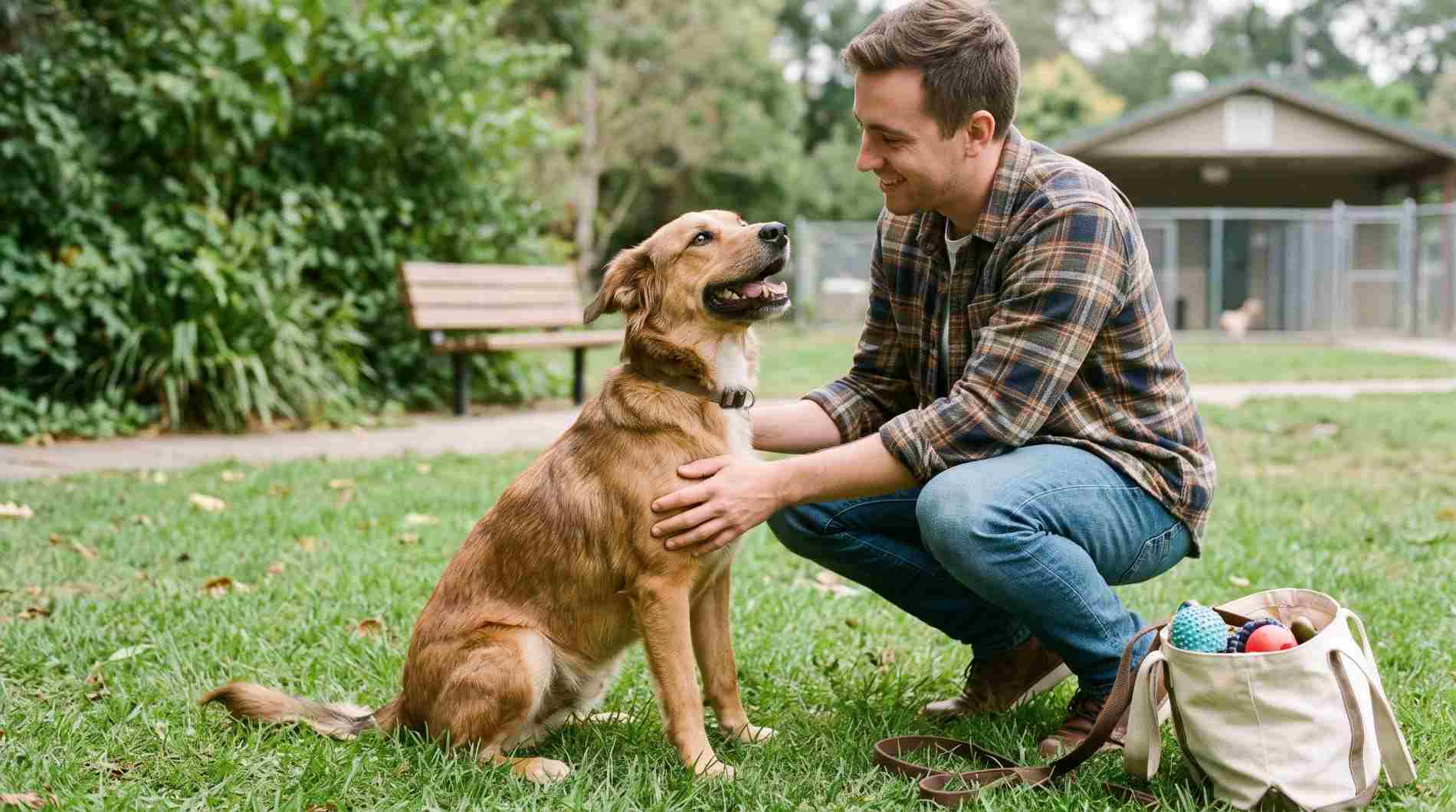
Absolutely. A dog’s previous experiences don’t determine whether they can build a relationship with a new family. Older dogs can form strong bonds, too.
Some dogs seek affection right away, while others need time before they feel comfortable approaching new people or exploring unfamiliar rooms. Let your dog set a comfortable pace for interactions, provide a quiet place to rest, and keep daily routines predictable.
Avoid expecting instant affection. Trust develops through safe, positive experiences repeated over time.
Are Shelter Dogs Less Healthy Than Other Dogs?
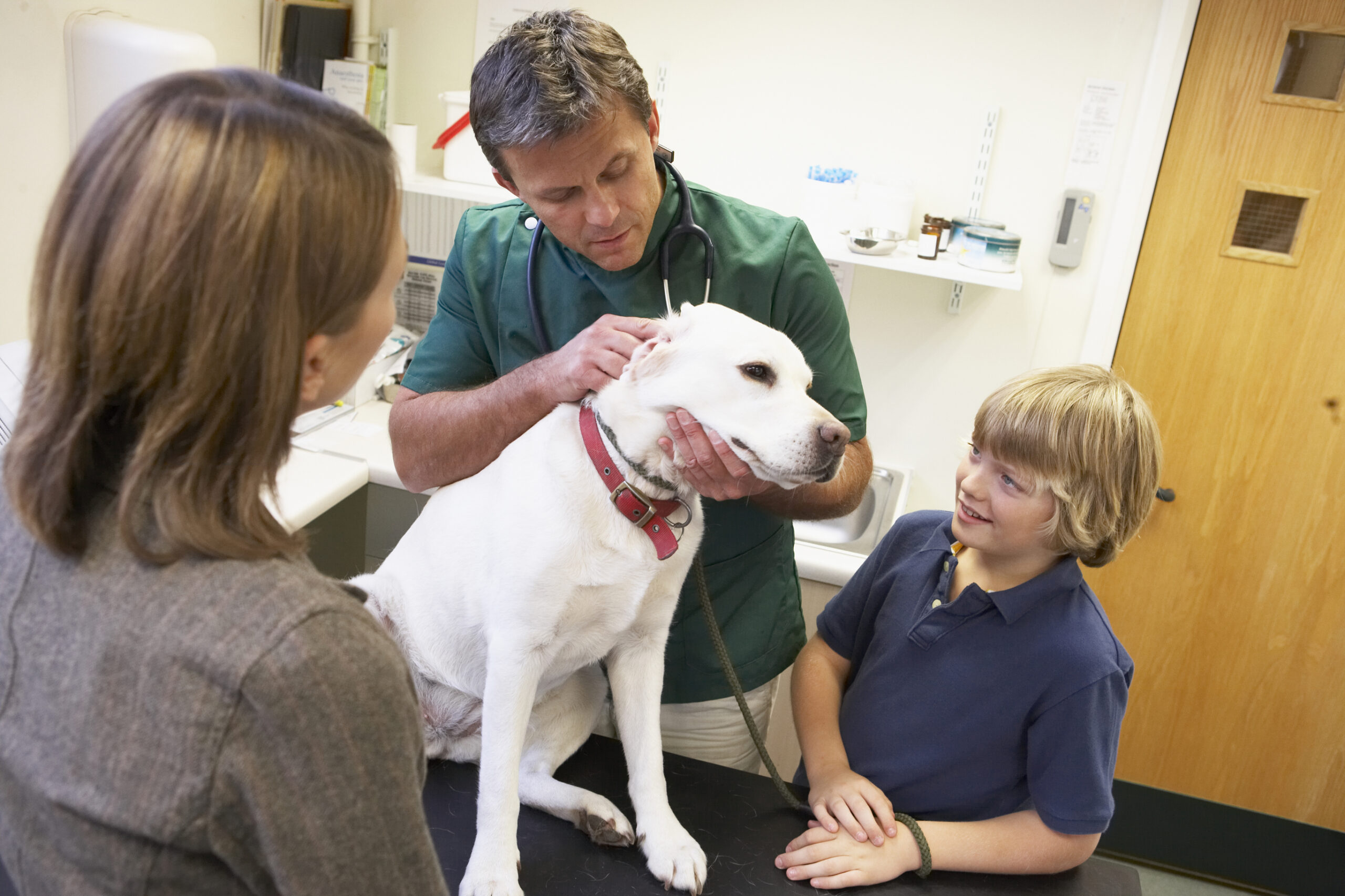
There’s no reason to assume a dog is unhealthy simply because they came from a shelter. However, individual dogs can have medical needs, just as dogs acquired through breeders or other sources can.
Before adopting, ask about the dog’s known medical history, veterinary examinations, vaccinations, medications, and any recommended follow-up care. If information about the dog’s past is limited, your veterinarian can help you plan an appropriate health check.
Shelters vary in the services they provide, so ask what has been completed and what your dog may still need.
How Can You Choose the Right Shelter Dog?
Focus on compatibility rather than stereotypes. Think about your household, activity level, available time, living arrangements, and experience with dogs. Ask about the dog’s energy level, comfort around children or other pets, and any known training or medical needs.
If possible, arrange a meeting and ask shelter staff how to make the introduction comfortable. Once your dog comes home, give them time to adjust instead of expecting them to understand every household rule immediately.
Learning more about shelter dog myths can help you look beyond assumptions and focus on the individual companion in front of you.
Take Our Course: “Myths and Misconceptions About Shelter Dogs”
Want to understand shelter dogs beyond the common stereotypes?
Animal Wellness Academy’s Myths and Misconceptions About Shelter Dogs course offers an opportunity to explore the assumptions surrounding adoption and learn why each dog deserves to be considered as an individual. It’s a helpful next step for anyone thinking about welcoming a shelter dog into their family.
Frequently Asked Questions
Are shelter dogs good family pets?
Many shelter dogs can thrive in family homes, but the right match depends on the individual dog’s temperament, needs, and experience, as well as the household’s circumstances.
Do shelter dogs have more behavior problems?
Not automatically. Some dogs need additional support, and behavior observed in a shelter may not fully reflect how they behave in a home. Ask shelter staff about the dog’s known behavior and needs.
Can you teach an older shelter dog new things?
Yes. Older dogs can learn through consistent, reward-based training. Adjust the pace to your dog’s abilities and provide plenty of opportunities to practice.
What should I ask before adopting a shelter dog?
Ask about the dog’s known health history, behavior, energy level, experience with children and other animals, and any ongoing care needs. Also ask what support the shelter offers after adoption.