
Natural Help for Your Dog’s Spinal Problems: What Dog Parents Should Know
When your dog struggles to stand, walks differently, or seems uncomfortable when moving, it’s natural to want to help. Spinal problems can affect a dog’s mobility, comfort, and everyday activities. Some develop gradually, while others appear suddenly and require urgent veterinary attention.
Understanding common spinal conditions and the care options available can help you make informed decisions for your companion. Alongside conventional veterinary treatment, some pet parents explore integrative approaches to support comfort and rehabilitation. Knowing what these options involve, and where their limits lie, is an important first step.
TL;DR: Natural help for your dog’s spinal problems may involve veterinarian-guided rehabilitation and complementary approaches alongside appropriate medical treatment. Conditions such as intervertebral disc disease (IVDD) and spondylosis need an accurate diagnosis before care decisions are made. Explore Animal Wellness Academy’s Natural Help for Your Dog’s Spinal Problems course to learn more about spinal conditions and integrative care options for dogs.
What Spinal Problems Can Affect Dogs?
Two conditions often discussed in canine spinal health are intervertebral disc disease (IVDD) and spondylosis.
IVDD affects the discs between the vertebrae. These discs help cushion the spine, and changes or damage can allow disc material to press on the spinal cord or nearby nerves. Depending on the severity and location, a dog may experience back or neck pain, weakness, difficulty walking, or paralysis.
Spondylosis involves bony growths along the vertebrae, often associated with aging and changes in the spine. Some dogs show few obvious signs, while others may experience stiffness or discomfort.
Watch for changes such as reluctance to jump, an unusual posture, a hunched back, yelping when moving, or difficulty rising. Sudden weakness, inability to walk, paralysis, or loss of bladder or bowel control warrants emergency veterinary care. Don’t wait to see whether a natural remedy helps.
How Is Veterinary Care Combined With Natural Approaches?
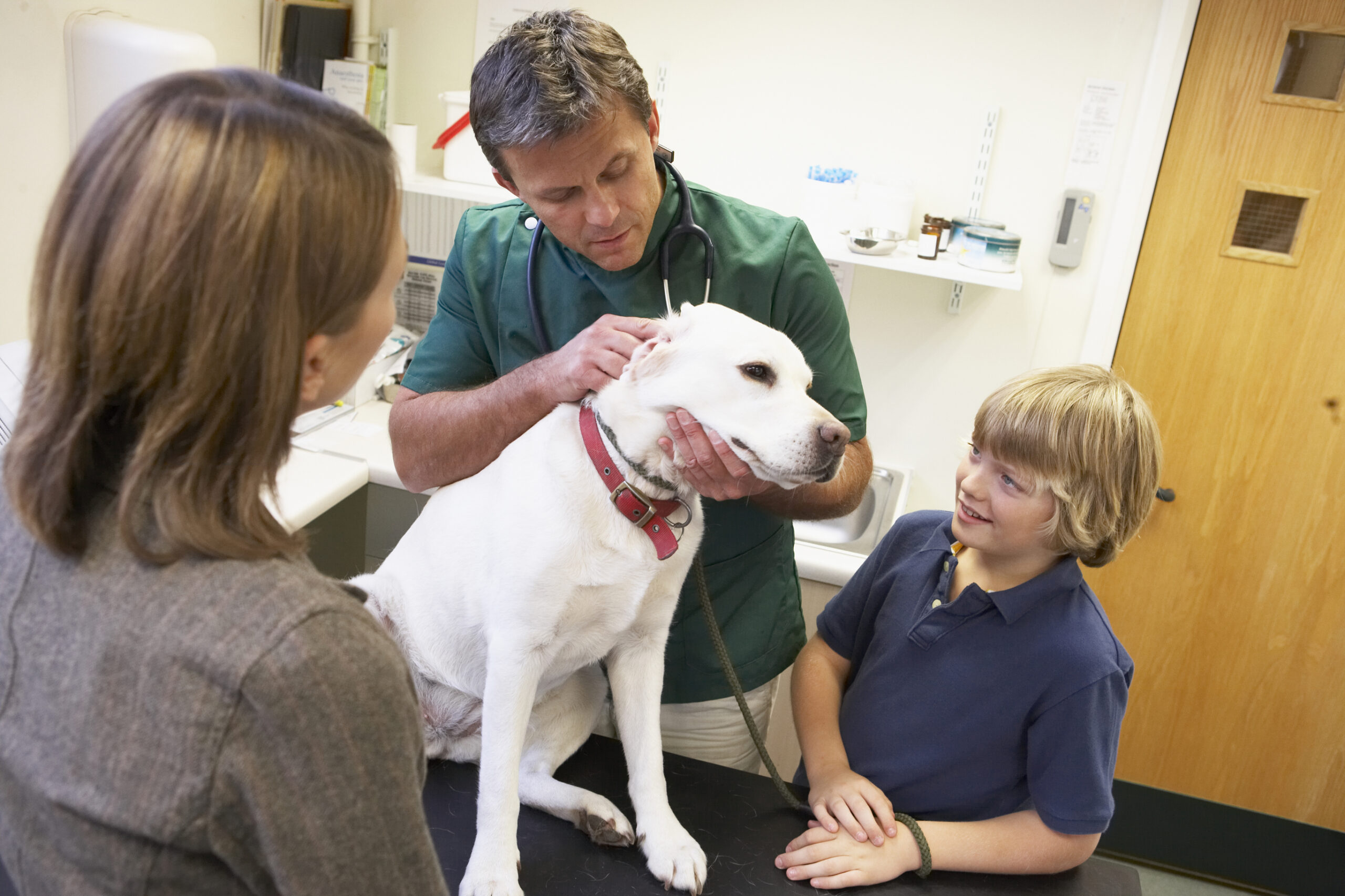
The right treatment depends on the diagnosis, severity, and your dog’s neurological function. Conventional veterinary care may include pain management, activity restriction, diagnostic imaging, rehabilitation, or surgery. Some spinal conditions require urgent intervention.
Integrative veterinary care may also consider approaches such as acupuncture, Traditional Chinese Veterinary Medicine (TCVM), massage, or carefully selected rehabilitation exercises. These options are not interchangeable, and not every approach is suitable for every spinal condition.
For example, spinal manipulation may be dangerous in a dog with an unstable injury or suspected disc extrusion. Never attempt spinal adjustments or forceful stretching at home. A veterinarian should determine which movements and therapies are appropriate for your dog.
Homeopathy is sometimes discussed in holistic veterinary care, but reliable evidence that it treats spinal disease is lacking. It should never replace proven treatment or delay assessment by a veterinarian.
What Can You Do at Home to Support Your Dog?
Follow your veterinarian’s instructions closely, especially if your dog has been prescribed crate rest or restricted activity. Too much movement can worsen some spinal injuries, even when your dog seems eager to walk.
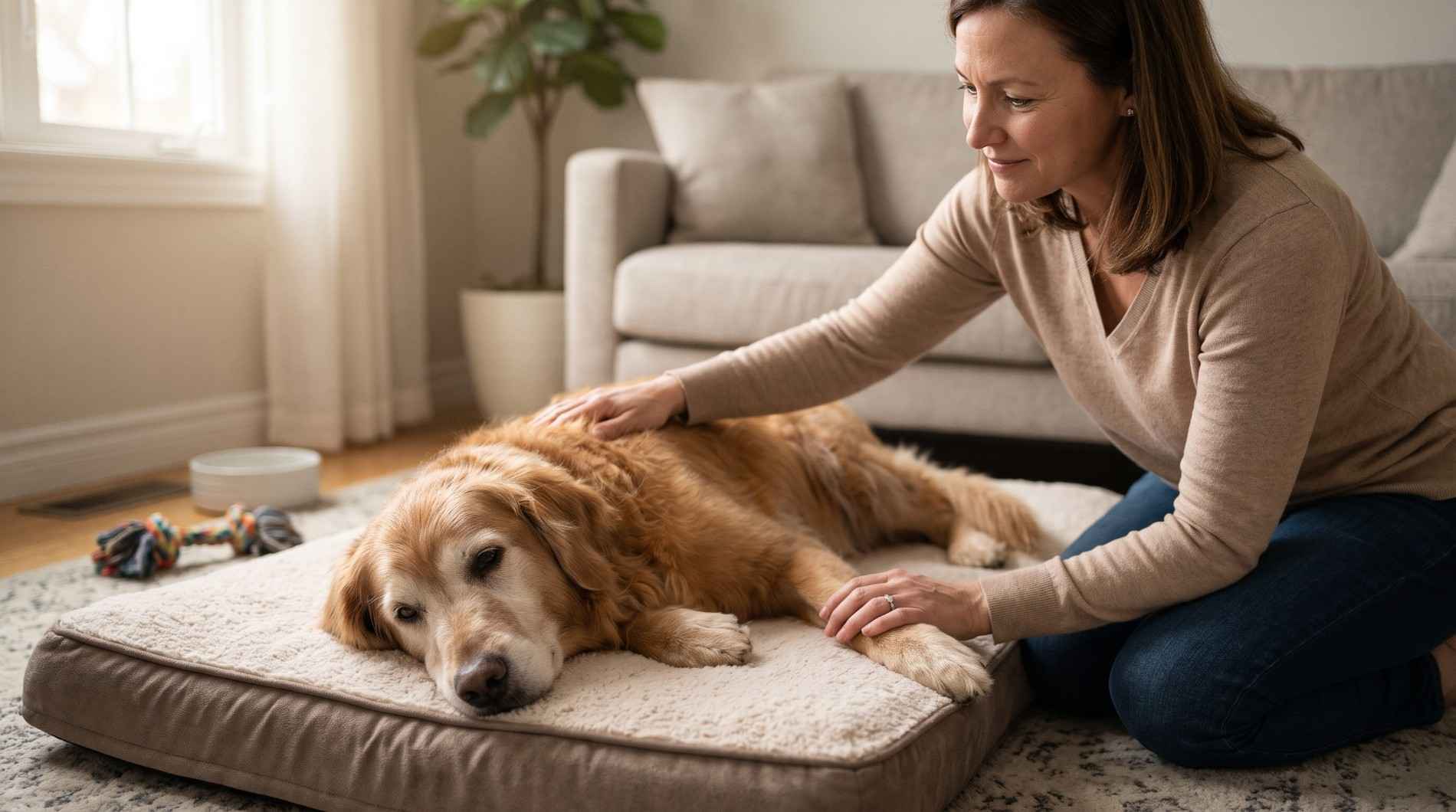
You can make your home more comfortable by providing supportive bedding, keeping food and water accessible, and reducing the need to climb stairs or jump onto furniture. Use non-slip surfaces where possible, and ask your veterinarian whether a support harness or other mobility aid would be appropriate.
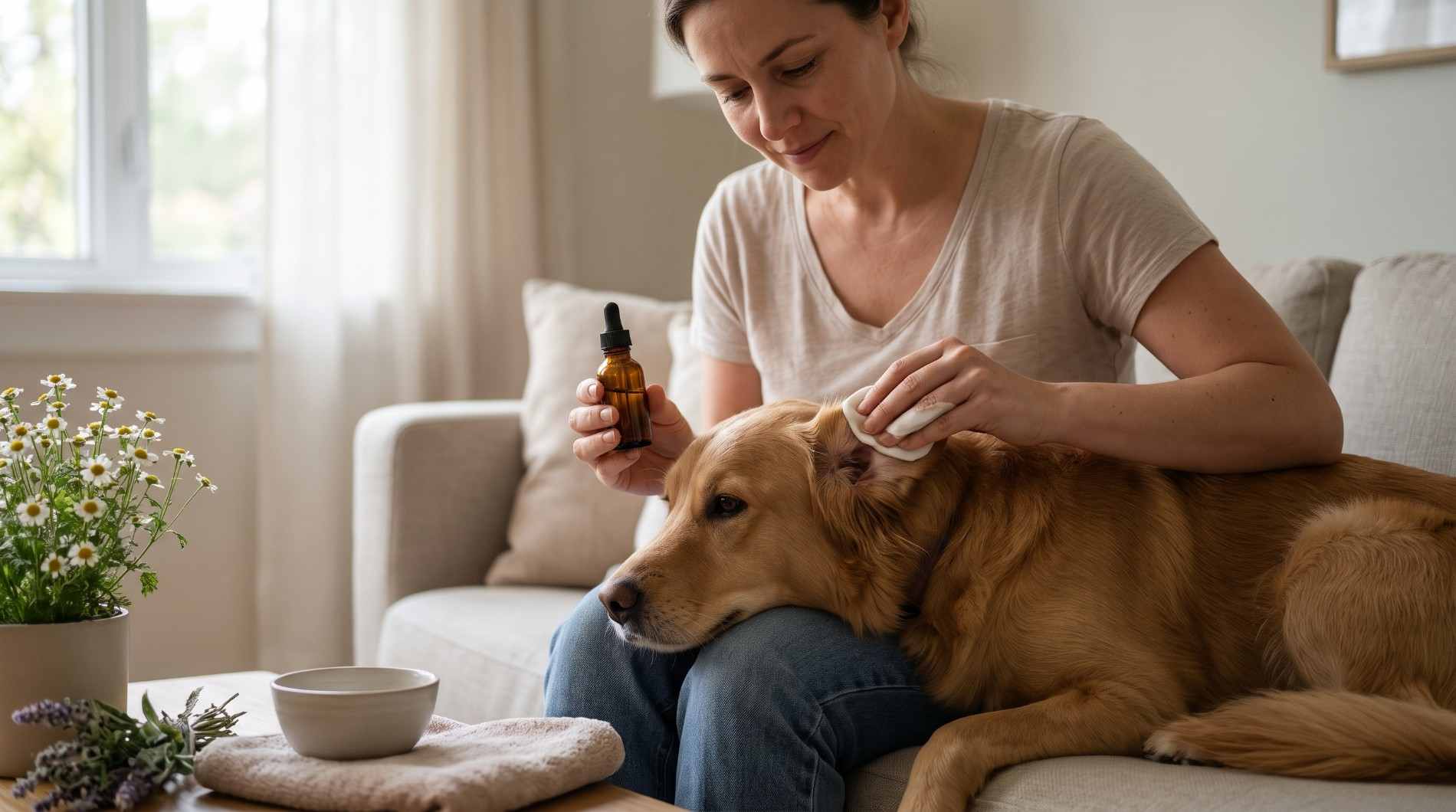
Don’t start exercises, massage, supplements, or herbal products without checking with your veterinary team. Some products can interact with medication, and an exercise that helps one condition may be unsafe for another.
Can You Help Prevent Further Spinal Problems?
Not every spinal condition can be prevented, but sensible daily care can support your dog’s overall mobility. Maintaining a healthy body weight helps avoid unnecessary strain, while appropriate activity supports strength and fitness.
Follow breed-specific and veterinary guidance if your dog is at increased risk of spinal disease. Seek advice early if you notice changes in movement rather than waiting for symptoms to become more pronounced.
Take Our Course: “Natural Help for Your Dog’s Spinal Problems”
Want to understand more about canine spinal conditions and the complementary approaches sometimes used alongside conventional care?
Animal Wellness Academy’s Natural Help for Your Dog’s Spinal Problems course offers an opportunity to explore integrative care options and learn more about supporting a dog with spinal health concerns. Use that knowledge to have informed conversations with your veterinarian about what may be appropriate for your companion.
Frequently Asked Questions
What are common signs of spinal problems in dogs?
Signs may include back or neck pain, stiffness, a hunched posture, reluctance to move, weakness, or difficulty walking. Sudden weakness, paralysis, or loss of bladder or bowel control requires emergency veterinary care.
Can natural remedies cure IVDD in dogs?
There is no reliable evidence that natural remedies alone can cure IVDD. Treatment depends on the severity of the condition and may include medication, strict activity restriction, rehabilitation, or surgery.
Is acupuncture an option for dogs with spinal problems?
A veterinarian may consider acupuncture as part of an integrative care plan for selected dogs. Its suitability depends on the diagnosis, and it should not replace necessary medical or surgical treatment.
How can I make my home safer for a dog with spinal problems?
Follow your veterinarian’s activity restrictions, prevent jumping and stair climbing when advised, provide comfortable bedding, and use non-slip flooring. Ask your veterinary team before starting exercises or using mobility aids.