
Natural Remedies for Your Dog or Cat’s Gut Problems: What Pet Parents Should Know
An upset stomach can turn an ordinary day into a stressful one. Maybe your dog has loose stools after a food change, or your cat vomits more often than usual. Digestive problems are common in pets, but their causes can range from a temporary reaction to food to an illness that needs veterinary treatment.
It’s understandable to look for gentle, natural ways to support your companion’s digestive health. Before trying a supplement or home remedy, though, it helps to understand what might be causing the symptoms and which approaches are appropriate for your pet.
TL;DR: Natural remedies for your dog or cat’s gut problems should be chosen carefully because digestive symptoms can have many causes. Consistent feeding routines and veterinary guidance can help you make safer decisions, while persistent vomiting, diarrhea, blood in the stool, or unusual tiredness need prompt attention. Explore Animal Wellness Academy’s Natural Remedies for Your Dog or Cat’s Gut Problems course to learn more about natural approaches to digestive health and the considerations involved in using them responsibly.
What Causes Digestive Problems in Dogs and Cats?
Digestive upset can develop for several reasons. Eating something unusual, changing food too quickly, stress, food sensitivities, and intestinal parasites are possible causes. In other cases, vomiting or diarrhea may be linked to infection, inflammation, a swallowed object, or another medical condition.
Watch for signs such as loose stools, vomiting, reduced appetite, gas, abdominal discomfort, or changes in normal bathroom habits. Cats may also show changes in grooming, activity, or litter box use when they aren’t feeling well.
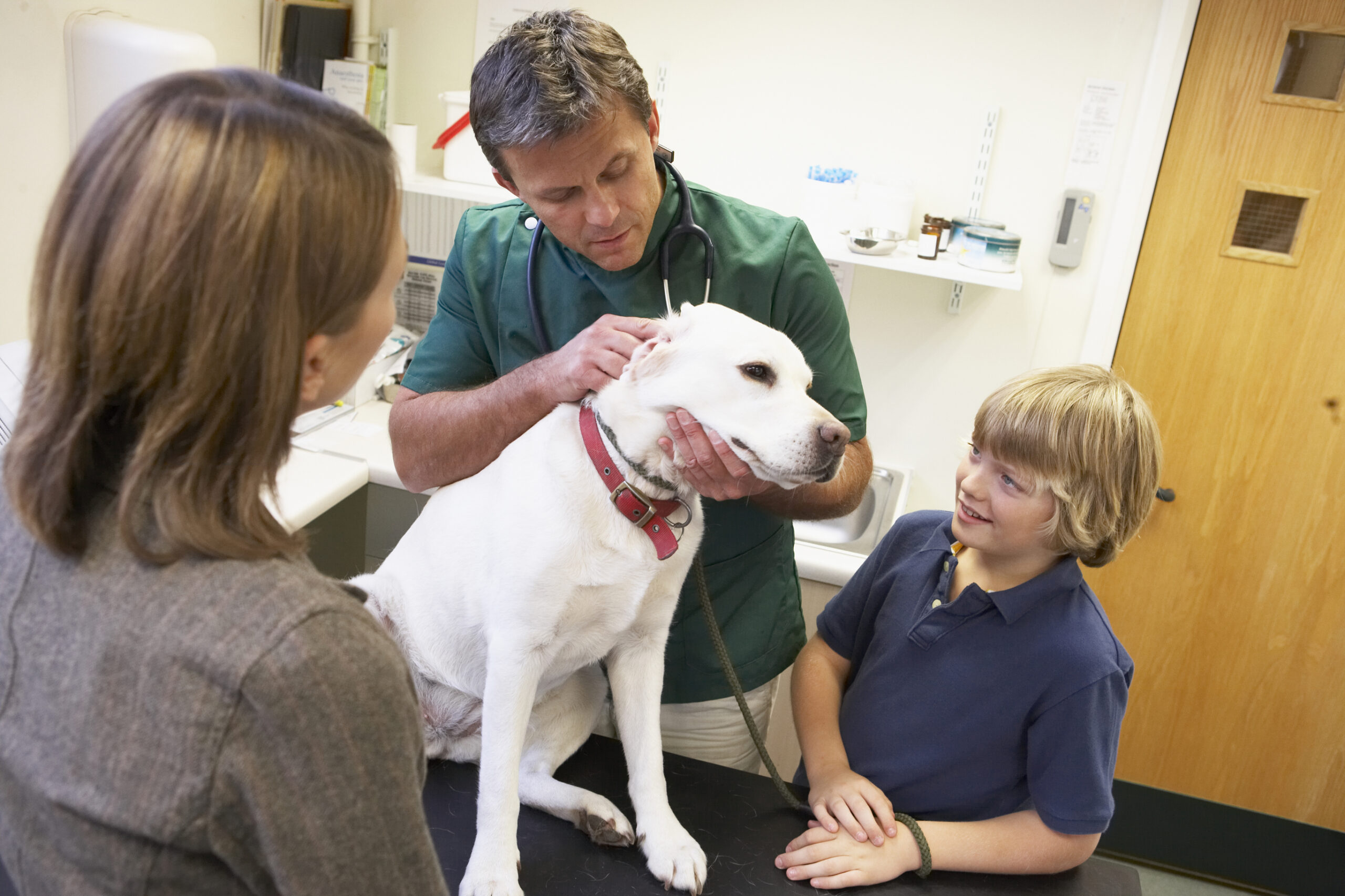
These symptoms don’t identify the cause on their own. If your pet has recurring digestive problems, a veterinary examination can help determine whether diet, parasites, an underlying illness, or another factor needs attention.
Can Natural Remedies Help a Pet’s Gut Health?
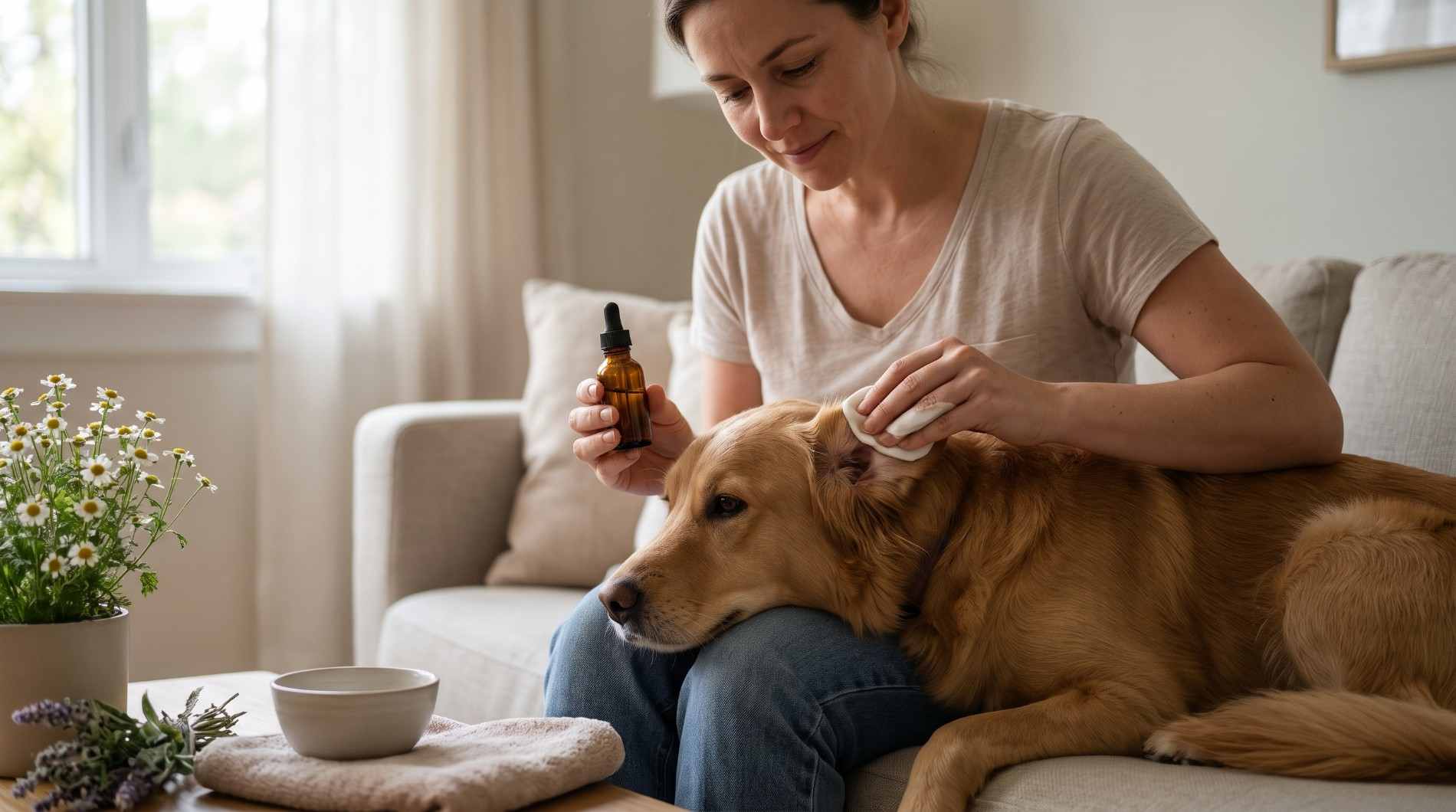
Some natural approaches are discussed in pet wellness, including dietary adjustments, probiotics, and certain supplements. However, their usefulness depends on the individual animal and the problem being addressed.
For example, veterinarians may recommend a specific probiotic or therapeutic diet in selected cases. That doesn’t mean every product marketed for digestive health will work for every dog or cat. Evidence, ingredient quality, dosage, and possible interactions all matter.
Herbal products and other complementary remedies also deserve careful consideration. Cats can be particularly sensitive to certain substances, and a product suitable for one species may not be safe for another.
Animal Wellness Academy’s Natural Remedies for Your Dog or Cat’s Gut Problems course offers a way to explore this topic further and consider questions to ask before adding a natural product to your pet’s routine.
What Can You Do at Home to Support Digestive Health?
Start with simple, consistent habits while following your veterinarian’s advice.
- Keep meals consistent. Avoid frequent food changes and introduce a new diet gradually unless your veterinarian recommends a different plan.
- Provide fresh water. Vomiting and diarrhea can lead to dehydration, so access to clean water matters.
- Watch for patterns. Record when symptoms occur, what your pet has eaten, and any recent changes in food, treats, or routine.
- Choose supplements carefully. Ask your veterinarian before giving probiotics, herbs, or other products, particularly if your pet takes medication or has an ongoing condition.
- Avoid human medications. Don’t give your pet an over-the-counter digestive remedy unless your veterinarian specifically advises it.
Seek veterinary care promptly if symptoms persist or recur. Blood or black, tarry stool, repeated vomiting, marked lethargy, abdominal pain, or an inability to keep water down can signal a more serious problem. Puppies, kittens, senior pets, and animals with existing health conditions may need attention sooner. Cornell University’s veterinary guidance explains when diarrhea warrants medical care.
How Can You Make Informed Choices About Natural Gut Care?
A natural approach should begin with understanding your pet’s needs, not simply choosing a product labeled natural. Ask your veterinarian whether a remedy has evidence supporting its use, whether it is safe for your pet’s species, and whether it could interact with existing treatment.
The goal is to support digestive health without overlooking the reason symptoms are happening. With reliable information and professional guidance, you can make more confident decisions about your dog or cat’s care.
Take Our Course: “Natural Remedies for Your Dog or Cat’s Gut Problems”
Want to learn more about natural approaches to digestive health in dogs and cats?
Animal Wellness Academy’s Natural Remedies for Your Dog or Cat’s Gut Problems course gives pet parents an opportunity to explore this subject and build their understanding of the considerations involved in complementary care. Use what you learn to have more informed conversations with your veterinarian about your companion’s needs.
Frequently Asked Questions
What are common signs of gut problems in dogs and cats?
Common signs include vomiting, diarrhea, changes in appetite, gas, and abdominal discomfort. Persistent or recurring symptoms should be assessed by a veterinarian.
Are natural remedies safe for dogs and cats?
Not all natural remedies are safe for every pet. Safety depends on the ingredient, amount, species, health condition, and medications involved. Ask your veterinarian before using a new product.
Can probiotics help a dog or cat with digestive problems?
Some probiotics may be useful in specific situations, but results depend on the product and the cause of the digestive issue. Your veterinarian can help determine whether one is appropriate.
When should I take my pet to the vet for digestive problems?
Seek prompt veterinary advice for persistent vomiting or diarrhea, blood or black stool, reduced appetite, or unusual tiredness. Repeated vomiting, severe pain, weakness, or inability to keep water down may require urgent care.