
Noni for Dogs and Cats: What Pet Parents Should Know
Noni is a tropical fruit found in parts of Southeast Asia and the Pacific Islands. It has a long history of traditional use, and today it appears in juices and dietary supplements marketed for a range of wellness benefits.
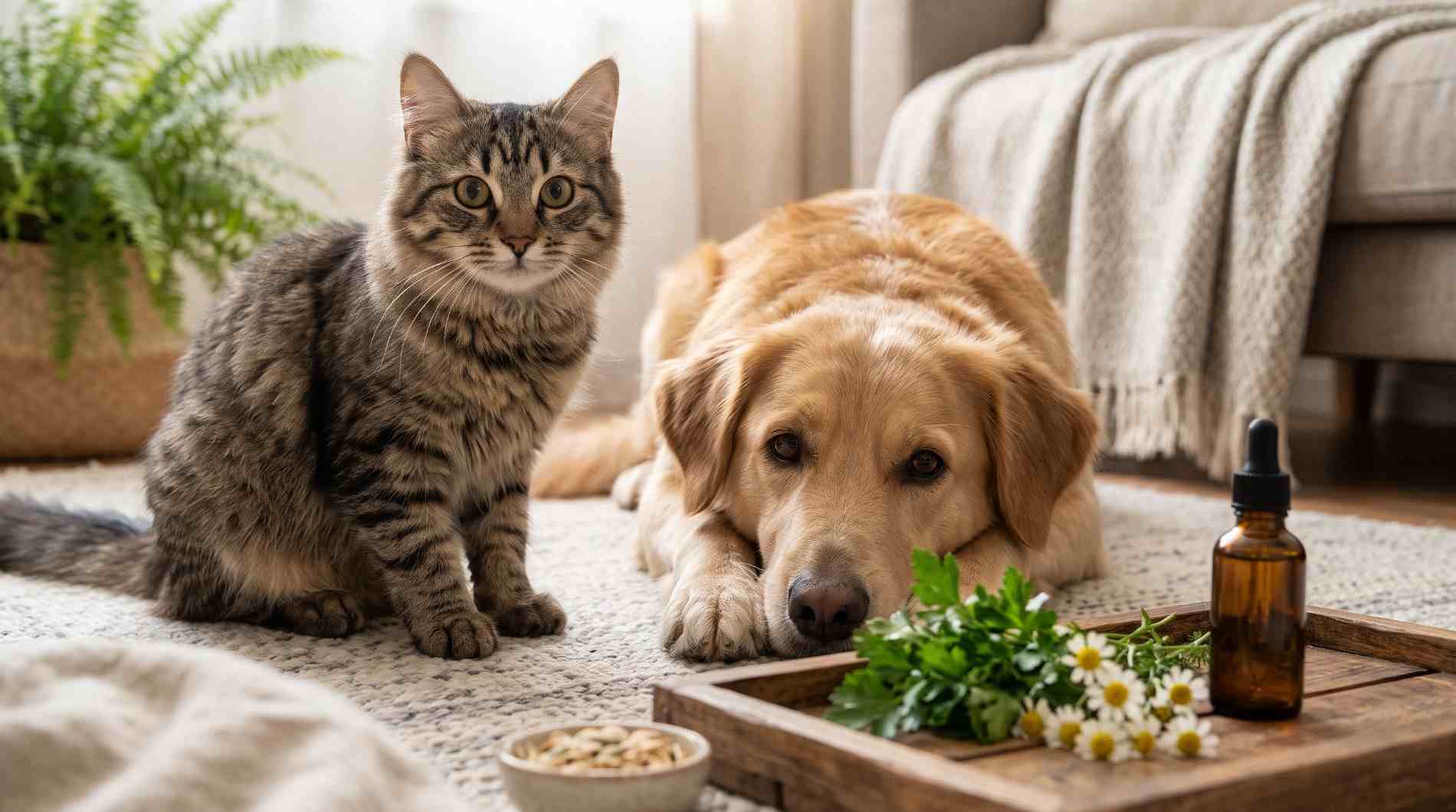
If you’re curious about natural approaches to pet care, you may wonder whether noni has a place in your dog’s or cat’s routine. Before adding this unfamiliar fruit or a noni supplement to your companion’s diet, it helps to separate traditional uses from proven benefits and understand why veterinary guidance matters.
TL;DR: Noni is a tropical fruit with a history of traditional use, but research on its benefits and safety in dogs and cats is limited. Products made for people shouldn’t automatically be considered suitable for pets. Animal Wellness Academy’s Noni: A Tropical Fruit That’s Good for Dogs and Cats course offers pet parents an opportunity to explore this fruit and learn more about its potential role in animal wellness.
What Is Noni, and Why Is It Used?
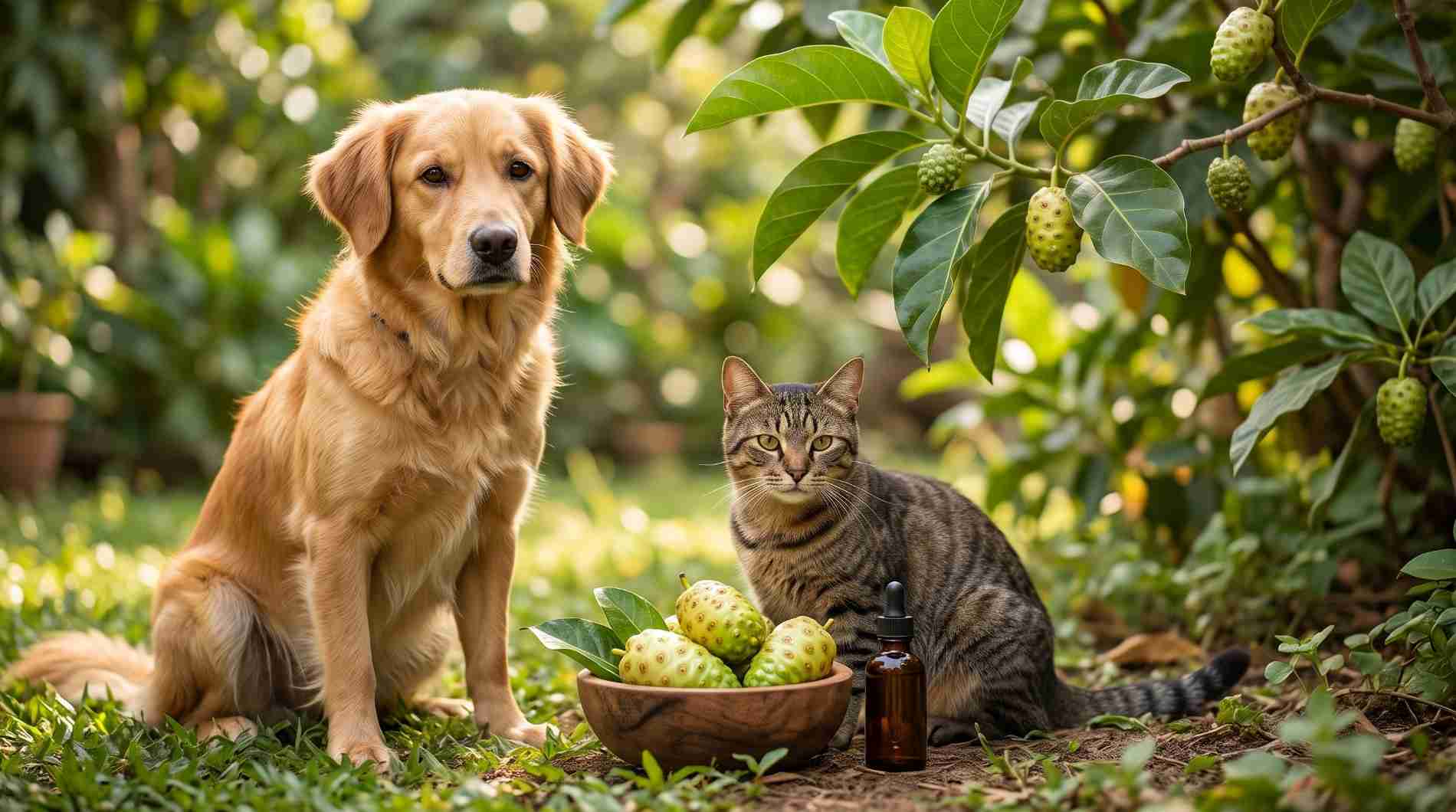
Noni, scientifically known as Morinda citrifolia, grows in tropical regions, including Southeast Asia and the Pacific Islands. Its fruit has been used traditionally as food and in folk medicine.
Today, noni is sold in different forms, including juice, powders, and dietary supplements. It is often promoted for its antioxidant properties and other potential health effects. Laboratory research has explored some of these properties, but promising findings in a lab do not necessarily translate into health benefits for a living animal.
The U.S. National Center for Complementary and Integrative Health notes that noni has not been shown to provide beneficial effects for any health condition in human studies. Evidence for dogs and cats is even more limited. That makes it important to approach bold marketing claims with care.
Can Dogs and Cats Have Noni?
There isn’t enough reliable research to establish a generally safe and effective amount of noni for dogs or cats. A product’s availability as a natural supplement doesn’t guarantee that it is appropriate for every animal.
Dogs and cats have different nutritional needs and may process substances differently from people. Cats, in particular, can be sensitive to certain ingredients found in human products. Concentrated extracts and multi-ingredient supplements also raise questions that cannot be answered by looking at the fruit alone.
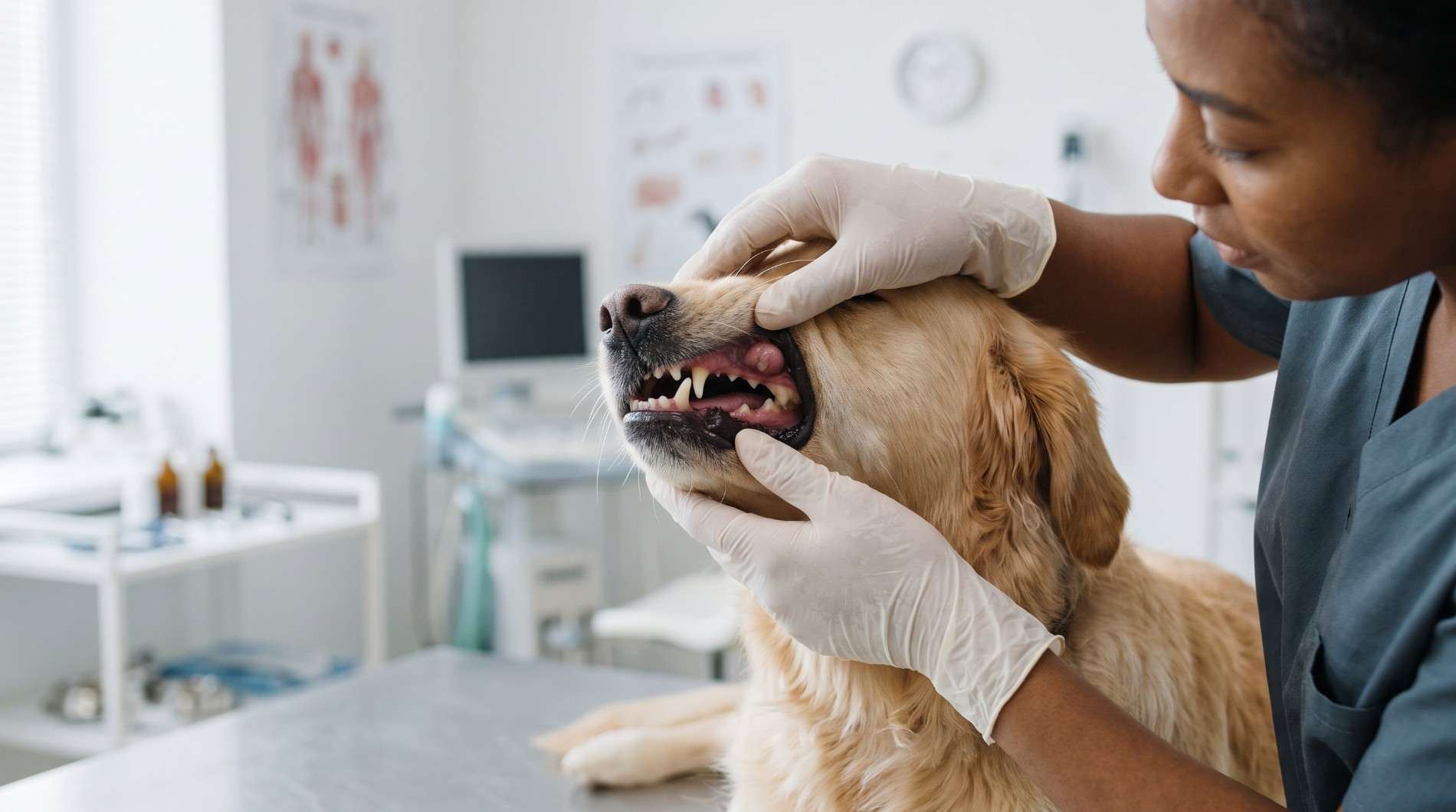
If you’re considering noni for your pet, speak with your veterinarian first. Bring the product label or ingredient list so your veterinarian can assess its formulation, concentration, and potential interactions with medications or existing health conditions.
What Should You Know About Noni’s Potential Benefits?
Noni contains plant compounds that researchers have studied for possible biological effects, including antioxidant activity. However, these findings do not establish that noni prevents disease, improves immunity, reduces inflammation, or treats a health problem in dogs and cats.
Human safety research also cannot establish the correct dose or long-term safety for pets. The National Center for Complementary and Integrative Health reports that the full safety picture for noni remains incomplete and that cases of liver toxicity have been reported in people who consumed it, although the cause of those cases is uncertain.
This doesn’t prove that noni will harm your pet. It does mean that claims about its benefits and safety should be treated cautiously until better evidence is available.
How Can You Make Safer Choices About Natural Pet Supplements?
Start with your pet’s individual needs rather than a product’s marketing claims. A healthy dog or cat eating a complete and balanced diet may not need an additional supplement unless there is a specific reason for one.
Before introducing noni or another botanical product:
- Ask your veterinarian whether it is appropriate for your pet.
- Check the complete ingredient list, including flavorings and sweeteners.
- Avoid products intended for people unless your veterinarian approves the specific formulation.
- Don’t replace prescribed medication or delay treatment in favor of a supplement.
- Stop use and contact your veterinarian if your pet develops concerning symptoms after taking a product.
Learning about natural ingredients can help you ask better questions, but safe use depends on evidence, product quality, and your companion’s health.
Take Our Course: “Noni: A Tropical Fruit That’s Good for Dogs and Cats”
Curious about noni and its place in animal wellness?
Animal Wellness Academy’s Noni: A Tropical Fruit That’s Good for Dogs and Cats course gives pet parents an opportunity to explore this tropical fruit and consider the questions surrounding its use for companion animals. Use what you learn to make informed decisions and discuss any potential supplement with your veterinarian.
Frequently Asked Questions
What is noni fruit?
Noni (Morinda citrifolia) is a tropical fruit native to regions including Southeast Asia and the Pacific Islands. It has a history of traditional food and medicinal use and is now sold in juices and supplements.
Is noni safe for dogs and cats?
There is not enough research to establish a safe, effective dose for dogs and cats. Ask your veterinarian before giving your pet noni or a supplement containing it.
Does noni improve pet health?
Potential health effects have been explored in laboratory research, but strong evidence showing that noni benefits dogs and cats is lacking. It should not be used to treat or prevent disease without veterinary guidance.
Should I give my pet noni juice made for people?
Not without veterinary approval. Human products may have different concentrations or added ingredients, and their safety for dogs and cats may not be established.