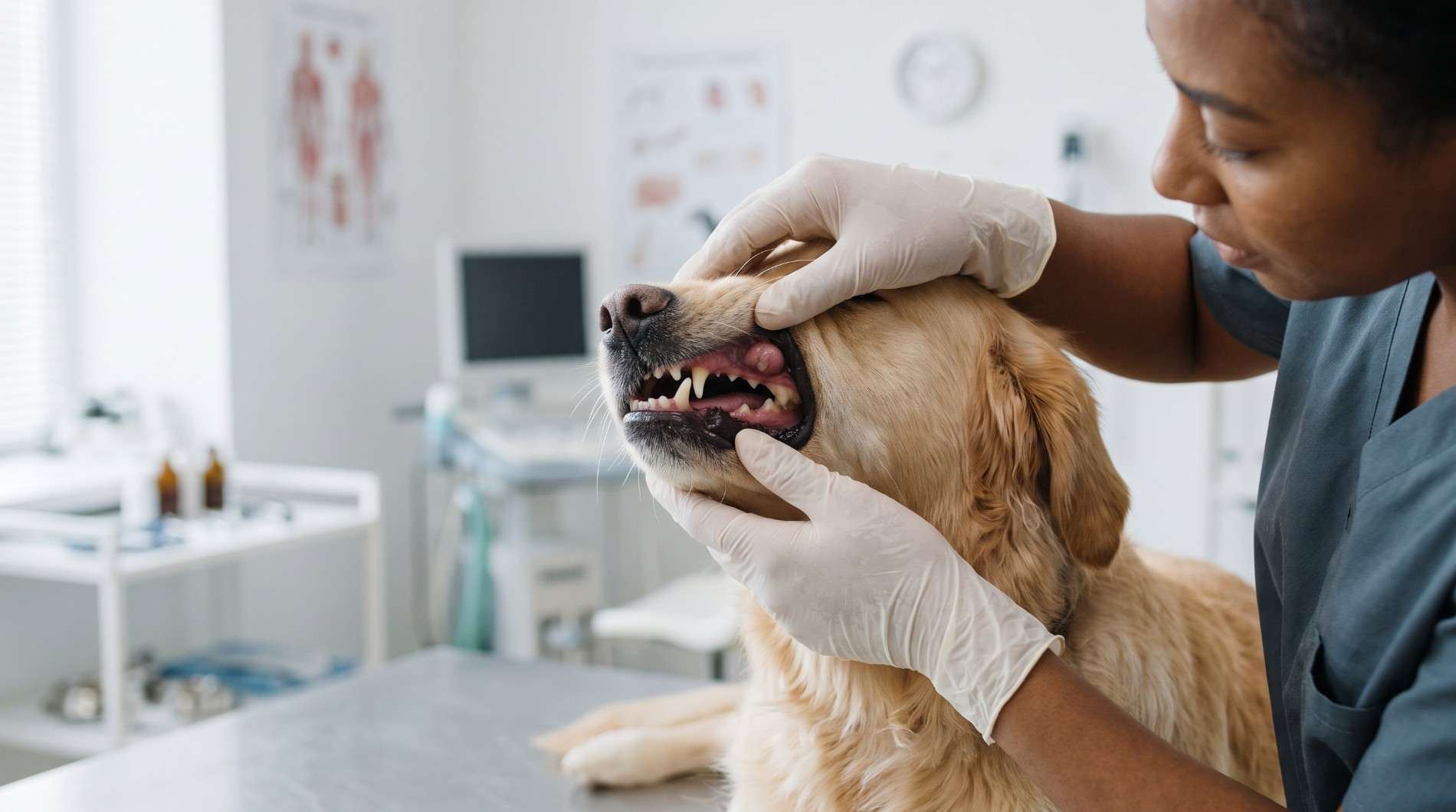


Novel Proteins for Dogs and Cats: What Pet Parents Should Know
Have you ever wondered if the protein in your pet’s food could be connected to their itchy skin, recurring ear problems, or digestive troubles? Food can play a role in some pets’ health concerns, and that may lead your veterinarian to discuss trying a different protein source.
That’s where novel proteins come in. They can be part of a carefully planned diet for dogs and cats with suspected food allergies or sensitivities. But choosing an unfamiliar meat off the pet food shelf isn’t always enough.
TL;DR: Novel proteins are protein sources your dog or cat hasn’t eaten before. They may be useful in a veterinarian-guided elimination diet when a food allergy is suspected. Want to understand how novel proteins fit into pet nutrition and what to consider before changing your animal’s food? Explore our Novel Proteins for Your Dog or Cat course to learn more.
What Are Novel Proteins for Dogs and Cats?
A novel protein is a protein source that is new to an individual animal. Depending on your pet’s dietary history, examples may include rabbit, venison, duck, or kangaroo.
The word novel is relative. A protein that’s unfamiliar to one dog may be something another dog has eaten regularly. That’s why reviewing your pet’s food history matters before selecting a diet.
Novel protein diets are sometimes used during an elimination diet trial, a process veterinarians use to investigate suspected food allergies. A carefully selected diet can help reduce exposure to ingredients your pet has eaten before.
Could a Novel Protein Help With Food Allergies?
Food allergies can cause signs such as persistent itching, irritated skin, or digestive problems, including vomiting and diarrhea. However, these symptoms can have several causes, so they don’t automatically mean your pet has a food allergy.
Dogs and cats can also react to proteins they have eaten for a long time. Simply switching from chicken to another meat doesn’t guarantee that symptoms will improve.
When a food allergy is suspected, your veterinarian may recommend an elimination diet using a suitable novel protein or a hydrolyzed-protein diet. The appropriate option depends on your pet’s health, previous diet, and other individual needs.
A proper diet trial also requires consistency. Extra treats, table scraps, flavored medications, and supplements may introduce ingredients that interfere with the results. Follow your veterinarian’s instructions throughout the process.
How Do You Choose the Right Protein for Your Pet?
Start with a record of everything your dog or cat has eaten. Include regular meals, treats, chews, table food, and flavored supplements. This information helps your veterinarian identify protein sources your pet may not have encountered.
Next, consider the food itself. A product marketed as limited-ingredient or novel protein isn’t automatically suitable for diagnosing an allergy. Ingredient control and the possibility of cross-contamination can matter during a diagnostic diet trial, so ask your veterinarian which food is appropriate.
You’ll also need to consider nutritional balance. A diet should meet your pet’s nutritional needs, not simply contain an unfamiliar meat. Homemade diets can be difficult to balance without guidance from a veterinary nutrition professional.
What Should You Know Before Changing Your Pet’s Food?
A sudden diet change may upset your pet’s stomach, and an unplanned switch can make it harder to work out what is causing their symptoms.
Talk with your veterinarian before changing foods to address suspected allergies. They can help determine whether a diet trial makes sense, select a suitable option, and explain how long to follow the plan.
Keep track of changes in your pet’s skin, digestion, appetite, and general comfort. Don’t stop or alter a prescribed diet trial just because your pet seems better. Your veterinarian can guide the next steps, including whether a controlled food challenge is needed to confirm the diagnosis.
Learning about novel proteins gives you a better starting point for these conversations and helps you make food choices based on your pet’s needs rather than marketing claims.
Take Our Course: “Novel Proteins for Your Dog or Cat”
Curious about the role novel proteins can play in your pet’s diet?
Our Novel Proteins for Your Dog or Cat course offers an opportunity to learn more about this topic and consider how protein choices fit into your approach to dog and cat nutrition. Build your understanding of novel proteins so you can ask more informed questions and work with your veterinarian when deciding what belongs in your pet’s bowl.
Frequently Asked Questions
What are examples of novel proteins for pets?
Depending on what a pet has eaten previously, examples may include rabbit, venison, duck, or kangaroo. The right choice depends on the animal’s dietary history.
Can a novel protein diet cure food allergies?
No diet should be described as a guaranteed cure. A veterinarian may recommend a carefully managed elimination diet to investigate suspected food allergies and help identify suitable long-term food options.
How do I know if my pet needs a novel protein diet?
Persistent itching, skin irritation, or digestive problems may warrant a veterinary assessment. These signs have many possible causes, so consult your veterinarian before changing your pet’s diet.
Can I prepare a novel protein diet at home?
It may be possible, but homemade diets can lack essential nutrients if they aren’t properly formulated. Ask your veterinarian or a veterinary nutritionist to help ensure your pet’s diet is complete and balanced.