

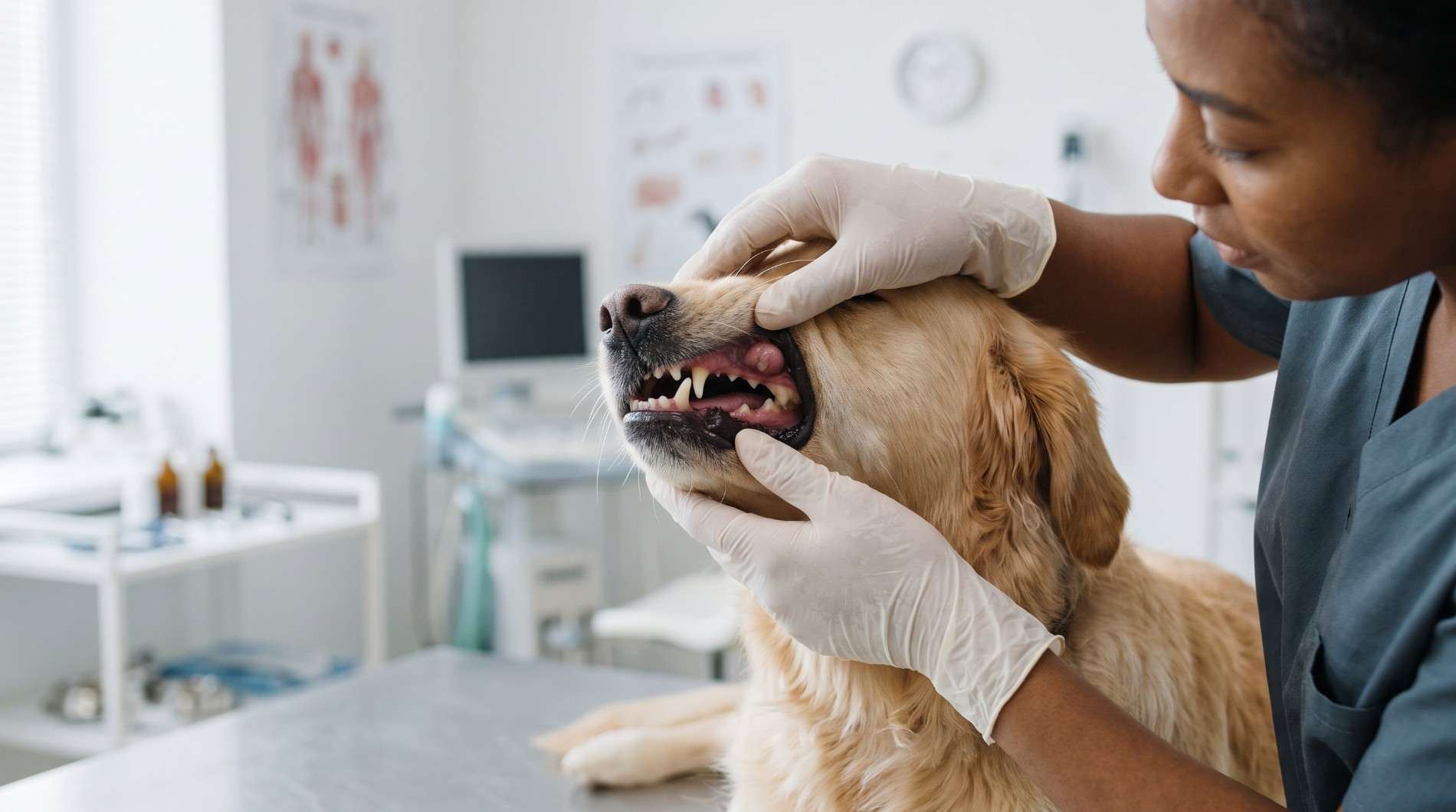
Oral Tumors in Dogs and Cats: Signs Pet Parents Should Know
A lump in your dog’s mouth or a change in your cat’s eating habits can be easy to overlook, especially when your pet still seems happy and active. However, changes around the mouth deserve attention because oral tumors can affect eating, comfort, and overall health. Knowing what to watch for can help you seek veterinary care sooner and make informed decisions about your pet’s treatment.
TL;DR: Oral tumors in dogs and cats can be benign or malignant, and their signs may include mouth swelling, bleeding, bad breath, difficulty chewing, or changes in appetite. If you notice something unusual, arrange a veterinary examination rather than assuming it’s a dental problem. Want to understand the different types of oral tumors, their symptoms, and available treatment approaches? Explore the Oral Tumors in Dogs and Cats course from the Animal Wellness Academy.
What Are Oral Tumors in Dogs and Cats?
Oral tumors are abnormal growths that develop in or around the mouth. They can affect the gums, tongue, lips, jaw, or other oral tissues. Some are benign, meaning they don’t invade nearby tissues in the same way malignant tumors can. Others are cancerous and may grow into surrounding structures or spread to other parts of the body.
Dogs and cats can develop different types of oral tumors, and their effects vary depending on the location, size, and type of growth. A small-looking lump shouldn’t automatically be dismissed, since appearance alone can’t tell you whether a growth is benign or malignant.
What Signs of Oral Tumors Should You Watch For?
Pets can’t tell us when something hurts. Sometimes, the first clues appear during mealtime or while you’re cuddling them.
Watch for changes such as:
- Persistent bad breath that seems unusual for your pet
- Bleeding from the mouth or unexplained drooling
- Swelling around the gums, jaw, or face
- Difficulty chewing, swallowing, or picking up food
- A noticeable lump, sore, or unusual tissue growth
- Reduced appetite, weight loss, or reluctance to eat
These signs can also occur with dental disease, infections, and other conditions. They don’t automatically mean your pet has a tumor, but they do warrant veterinary attention, particularly if they persist or worsen.
Cats may hide discomfort, while dogs may continue eating despite mouth pain. Don’t wait for your pet to stop eating entirely before asking your veterinarian about a change you’ve noticed.
How Are Oral Tumors Diagnosed and Treated?
Your veterinarian will examine your pet’s mouth and may recommend additional tests to identify the growth. Depending on the findings, these can include sampling cells or tissue for analysis, imaging, and other tests to determine how far the tumor extends.
Treatment depends on the tumor type, its location, and whether it has spread. Surgery may be an option, while some cases may call for radiation therapy, other cancer treatments, or supportive care. Your veterinarian can explain which approaches are appropriate for your pet.
Pet parents interested in natural therapies may also have questions about complementary options. These should be discussed with your veterinarian and shouldn’t replace necessary diagnostic testing or proven treatment.
How Can You Support a Pet With an Oral Tumor?
A diagnosis can feel overwhelming, but understanding your options can help you make decisions with your veterinary team. Ask questions about your pet’s diagnosis, treatment goals, pain management, and expected quality of life.
At home, pay attention to eating habits, drinking, drooling, and signs of discomfort. Your veterinarian may recommend changes to food texture or other adjustments to make eating more comfortable. Avoid trying to treat a mouth growth yourself, since some remedies may irritate oral tissues or delay appropriate care.
Learning more about oral tumors can help you feel better prepared for these conversations.
Take Our Course: “Oral Tumors in Dogs and Cats”
The Oral Tumors in Dogs and Cats course from Animal Wellness Academy, taught by veterinarian Dr. Janice Huntingford, DVM, introduces the types of oral tumors, their possible causes and symptoms, conventional treatments, and natural treatment options. It’s a helpful starting point for pet parents who want to understand the condition and prepare for informed conversations with their veterinarian.
Frequently Asked Questions
Are all oral tumors in dogs and cats cancerous?
No. Some oral tumors are benign, while others are malignant. A veterinary examination and appropriate testing are needed to determine what type of growth your pet has.
Can bad breath be a sign of an oral tumor?
Yes, persistent bad breath can be one possible sign. Dental disease and infections can also cause it, so a veterinary examination is the best way to investigate the cause.
Can oral tumors in pets be treated?
Treatment options depend on the tumor type, location, and extent. Surgery and other veterinary cancer treatments may be considered, alongside measures to manage pain and support quality of life.