
How Can You Protect Your Dog or Cat From Pet Theft?
For many families, a dog or cat is part of the household. The thought of a beloved companion going missing is upsetting enough, but the possibility that someone deliberately took them makes it even harder. Pet theft can happen when an animal is left unattended outside a shop, escapes through an open gate, or is approached by someone the owner doesn’t know.
The good news is that a few everyday precautions can make your pet less vulnerable and help you respond more effectively if they disappear.
TL;DR: Preventing pet theft starts with supervision, secure outdoor spaces, reliable identification, and caution when sharing information about your pet. Microchipping and current photos can also help if your companion goes missing. To learn more about practical ways to protect your furry family member, explore Animal Wellness Academy’s Preventing Pet Theft course.
Why Are Dogs and Cats at Risk of Theft?
Pets can be vulnerable when they’re left alone in public places, allowed to roam, or kept in yards that are easy to access. Even a friendly dog that happily approaches strangers may be at risk if nobody is watching.
Cats that spend time outdoors can also go missing, and it may be difficult to tell whether they’ve wandered away, become trapped somewhere, or been taken.
Some thefts involve opportunistic situations, while others may involve people deliberately targeting a particular animal. Regardless of the circumstances, prevention begins with identifying situations where your pet could be taken without your knowledge.
What Can You Do to Prevent Pet Theft?
You don’t need to change every part of your routine. Start with a few habits that make it harder for someone to take your pet unnoticed.
- Keep your pet supervised outdoors. Don’t leave a dog tied outside a store or unattended in an unsecured yard. Stay close enough to intervene if necessary.
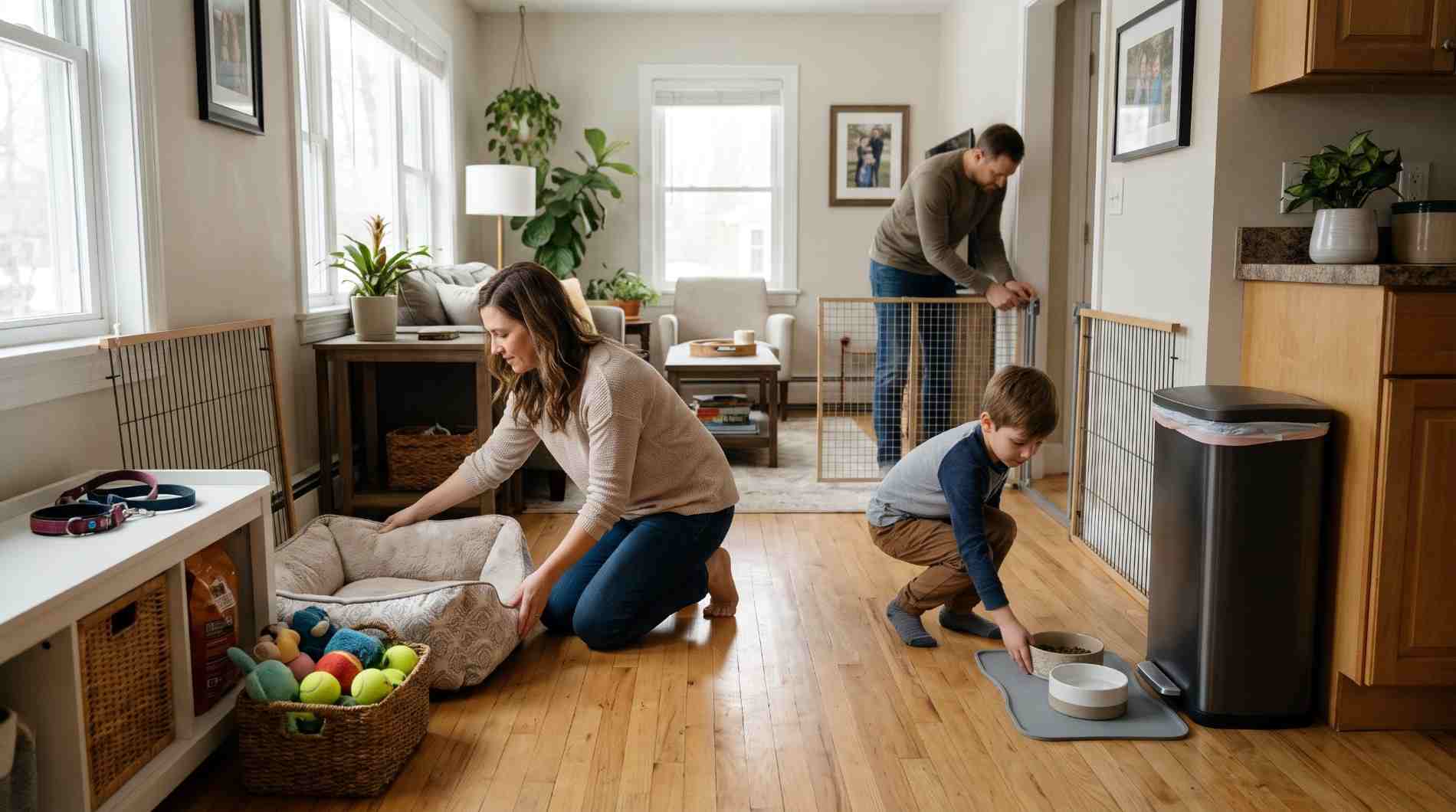
- Secure gates and fences. Check for loose panels, broken latches, and gaps your pet could squeeze through. A secure yard helps prevent both theft and accidental escapes.
- Use a leash in public. A properly fitted leash gives you greater control around unfamiliar people and busy areas. Choose equipment suited to your dog’s size and behavior.
- Avoid leaving pets alone in vehicles. Even when the weather seems comfortable, vehicles can become dangerous quickly. An unattended pet may also be vulnerable to theft.
- Be thoughtful about online posts. Sharing cute photos is part of the fun of having a pet, but avoid posting real-time details that reveal when your home is empty or where your animal can be found alone.
These precautions won’t eliminate every risk, but they can reduce opportunities for someone to take your companion.
How Can Identification Help Protect Your Pet?
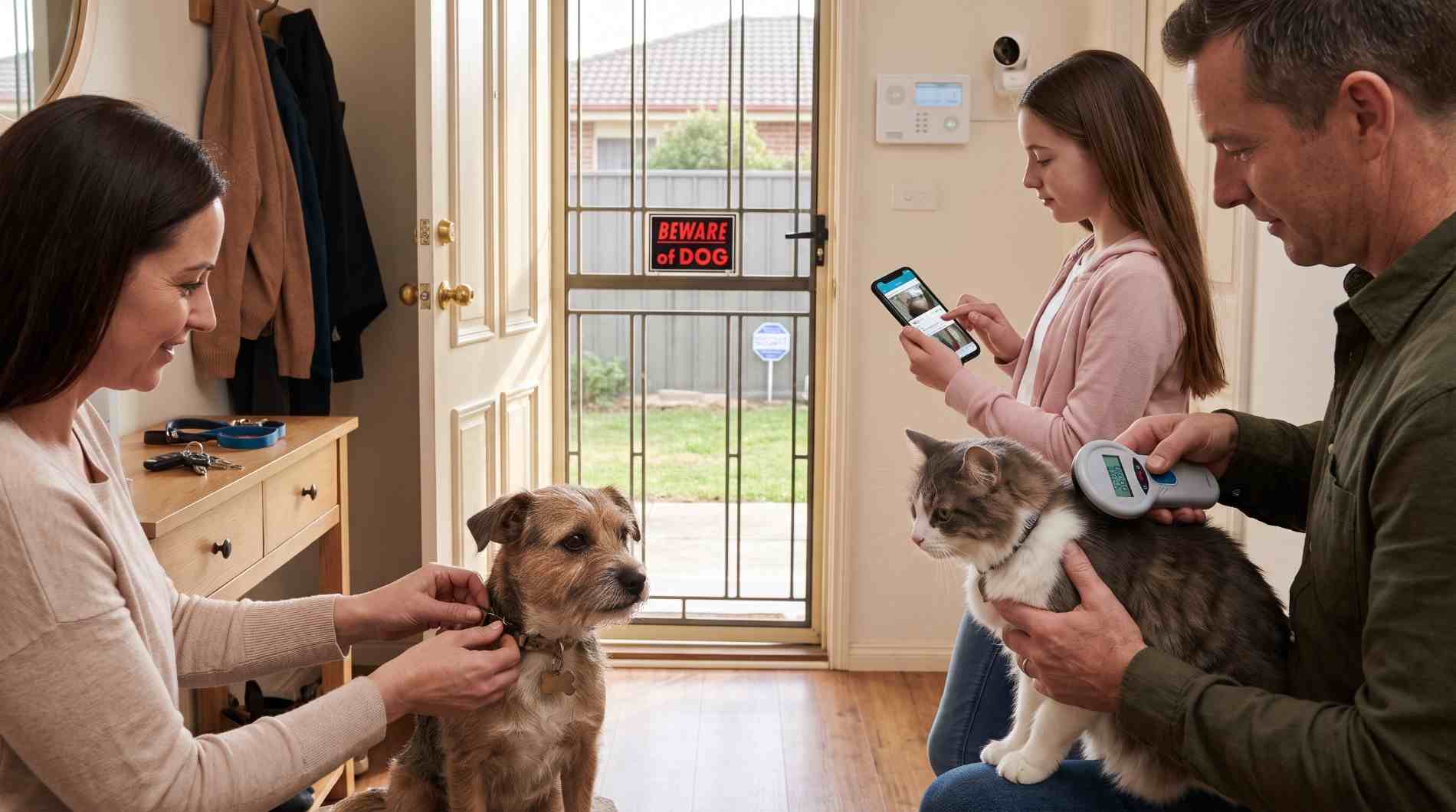
A collar tag and a microchip give your pet two forms of identification. If someone finds your dog or cat, a visible tag provides a quick way to contact you. A microchip offers a more permanent form of identification if the collar is lost.
Make sure your contact information is current in the microchip registry. Keep recent photographs of your pet, including clear pictures of distinctive markings, and save veterinary records or adoption documents that help establish ownership.
Remember that a microchip is an identification device, not a GPS tracker. It can’t show you where your pet is in real time.
What Should You Do If You Suspect Your Pet Has Been Stolen?
Act quickly if your pet disappears under suspicious circumstances.
- Check nearby hiding places and contact neighbors to rule out an accidental escape.
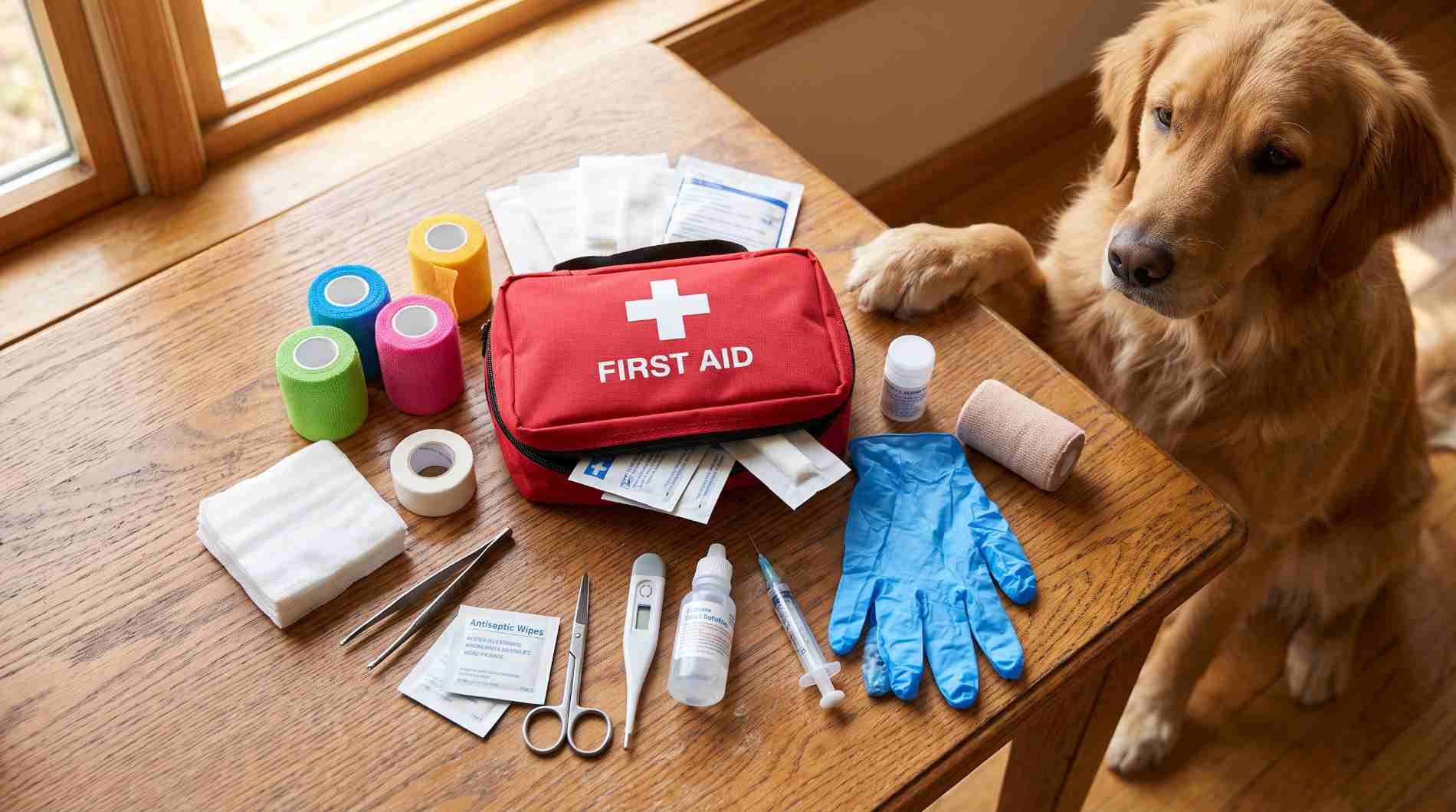
- Gather recent photos, a written description, microchip details, and proof of ownership.
- Report the suspected theft to your local police and relevant animal welfare authorities.
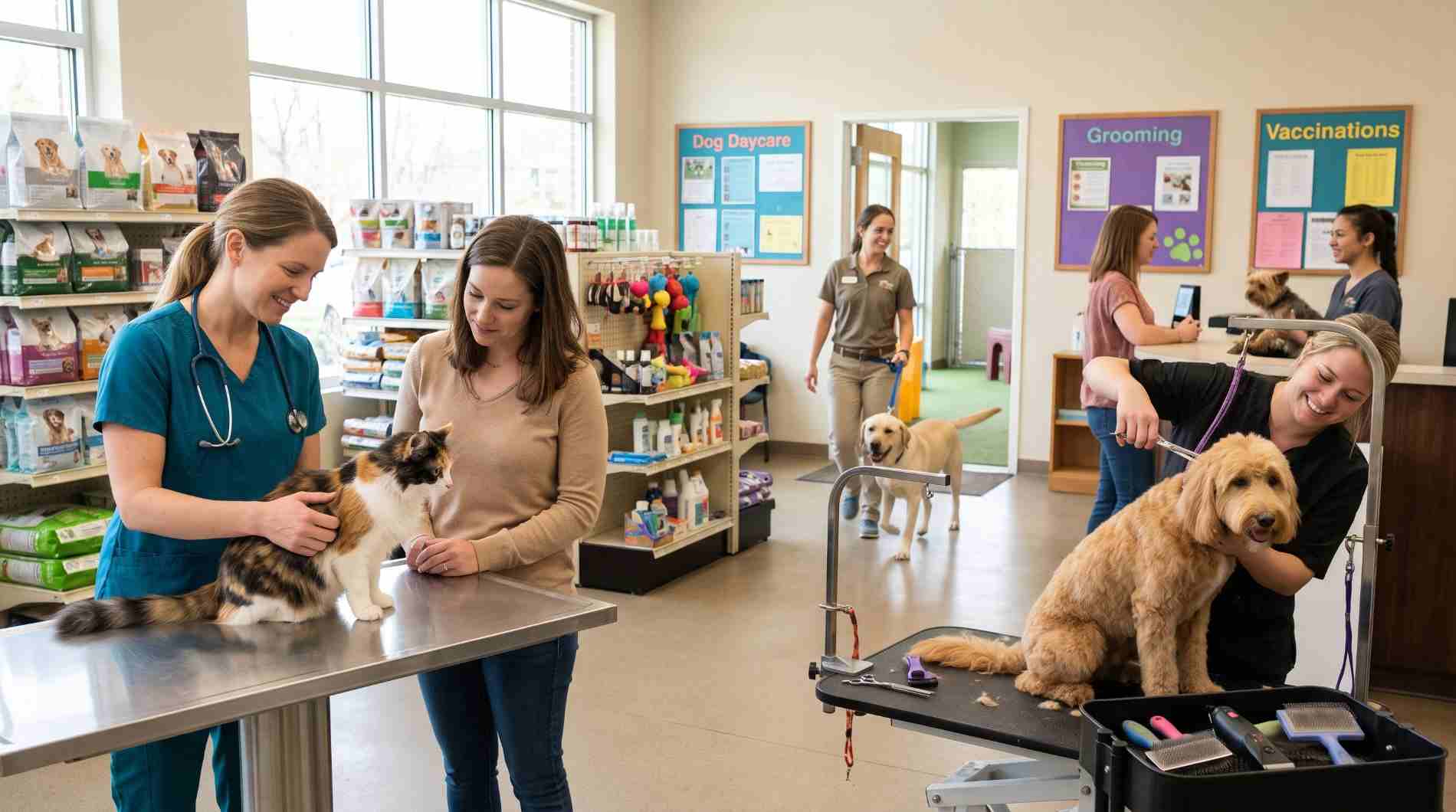
- Alert nearby veterinary clinics, shelters, and community groups. Share a clear notice through social media, but keep some identifying details private so you can verify ownership claims.
- Save messages, listings, or other evidence that could help authorities investigate.
Take Our Course: “Preventing Pet Theft”
Want to feel more prepared to protect your furry family member?
The Preventing Pet Theft course from Animal Wellness Academy offers an opportunity to learn more about keeping pets safe, recognizing situations that may put them at risk, and taking practical precautions as a responsible pet parent.
Frequently Asked Questions
How can I prevent someone from stealing my dog?
Supervise your dog outdoors, use a leash in public, secure your yard, and never leave your dog unattended outside a store or in a parked vehicle. Keep identification details current.
Can a microchip track a stolen pet?
No. A microchip stores a unique identification number that can be read with a compatible scanner. It doesn’t provide GPS tracking.
What should I do if I think my cat has been stolen?
Search nearby areas, contact neighbors and local animal shelters, gather proof of ownership, and report suspected theft to the police. Share notices through local community networks.
Does a collar tag provide enough protection?
A collar tag helps someone contact you if your pet is found, but collars can come off. Combining a current ID tag with a registered microchip provides an additional layer of identification.