
Having your dog or cat undergo sedation or anesthesia can be scary. But it’s often important to her medical care. Veterinarians use both to keep animals calm, pain-free, and safe during procedures ranging from surgery to dental work. The main difference between sedation vs anesthesia in dogs and cats is how deeply they affect consciousness.
“Very light sedation may look like a sleepy pet that’s still sitting up and responding to you,” explains Dr. Courtney Baetge. She’s the clinical associate professor at the Texas A&M College of Veterinary Medicine and Biomedical Sciences.
“With deep sedation, the pet may lie down and no longer respond to sounds or light touch,” she adds. Deep sedation can resemble anesthesia. However, your dog or cat should still respond to firm touch. She should also be able to breathe and independently maintain a steady heart rate.
“Sedation and anesthesia are not completely separate,” says Dr. Baetge. “They’re part of the same process. The same types of drugs can be used in different amounts depending on how deeply the pet needs to relax. When a pet no longer responds even to strong stimulation, that’s when they’ve reached the level of anesthesia.”
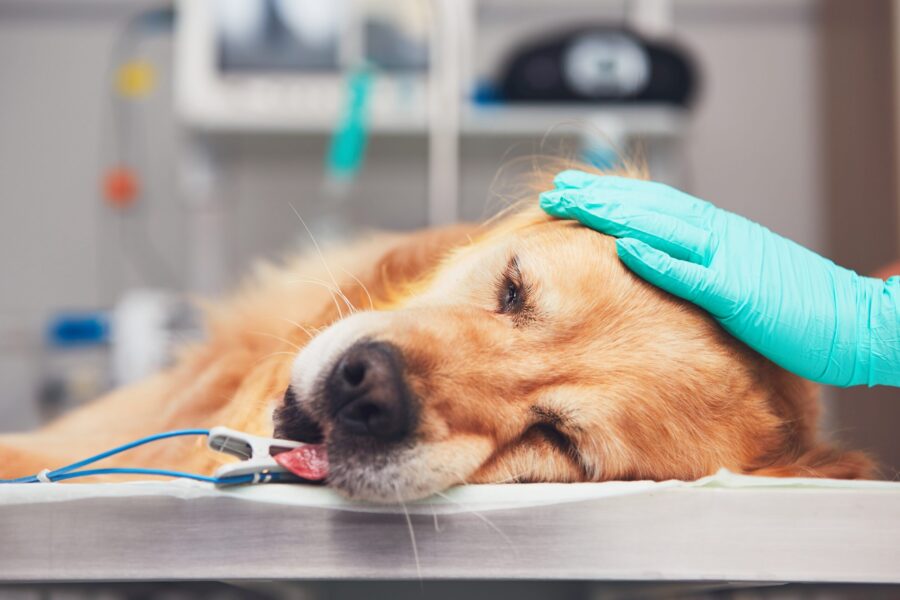
When a dog or cat goes beyond deep sedation, veterinarians provide additional support. This includes an airway tube, IV catheter, and close monitoring of heart rate, breathing, and blood pressure.
Light sedation is easier on the animal, but anesthesia allows veterinarians to safely perform longer or more invasive procedures. Because full anesthesia involves more medication, your dog or cat may take longer to recover. She could experience temporary grogginess or mild nausea.
Following your veterinarian’s guidance on sedation vs anesthesia in dogs and cats ensures your animal stays safe, comfortable, and recovers smoothly after any procedure.