
When your feline companion is diagnosed with anemia, you might wonder how you can help through their diet. While proper nutrition plays an important role in supporting cats with anemia, it’s essential to understand that food therapy should always work alongside your veterinarian’s treatment plan, not replace it.
Understanding Anemia in Cats
Anemia happens when your cat doesn’t have enough healthy red blood cells to carry oxygen throughout their body. This can make them feel tired, weak, and less interested in their usual activities. The causes of anemia vary widely, from chronic diseases to nutritional deficiencies, which is why working closely with your veterinarian is crucial.
Key Nutrients for Anemic Cats
Iron is one of the most important nutrients for building healthy red blood cells. However, cats process iron differently than humans do, so never give your cat human iron supplements without veterinary guidance. Instead, focus on high-quality protein sources that naturally contain iron.
Protein is essential for red blood cell production. Cats need animal-based proteins like chicken, turkey, and fish. These proteins contain the amino acids your cat’s body uses to create new blood cells.
B Vitamins, especially B12 and folic acid, support healthy blood cell formation. These vitamins are found naturally in meat-based diets.
Vitamin E helps protect red blood cells from damage and supports overall health.
Safe Food Choices
Choose high-quality commercial cat foods that meet AAFCO (Association of American Feed Control Officials) standards. Many veterinarians recommend prescription diets specifically formulated for cats with anemia. These diets are carefully balanced to support recovery without causing additional problems.
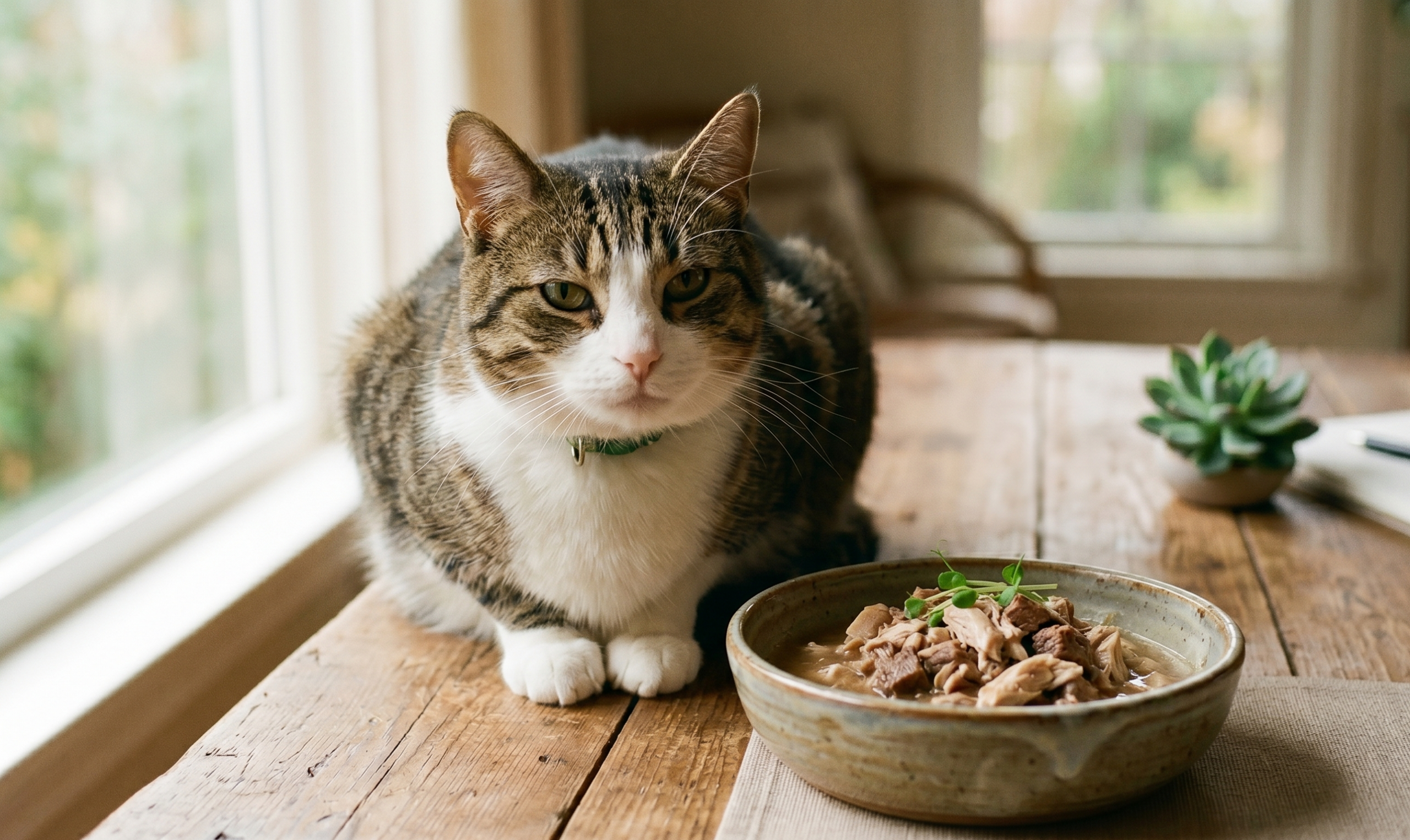
If you’re considering adding fresh foods to your cat’s meals, remember the 10% rule: no more than 10% of their daily calories should come from extras, or you might unbalance their nutrition. Safe additions might include small amounts of cooked chicken or turkey (without seasoning).
Foods to Avoid
Never feed your cat onions, garlic, chives, leeks, or shallots in any form. These foods can cause severe anemia in cats, even in small amounts. They damage red blood cells and can lead to serious health problems.
Every cat’s situation is different. Your veterinarian can recommend the best dietary approach based on what’s causing your cat’s anemia, their overall health, and any other conditions they might have. Regular check-ups will help monitor your cat’s progress and adjust their nutrition plan as needed.
Remember, while nutrition is an important part of managing anemia, it’s just one piece of the puzzle. Always consult your veterinarian before making any dietary changes for your anemic cat.