Your pet seems off, but you can’t quite put your finger on what’s wrong. Those subtle signs of illness in dogs or a cat acting different not sick often leave you wondering if it’s time to call the vet or just watch a little longer. This checklist will help you spot early changes and guide you through calm, holistic pet care steps that protect your animal’s wellness. Keep reading to learn how to act confidently before your next vet visit.
Recognizing Subtle Behavior Changes
Spotting early behavior changes in your pet can be tricky. Yet, it’s crucial for addressing potential health issues before they escalate. Let’s dive into the signs you should watch for in your furry companions.
Common Signs Your Pet Seems Off
Pets often communicate their discomfort in ways that aren’t always obvious. For instance, have you noticed a change in your dog’s energy level or a shift in your cat’s grooming habits? These could be early signs of distress. If your dog suddenly sleeps more or your cat hides more often, it might be time to pay closer attention. Think about when your dog plays less, or your cat seems jumpier than usual. These are not just quirks—they can signal underlying concerns.
Understanding Feline Behavior Changes
Cats are notorious for masking their discomfort. A cat acting different not sick can be perplexing, yet subtle shifts in behavior might indicate issues that need attention. Watch for changes in your cat’s litter box habits or appetite. If you notice your feline is eating less or avoiding their favorite perch, these are potential red flags. Paying attention to these details can make a world of difference in maintaining your cat’s health.
Identifying Subtle Signs of Illness in Dogs
Dogs are expressive, yet they too have subtle ways of showing discomfort. A dog might still eat and drink normally, but if they seem less playful or more withdrawn, it could be a sign of something more serious. Dog lethargy is often dismissed, but it’s a cue that should never be ignored. Noticing your dog isn’t wagging its tail as often? This could be an early warning. Keep a close eye on these signs to help you decide when it’s time to seek further help.
Holistic Pet Care Assessment

Taking a holistic approach to pet care means considering every aspect of your animal’s well-being. This assessment can help you create a personalized plan for your pet’s health.
Creating a Pet Wellness Checklist
A personalized pet wellness checklist is a powerful tool. Start with a list of behaviors that are normal for your pet, like energy levels and eating habits. Regularly update this list to spot deviations quickly. Include checks for their coat condition and any changes in weight. With this checklist, you can more confidently monitor your pet’s health and make informed decisions about their care.
Natural Pet Health Practices
Embracing natural health practices can bolster your pet’s well-being. Consider incorporating activities like gentle exercise and a balanced diet tailored to your pet’s needs. Did you know that herbs like chamomile can help calm anxious pets? These small changes can significantly enhance their quality of life. A focus on natural care practices ensures that you are supporting your pet in the best way possible.
When to Call the Vet
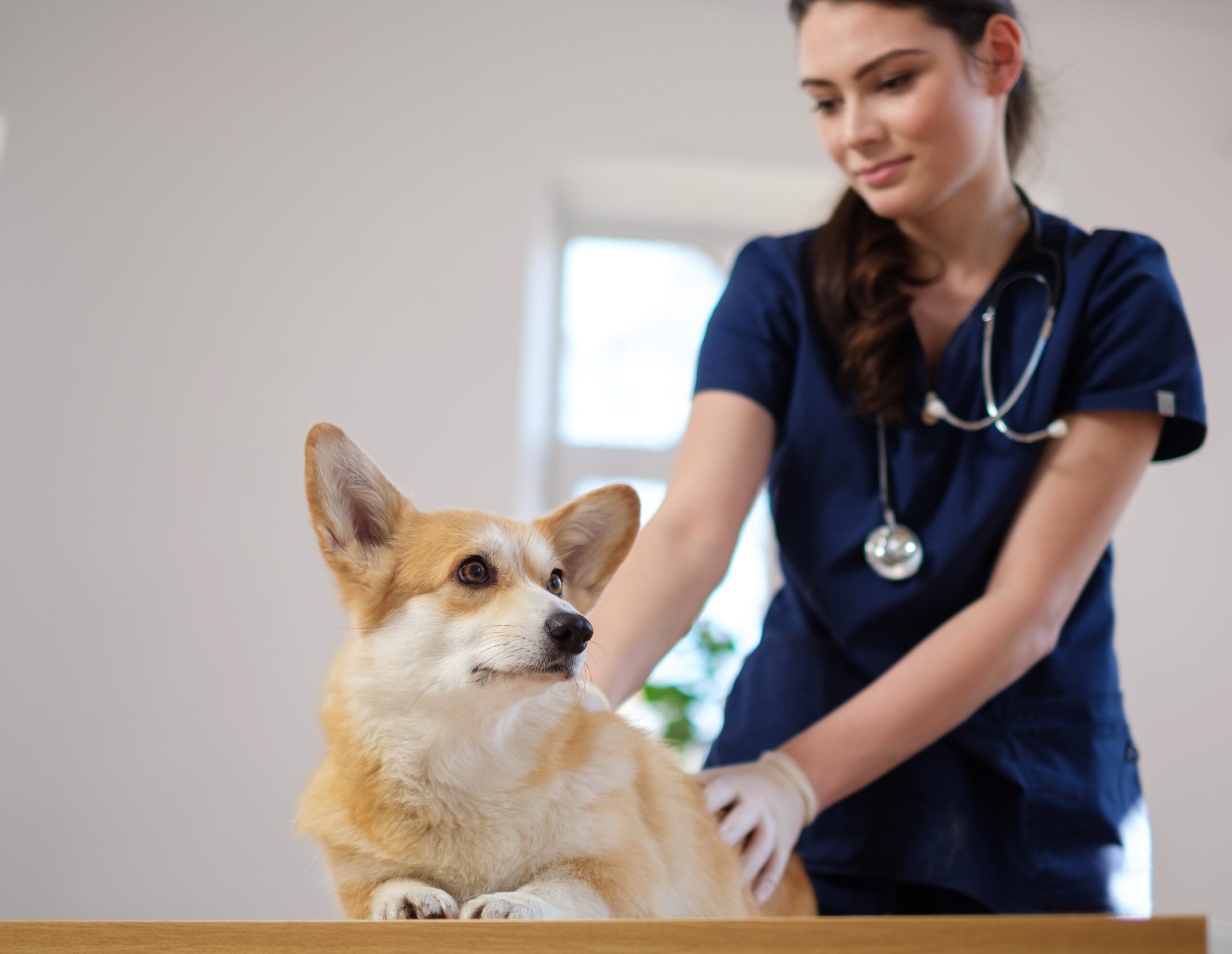
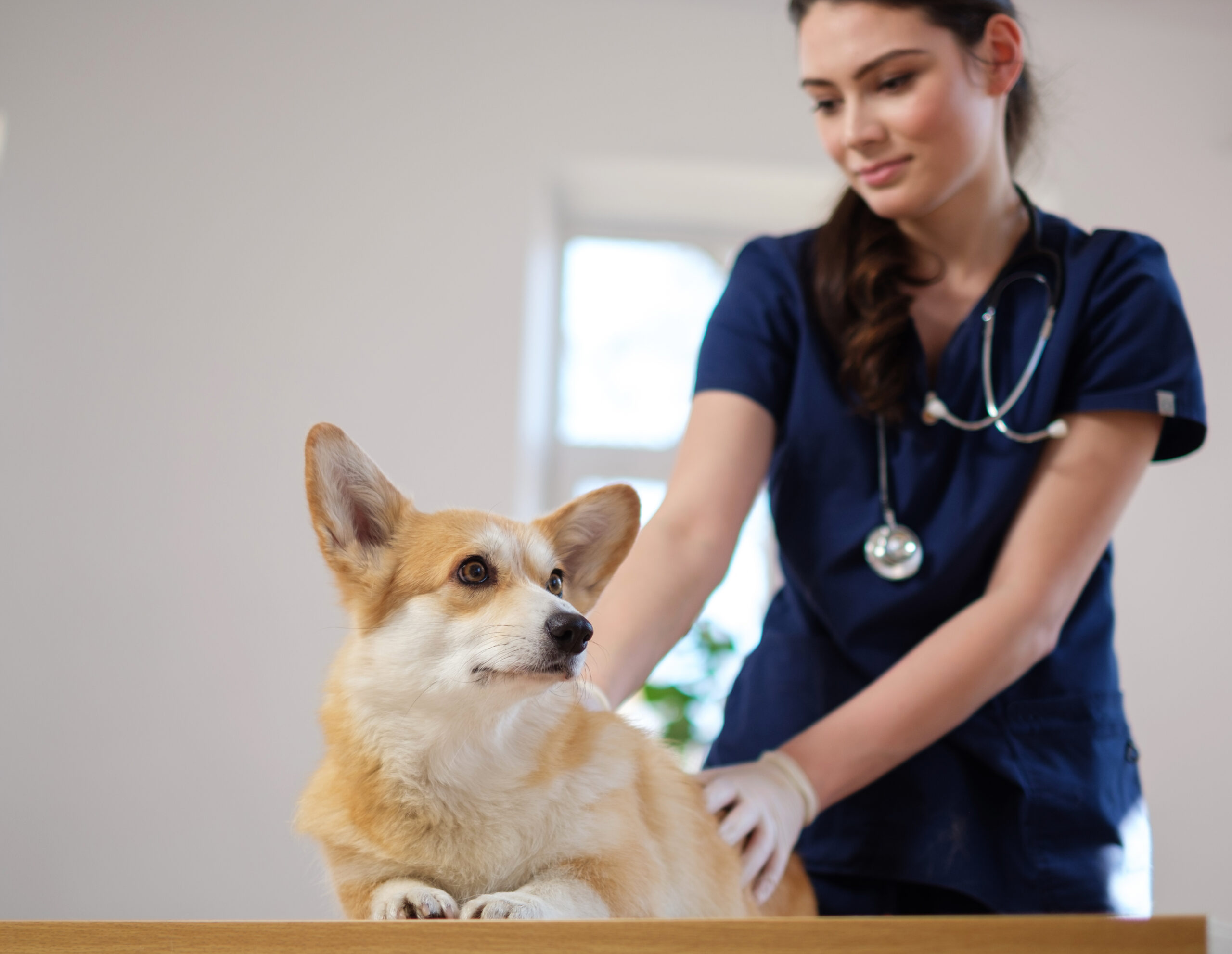
Identifying the right time to call the vet is key. If your pet’s behavior changes persist despite your interventions, it’s time to seek professional advice. Resources like this guide on pet lethargy can help you determine whether a visit is necessary. Remember, it’s always better to err on the side of caution. A quick vet consultation could save you—and your pet—a lot of stress down the road.
Empowering Pet Owners Through Education

Education is your best tool for ensuring your pet leads a healthy life. By expanding your knowledge, you can provide better care and even help other pet owners.
Benefits of Animal Wellness Certification
Obtaining an animal wellness certification can empower you to make informed decisions about your pet’s health. With certifications, you can learn about topics ranging from holistic health to behavior management. This knowledge not only benefits your pets but also boosts your confidence in handling various health scenarios.
Pet First Aid and Nutrition Courses
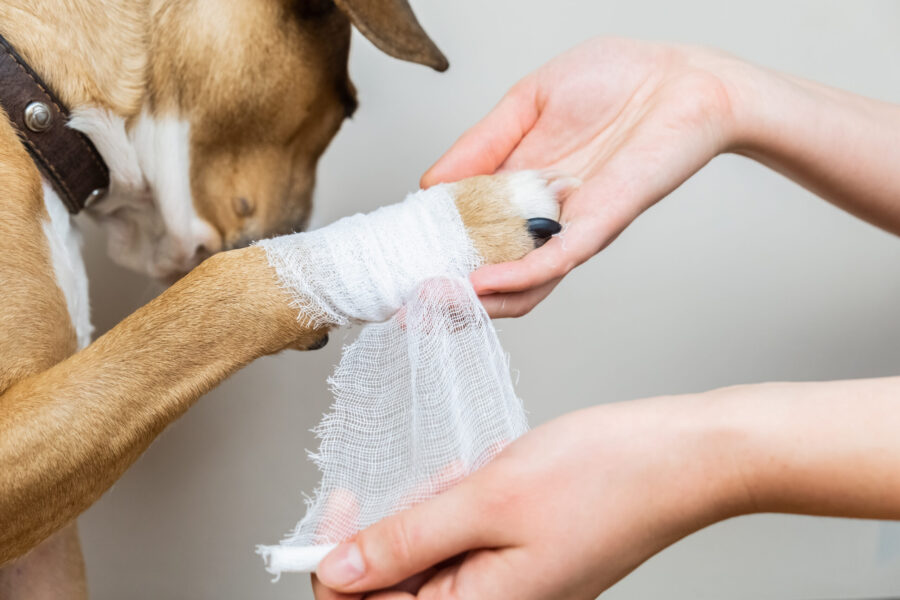
Courses on pet first aid and nutrition provide valuable skills. Learn how to perform basic first aid or create a balanced diet plan for your pet. These courses are designed to be accessible and practical, ensuring you can apply what you learn right away. Equip yourself with these skills to offer better care and make a tangible difference in your pet’s life.
Joining the Animal Wellness Academy Community
Becoming part of the Animal Wellness Academy means joining a supportive community of pet lovers. Here, you can share experiences, gain insights, and find encouragement from others committed to animal wellness. This community offers a space for continuous learning and sharing, helping you stay connected and informed about the latest in pet care.
In summary, understanding the subtle signs that your pet seems off is crucial for their well-being. By embracing holistic care and educating yourself, you can provide the best support for your beloved animal companions.