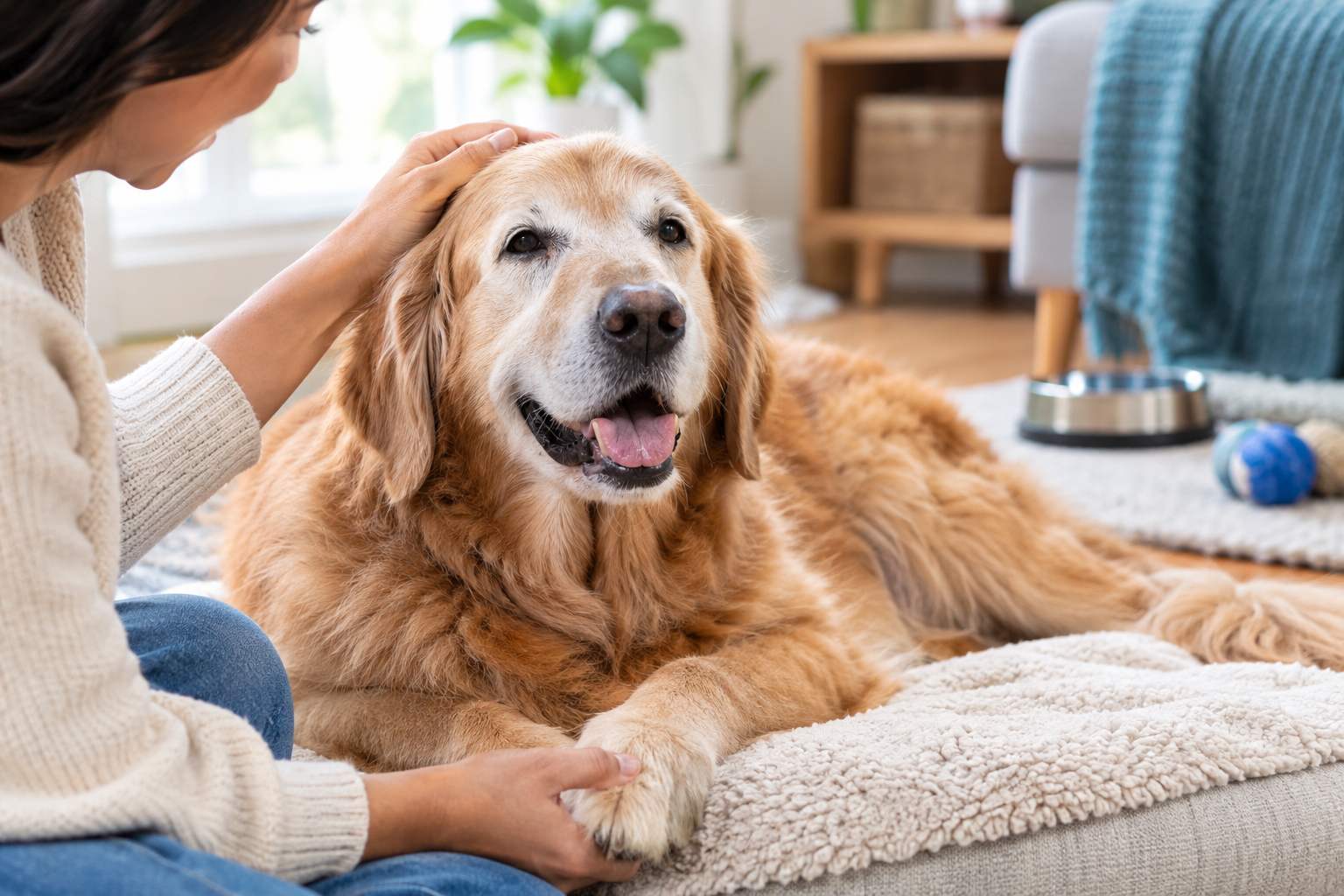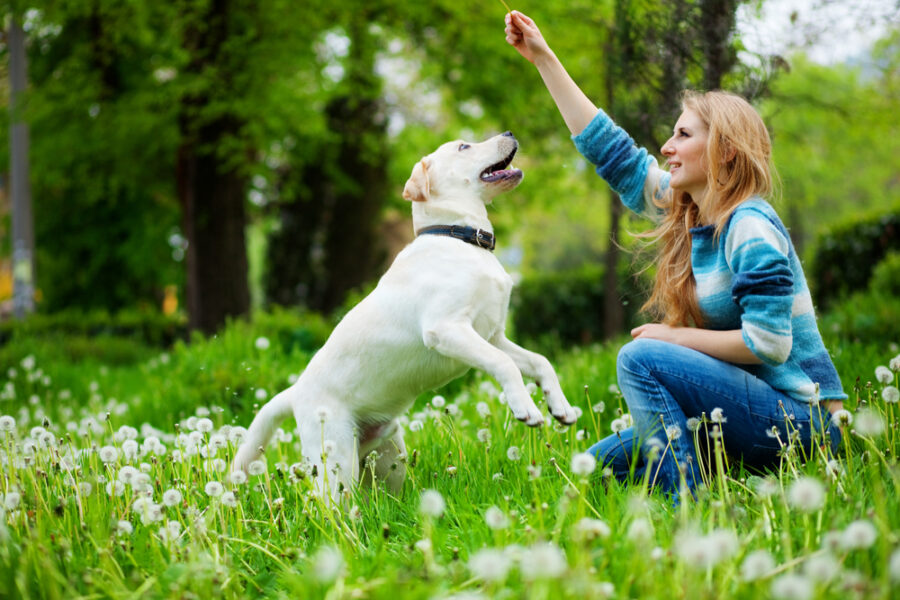
The bond between dogs and their owners is a fascinating topic that has captured the attention of researchers and animal enthusiasts alike. Recent studies have revealed that dogs exhibit human-like attachment behaviors that are similar to the infant-mother bond. However, the origin of this unique attachment remains unclear. In this blog post, we will explore the findings of a comparative study that aimed to shed light on the genetic and environmental factors influencing the dog-owner attachment.
The Strange Situation Test
The researchers in this study used the Strange Situation Test, a well-established method for assessing attachment behaviors in various species. It involves observing the behaviors of young animals when exposed to their owner and a stranger while in an unfamiliar environment. By comparing the behaviors of companion pigs and dogs during this test, the researchers sought to uncover the underlying factors that contribute to the dog-owner attachment.
Behavioral Differences Between Pigs and Dogs
The results of the study revealed striking differences between companion pigs and dogs. While the pigs did not exhibit distinct behaviors towards their owners and a stranger, dogs demonstrated clear attachment-specific behaviors. Three key factors were identified: Attachment (to the owner), Anxiety (in a strange situation), and Acceptance (of a stranger). Dogs scored significantly higher on the Attachment factor, indicating a stronger bond with their owners as compared to companion pigs.
Genetic Influence vs. Early Exposure
Interestingly, the pigs showed greater Acceptance scores, suggesting that early exposure to human social stimuli during domestication did not trigger attachment behaviors in these animals. This suggests the unique dog-owner attachment is not solely a result of general domestication, but rather a product of artificial selection that has increased dogs’ dependence on humans.
Attachment and Anxiety
The study also revealed a positive correlation between Attachment and Anxiety in both pigs and dogs. This indicates the attachment behaviors observed in these animals are not just the result of a strong bond, but also involve an element of anxiety when separated from their owners or placed in an unfamiliar situation.
Enhanced Understanding of Dog-Owner Attachment
The findings of this study have important implications for our understanding of the evolution and development of dog-owner attachment. They suggest that, in addition to species-specific predispositions, the unique bond between dogs and their owners has been facilitated by selective breeding that has increased canine dependence on humans. Further research in this area could shed light on the specific genetic and neurobiological mechanisms underlying this fascinating phenomenon.