
Why Is My Dog Aggressive Around Food? What Dog Parents Should Know
Your dog may be sweet, playful and affectionate most of the day, then growl when you reach toward their food bowl. That can be unsettling, especially if you aren’t sure what caused the behavior or what you should do next.
Food aggression is commonly connected to resource guarding, a behavior in which a dog tries to protect something they consider valuable. Food is an obvious one, but dogs can guard other resources, too.
TL;DR: Food aggression in dogs can look like growling, snapping, or other defensive behavior around meals. It deserves attention, but punishment isn’t the answer. Learning why your dog guards food and how to approach behavior modification can help you respond more thoughtfully. If you want practical guidance on the subject, check out our Food Aggression in Dogs and What to Do About It course to learn more about the behavior and steps you can take to modify it.
What Does Food Aggression Look Like?
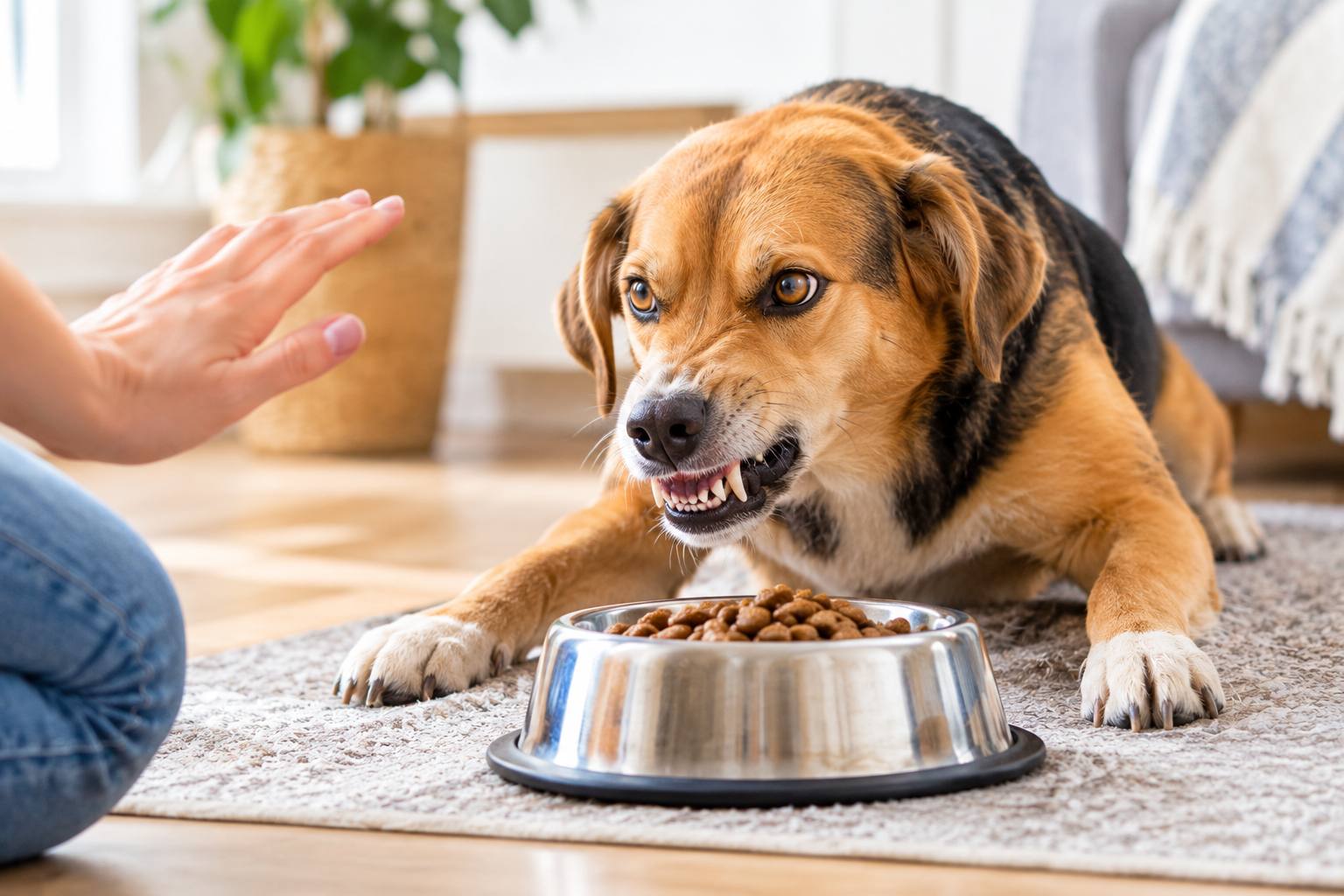
Food aggression isn’t always an obvious bite or lunge.
A dog might stiffen when someone approaches their bowl, stare, growl, show their teeth, or snap if they feel their food is being threatened. Some dogs may simply eat faster or position their body between the food and the person approaching.
Those signals matter.
A growl isn’t your dog being “bad.” It’s communication. Your dog is telling you they’re uncomfortable with what’s happening around a resource they value. Ignoring that warning can make an already stressful situation harder to manage.
Why Do Dogs Guard Their Food?
There isn’t one explanation that fits every dog.
Resource guarding can be influenced by a dog’s individual temperament, experiences, and circumstances. A dog may have learned that people approaching their food means the food could disappear. Another may simply have a strong tendency to guard valuable resources.
That means your first step shouldn’t be trying to “show your dog who’s boss.”
Instead, pay attention to what happens before the guarding behavior appears. Who approaches the bowl? How close do they get? Does your dog react only during meals or around treats and other prized items too?
Those details can help you understand the situation.
Should You Take Your Dog’s Food Bowl Away?
Probably not as a way to test your dog or prove a point.
Repeatedly taking food away can create more tension around meals, particularly if your dog already feels protective of their bowl. The goal should be to change the dog’s response to people being nearby, not create more reasons for the dog to worry.
Safety comes first, too. Don’t put your hands near a dog’s food simply to see what they’ll do.
If your dog has already snapped or bitten, or if the behavior is escalating, seek help from a qualified veterinary or behavior professional rather than trying to handle a serious case on your own.
How Can You Help a Dog With Food Aggression?
Start by avoiding situations that trigger the behavior while you learn more about what’s happening.
That may mean giving your dog space while they eat, keeping children away from the feeding area, and making mealtimes predictable. Management won’t change the underlying behavior by itself, but it can reduce opportunities for conflict while you work on a plan.
Behavior modification also needs to be approached carefully. What works for one dog may not be appropriate for another.
That’s why understanding the basics of resource guarding can be so useful for dog parents. Once you recognize the signs and understand what may be driving them, you can make better decisions about what to do next.
Take Our Course: “Food Aggression in Dogs and What to Do About It”
Want to understand your dog’s food-related behavior and learn practical steps for addressing it?
Our Food Aggression in Dogs and What to Do About It course explores food aggression, resource guarding, and ways to modify the behavior. The course is designed for pet owners as well as pet professionals and retailers and includes a lesson and quiz.
Frequently Asked Questions
Is food aggression the same as resource guarding?
Food aggression is commonly associated with resource guarding, where a dog protects something they consider valuable. Food is one resource a dog may guard.
Should I punish my dog for growling over food?
Punishing a growl can remove an important warning signal without addressing why your dog feels uncomfortable. Focus on safety and seek appropriate behavior guidance.
Should children approach a dog while it’s eating?
It’s safest to give dogs space while they eat, especially when food guarding is already an issue. Children should not approach or disturb a dog during meals.
Can food aggression be modified?
Yes, behavior modification can be part of addressing food aggression. The right approach depends on the individual dog and the severity of the behavior. The Animal Wellness Academy course covers steps owners can take to modify food aggression.