
Can Dogs Eat Mint? What Dog Parents Should Know
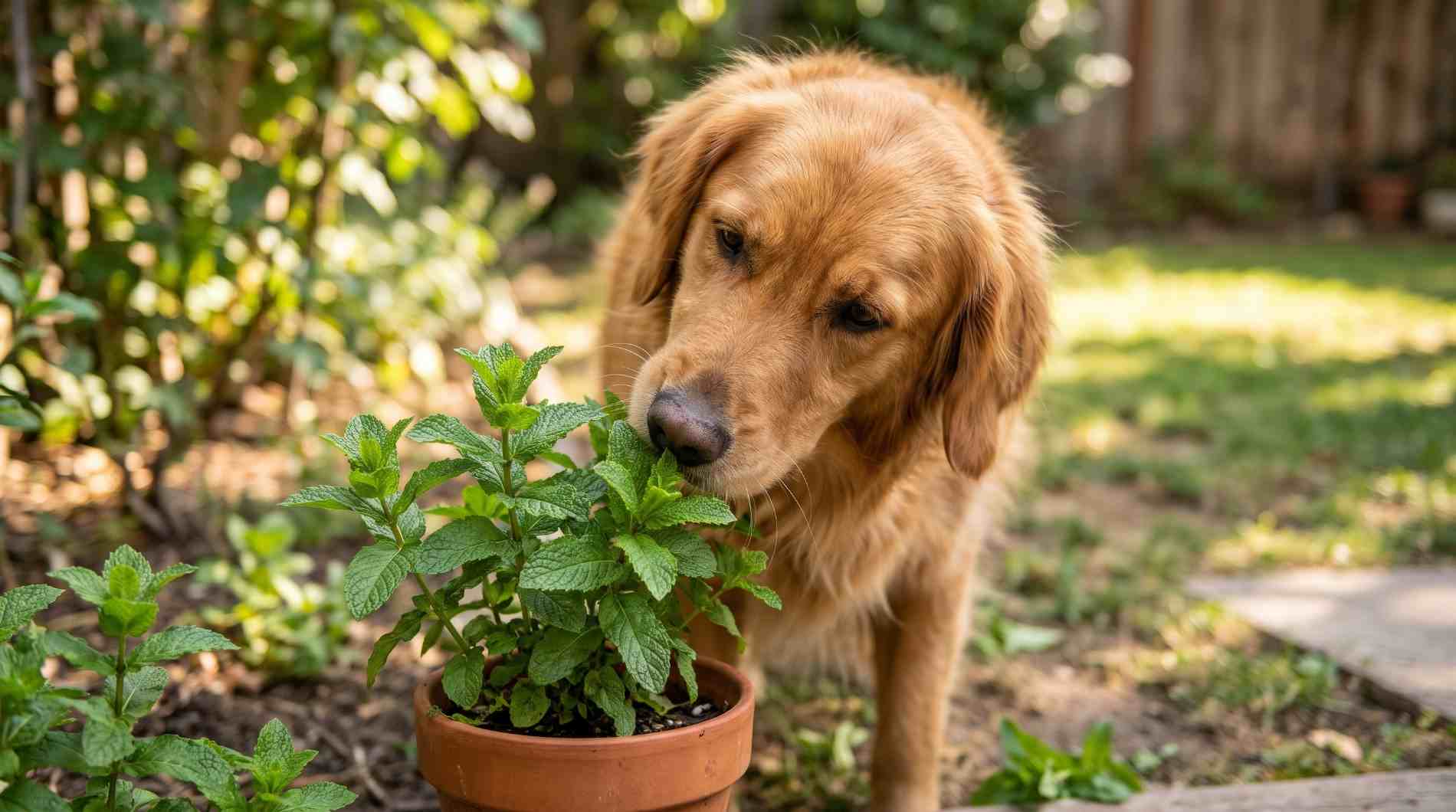
Fresh mint adds a cool, refreshing flavor to human meals, drinks, and desserts. If your dog likes to investigate everything you prepare in the kitchen, you may have wondered whether sharing a little mint is safe. The answer depends on the type of mint, how much your dog eats, and how it’s prepared.
Mint is often discussed as an herb that may have a place in pet care, but not every mint plant or mint-flavored product is suitable for dogs. Before adding this herb to your dog’s routine, it helps to understand the potential risks and what to ask your veterinarian.
TL;DR: Can dogs eat mint? Small amounts of some culinary mint leaves may be tolerated by many dogs, but mint plants can also cause digestive upset, and certain varieties and concentrated oils pose greater risks. Mint candy and gum may contain xylitol, which is highly toxic to dogs. To learn more about the potential uses and precautions surrounding this herb, explore Animal Wellness Academy’s Mint: An Herb You Can Share With Your Dog course.
Is Mint Safe for Dogs?
There isn’t a simple yes-or-no answer for every mint product. Common culinary mint leaves are different from concentrated essential oils, candies, gums, and extracts.
The American Society for the Prevention of Cruelty to Animals (ASPCA) lists mint (Mentha species) as toxic to dogs, cats, and horses because of its essential oils. Large ingestions can cause vomiting and diarrhea. Other veterinary guidance suggests that small amounts of plain peppermint leaves may be tolerated by many healthy dogs, although digestive upset is still possible. ASPCA’s mint safety information is a useful reference for pet parents.
Because mint varieties and individual dogs differ, don’t assume that every plant labeled “mint” is safe to share. Check with your veterinarian before intentionally adding mint to your dog’s food.
What Are the Potential Benefits of Mint for Dogs?
Mint is known for its fresh aroma and flavor. In some dog-specific products, mint may help temporarily mask unpleasant breath. However, a minty smell isn’t the same as good oral health, and persistent bad breath can signal a dental or other medical problem that needs attention.
Mint also contains plant compounds, but their presence alone doesn’t establish that feeding the herb will improve a dog’s health. Evidence for the benefits of mint in dogs is limited, so it shouldn’t be treated as a proven remedy for digestive problems or other conditions.
Learning about herbs means looking at both their traditional uses and the evidence behind them. Animal Wellness Academy’s course offers dog parents a chance to explore mint as an herb and consider how it fits into responsible pet care.
Which Mint Products Should Dog Parents Avoid?
Some of the biggest risks come from products that look harmless because they’re made for people.
- Mint gum and sugar-free candy: These may contain xylitol, a sweetener that can cause dangerously low blood sugar and liver injury in dogs. Check ingredients carefully and keep these products out of reach.
- Concentrated mint essential oils: Essential oils are much more concentrated than fresh leaves and can be harmful if swallowed or improperly applied. Don’t give them to your dog without specific veterinary direction.
- Unknown mint plants: Some plants called mint, including pennyroyal, can be toxic. Never let your dog sample an unidentified herb.
- Large amounts of mint leaves: Even familiar culinary varieties can cause digestive upset when eaten in excess.
If your dog eats a product containing xylitol or gets into concentrated essential oil, contact a veterinarian or animal poison-control service immediately. Don’t wait for symptoms to appear.
How Can You Explore Herbs Safely With Your Dog?
Start by discussing your dog’s health, diet, and any medications with your veterinarian before introducing an herb. This is especially important if your dog has an ongoing health condition or follows a prescription diet.
Keep your dog’s main meals complete and balanced, and don’t use herbs in place of veterinary treatment. If your dog develops vomiting, diarrhea, unusual weakness, or other concerning signs after eating mint, seek veterinary advice.
Take Our Course: “Mint: An Herb You Can Share With Your Dog”
Want to understand more about mint and its place in your dog’s life?
Animal Wellness Academy’s Mint: An Herb You Can Share With Your Dog course gives dog parents an opportunity to learn more about this familiar herb, its potential uses, and the considerations that matter when exploring herbs for canine care.
Frequently Asked Questions
Can dogs eat fresh mint leaves?
Some dogs may tolerate small amounts of common culinary mint, but mint can also cause digestive upset. The ASPCA lists Mentha species as toxic to dogs, so ask your veterinarian before offering it intentionally.
Is peppermint oil safe for dogs?
Concentrated peppermint essential oil can be harmful to dogs. Don’t give it orally or apply it to your dog without specific veterinary guidance.
Can mint help with a dog’s bad breath?
Mint may temporarily mask breath odor in some products, but it doesn’t treat the underlying cause of persistent bad breath. Ask your veterinarian about dental care if your dog’s breath is consistently unpleasant.
What should I do if my dog eats mint gum?
Check the ingredients for xylitol and contact your veterinarian immediately if it is present or you’re unsure. Xylitol poisoning can be life-threatening, and prompt veterinary care is essential.