

Manganese Deficiency and CCL Disease in Dogs: What Should Dog Parents Know?
Watching your dog limp, struggle to stand, or hesitate before jumping onto the sofa can be worrying. One possible cause is cranial cruciate ligament (CCL) disease, a common knee problem in dogs that can lead to pain, joint instability, and arthritis.
Nutrition is one part of your dog’s overall health, and manganese is a mineral that helps the body maintain healthy connective tissue. But can a lack of manganese contribute to CCL disease? Understanding what this mineral does, what researchers know about ligament problems, and how to support your dog’s joint health can help you make more informed decisions.
TL;DR: Manganese supports normal connective tissue development, but CCL disease in dogs has multiple potential contributing factors, including genetics, body weight, joint structure, and degenerative changes. A balanced diet helps meet your dog’s nutritional needs, while limping or knee pain requires veterinary attention. Animal Wellness Academy’s Manganese Deficiency and CCL Disease in Dogs course offers a way to explore the relationship between nutrition and canine ligament health.
What Is CCL Disease in Dogs?
The cranial cruciate ligament helps stabilize a dog’s knee, also called the stifle joint. When this ligament weakens or tears, the joint can become unstable, making walking and other everyday activities painful.
Unlike a sudden injury caused by a significant accident, many CCL problems develop gradually as the ligament undergoes degenerative changes. Several factors may contribute, including genetics, body conformation, inflammation, and body weight. Research reviews describe canine CCL disease as a complex condition rather than a problem with one single cause. Read this review of canine CCL disease.
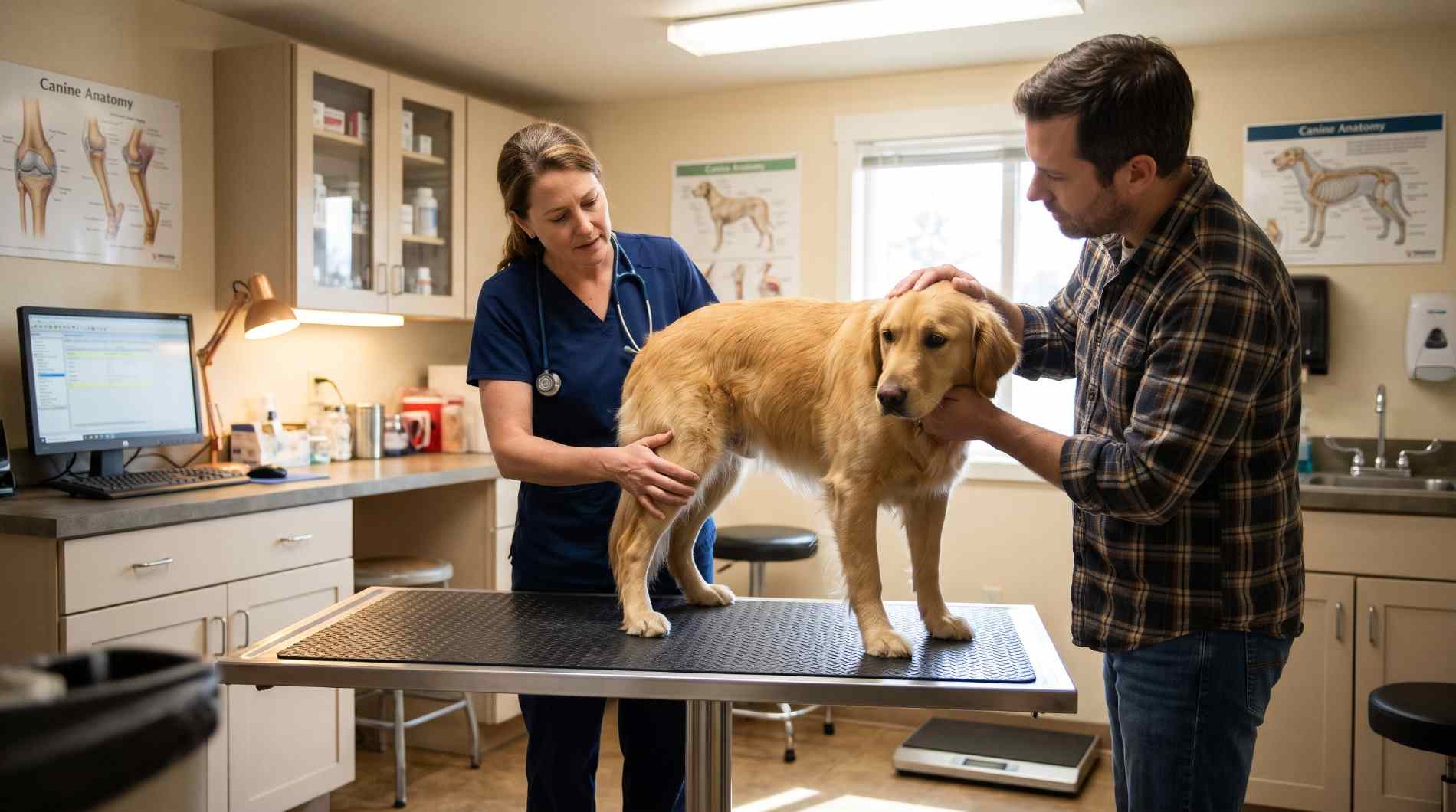
Signs can include limping, difficulty rising, reduced willingness to exercise, or carrying a hind leg differently. If you notice these changes, arrange a veterinary examination. Early assessment can help identify the problem and guide treatment.
Why Does Manganese Matter for Dogs?
Manganese is an essential trace mineral that supports several functions in the body, including the activity of enzymes involved in metabolism and the formation of connective tissue.
Connective tissue helps support structures throughout the body, including cartilage and ligaments. Because these tissues depend on normal nutrient availability, getting the right amount of manganese is part of maintaining overall health.
However, the role of manganese in connective tissue does not prove that manganese deficiency causes CCL disease in an individual dog. CCL disease has several recognized contributing factors, and the relationship between a dog’s manganese intake and ligament health requires careful interpretation.
Can Manganese Deficiency Cause CCL Disease?
Manganese deficiency is a nutritional concern, particularly when a dog’s diet is unbalanced or does not meet their needs. Animal Wellness Academy’s course explores the proposed connection between manganese deficiency and CCL disease, giving pet parents an opportunity to learn more about this topic.
Still, it’s important not to assume that every dog with a ligament problem has a mineral deficiency. Nor should dog parents assume that adding manganese will prevent a ligament tear or repair an existing injury.
A review of the causes of canine CCL disease describes multiple possible influences, including genetic, structural, environmental, inflammatory, and degenerative factors. Nutrition is worth discussing with your veterinarian, but it is not a substitute for diagnosing and treating a knee problem.
How Can You Support Your Dog’s Nutritional and Joint Health?
Start with a complete and balanced diet appropriate for your dog’s life stage and health needs. If you prepare your dog’s meals at home, work with a veterinarian or board-certified veterinary nutritionist to ensure the recipe supplies essential nutrients in appropriate amounts.
Avoid adding manganese supplements without veterinary guidance. Excessive supplementation can be harmful, and more of a mineral does not automatically mean healthier joints.
Maintaining a healthy body weight, providing suitable exercise, and seeking veterinary advice when your dog shows signs of pain are also sensible parts of joint care. If CCL disease is diagnosed, your veterinarian can discuss appropriate treatment options, which may include surgery, rehabilitation, or other forms of supportive care depending on your dog’s condition.
Take Our Course: “Manganese Deficiency and CCL Disease in Dogs”
Curious about how manganese and nutrition relate to your dog’s ligament health?
Animal Wellness Academy’s Manganese Deficiency and CCL Disease in Dogs course gives dog parents an opportunity to explore this topic and build their understanding of canine nutrition and joint health. Learn more so you can ask informed questions and work with your veterinarian to support your dog’s wellbeing.
Frequently Asked Questions
What does manganese do for dogs?
Manganese is an essential trace mineral that supports enzyme activity, metabolism, and normal connective tissue development. Dogs need an appropriate amount in a complete and balanced diet.
Can manganese supplements prevent CCL disease in dogs?
There is not enough evidence to conclude that manganese supplementation prevents CCL disease in dogs generally. Ask your veterinarian before adding supplements, especially if your dog already eats a complete and balanced diet.
What are the signs of CCL disease in dogs?
Common signs include hind-leg limping, stiffness, difficulty rising, reduced activity, and reluctance to put weight on a leg. A veterinarian can examine your dog and recommend appropriate diagnostic tests.
What should I do if my dog is limping?
Limit strenuous activity and contact your veterinarian for an assessment. Avoid trying to treat a suspected ligament injury with dietary supplements alone, since your dog may need specific treatment for pain and joint instability.