
Is a Raw Diet Right for Your Dog or Cat?
Raw feeding has become a popular topic among pet parents who want to take a closer look at what goes into their dog or cat’s bowl. But switching from processed food to raw food takes more thought than simply adding raw meat to a meal.
TL;DR: A raw diet can be one option for feeding dogs and cats, but balance, food quality, preparation, and a careful transition all matter. Want to understand the basics before making a change? Learn more in our Feeding Your Dog or Cat a Raw Diet course.
What is a raw diet for dogs and cats?
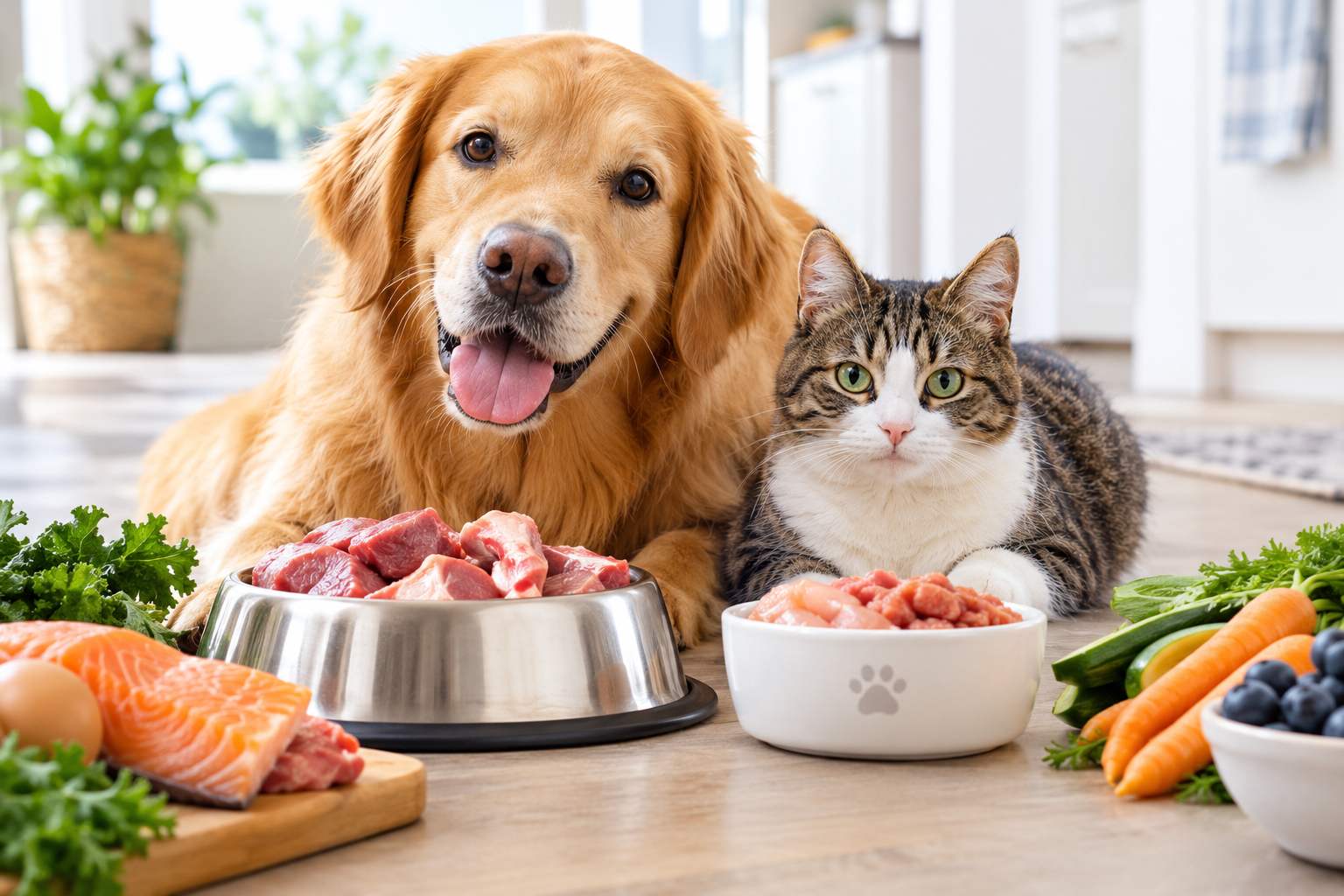
A raw diet generally means feeding uncooked animal-based foods rather than relying entirely on conventional processed pet food. Some pet parents choose commercially prepared frozen or freeze-dried raw diets, while others prepare meals at home.
There isn’t one single raw-feeding recipe that works for every dog or cat. A meal needs to provide appropriate nutrients, not simply contain ingredients that sound healthy.
That’s one reason learning the basics can be useful before making a change.
Can dogs and cats eat a raw diet safely?
The answer depends on how the diet is selected, prepared, and fed, as well as the individual animal.
A major part of responsible raw feeding is understanding what makes a diet nutritionally balanced. The Animal Wellness Academy course covers how to evaluate frozen and freeze-dried raw foods and introduces considerations for formulating balanced home-prepared meals.
It also tackles some of the common myths surrounding raw diets. That can help pet parents separate popular claims from practical considerations before deciding whether raw feeding makes sense for their household.
How do you transition a dog or cat to a raw diet?
Changing your pet’s food suddenly may not be the best approach. A gradual transition gives you an opportunity to pay attention to how your dog or cat responds.
The course walks through step-by-step transition tips, including monitoring your pet’s digestion and overall health along the way. That kind of observation matters. If something changes, you’ll have a better idea of what happened and when.
Your veterinarian can also help you determine whether a dietary change is appropriate for your individual pet, especially if your dog or cat has existing health concerns.
What should you look for in a raw pet food?
The ingredient list is only part of the picture. Pet parents also need to think about whether the food provides appropriate nutrition for their animal and whether the product fits their feeding needs.
Commercial frozen and freeze-dried raw foods can offer convenience, while home preparation gives owners more control over ingredients. Each option comes with its own considerations.
Knowing what questions to ask can make the process less overwhelming.
Take Our Course: “Feeding Your Dog or Cat a Raw Diet”
If you’ve been curious about raw diets but aren’t sure where to start, a little education can go a long way.
Our Feeding Your Dog or Cat a Raw Diet course gives pet owners a closer look at raw-feeding myths, food selection, balanced meals, and transitioning dogs and cats to a new diet.
Frequently Asked Questions
Is a raw diet suitable for both dogs and cats?
The course is designed for both dogs and cats and covers considerations for feeding each species a raw diet.
Can I prepare a raw diet at home?
Yes, home-prepared raw meals are one option discussed in the course. The focus includes how to formulate balanced meals rather than simply feeding individual raw ingredients.
Are frozen and freeze-dried raw foods covered?
Yes. The course covers how to select high-quality frozen or freeze-dried raw foods.
How should I transition my pet to a raw diet?
The course includes step-by-step tips for transitioning your dog or cat while monitoring their health and digestion.