

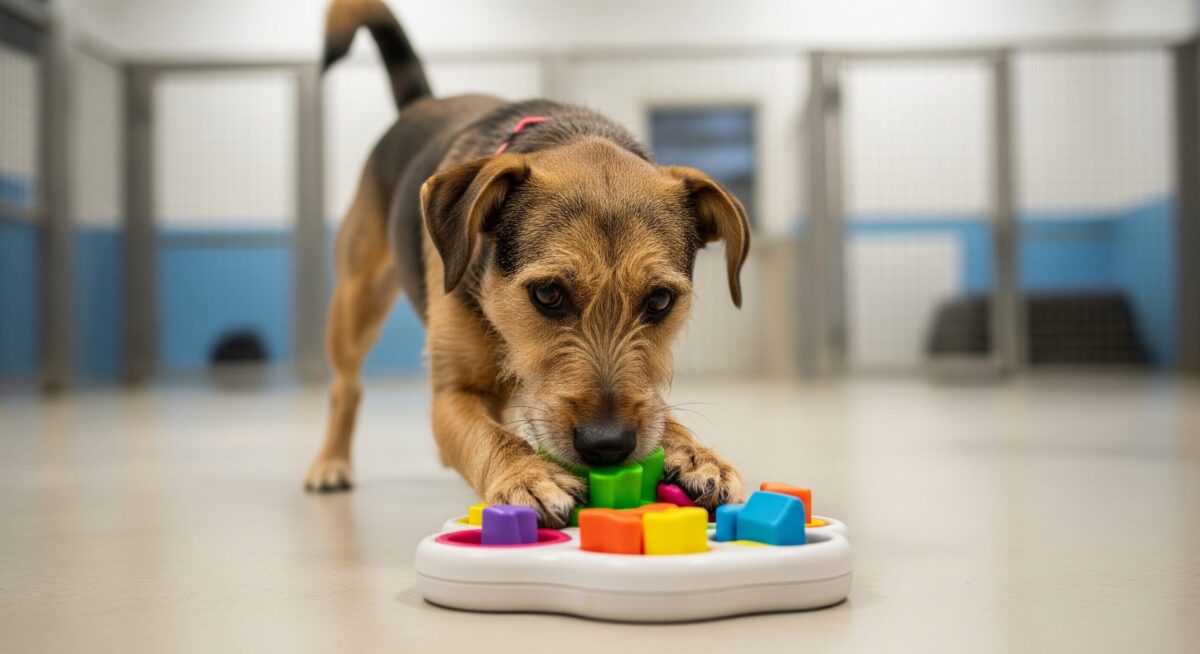
Veterinary professionals increasingly recognize environmental enrichment (EE) as essential for enhancing animal welfare. This strategy promotes adaptive capacities across behavior, immunity, and metabolism. By improving emotional stability and mitigating behavioral issues, enrichment plays a critical role in various contexts, including companion animals, farm animals, laboratory settings, and wildlife in human care.
Building Resilience Through Enrichment
Enrichment strengthens functional capacity, allowing animals to buffer environmental changes. This buffering capacity enhances resilience, enabling them to maintain stability amid challenges. In a world with close human-animal interactions, implementing enrichment strategies protects physical health and promotes mental well-being. Addressing negative emotional states like fear and anxiety is crucial for achieving a holistic approach to animal welfare.
The Role of Enrichment in Behavioral Development
Environmental enrichment is also pivotal in shaping positive behavioral traits in animals. By providing opportunities for exploration and play, animals can develop essential skills such as problem-solving and social interactions. For instance, puzzle feeders can stimulate cognitive functions in dogs and cats. Moreover, enrichment can help prevent the development of unwanted behaviors, which often arise from boredom or confinement.
Enrichment Approaches
Veterinarians should consider different treatments and management strategies alongside. Approaches include cognitive-emotional enrichment through positive reinforcement training. Tailoring enrichment programs to individual neuroethological profiles fosters emotional regulation. Incorporating multimodal enrichment designs—sensory, social, cognitive, and physical—ensures effective stimulation.
Innovative Monitoring Techniques
Utilizing remote welfare monitoring technologies enhances assessment capabilities. Physiological sensors, accelerometry, and infrared thermography provide valuable insights into animal well-being. Non-invasive assessments like facial expressions and body posture allow for real-time evaluations of emotional states. These technologies support the implementation of effective enrichment strategies.
As veterinary professionals, embracing environmental enrichment strategies is essential. By focusing on resilience, emotional regulation, and positive affective states, animal welfare improves significantly. The integration of enrichment into the Five Domains model emphasizes the importance of addressing biological needs.