
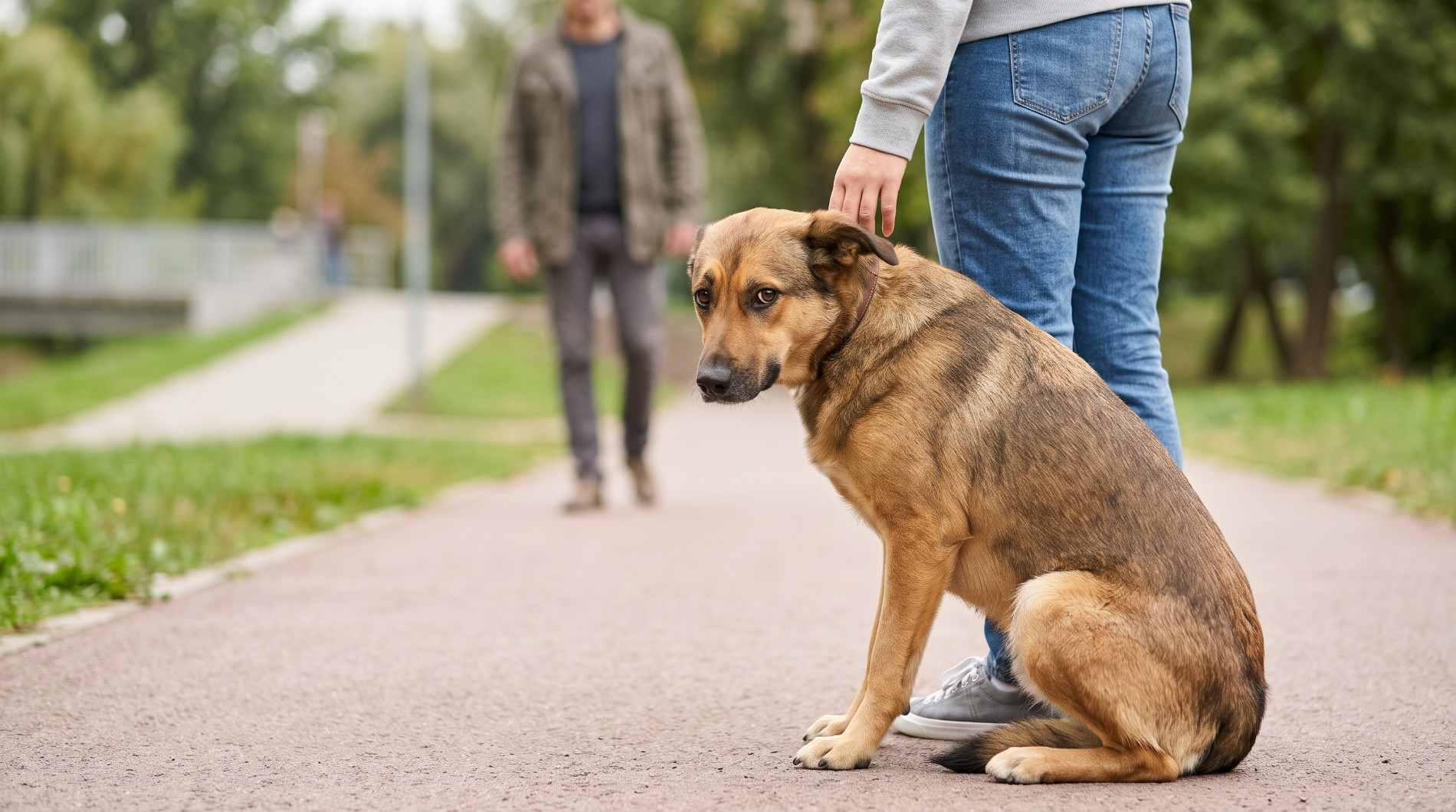
Is Your Dog Scared of Strangers? What Dog Parents Should Know
Does your dog bark at visitors, hide behind you when someone approaches, or refuse to let unfamiliar people get close? If so, you’re not alone. Some dogs feel uneasy around strangers, even when those people are simply trying to say hello.
A dog’s fear of unfamiliar people can show up in different ways. Understanding what your dog is communicating can help you respond with patience, protect their sense of safety, and build confidence over time.
TL;DR: If your dog is scared of strangers, they may bark, growl, hide, freeze, or try to move away. Avoid forcing greetings, watch your dog’s body language, and use gradual, reward-based training to help them feel safer. Animal Wellness Academy’s Is Your Dog Scared of Strangers? course is a helpful starting point for dog parents who want to better understand this behavior and learn how to support their dogs.
Why Is My Dog Afraid of Strangers?
Dogs may feel uncomfortable around unfamiliar people for several reasons. Their individual temperament, limited positive experiences with strangers, or a frightening past experience may play a part. Some dogs are naturally more cautious than others, and that doesn’t mean you’ve failed as a pet parent. Source: American Kennel Club
Your dog might be comfortable with family members but nervous around delivery drivers, visitors, or people approaching on walks. They may also react more strongly when someone reaches toward them, leans over them, makes direct eye contact, or gets too close.
Rather than assuming your dog is being unfriendly, consider what the situation feels like from their perspective. Fearful behavior is communication, and your response can help your dog feel more secure.
What Are the Signs That Your Dog Is Scared of People?
Some dogs make their discomfort obvious, while others show subtle signals that are easy to miss.
Watch for signs such as:
- Avoidance: Hiding, moving away, or trying to escape.
- Changes in posture: Cowering, lowering the body, or tucking the tail.
- Stress signals: Lip licking, yawning, trembling, or refusing treats.
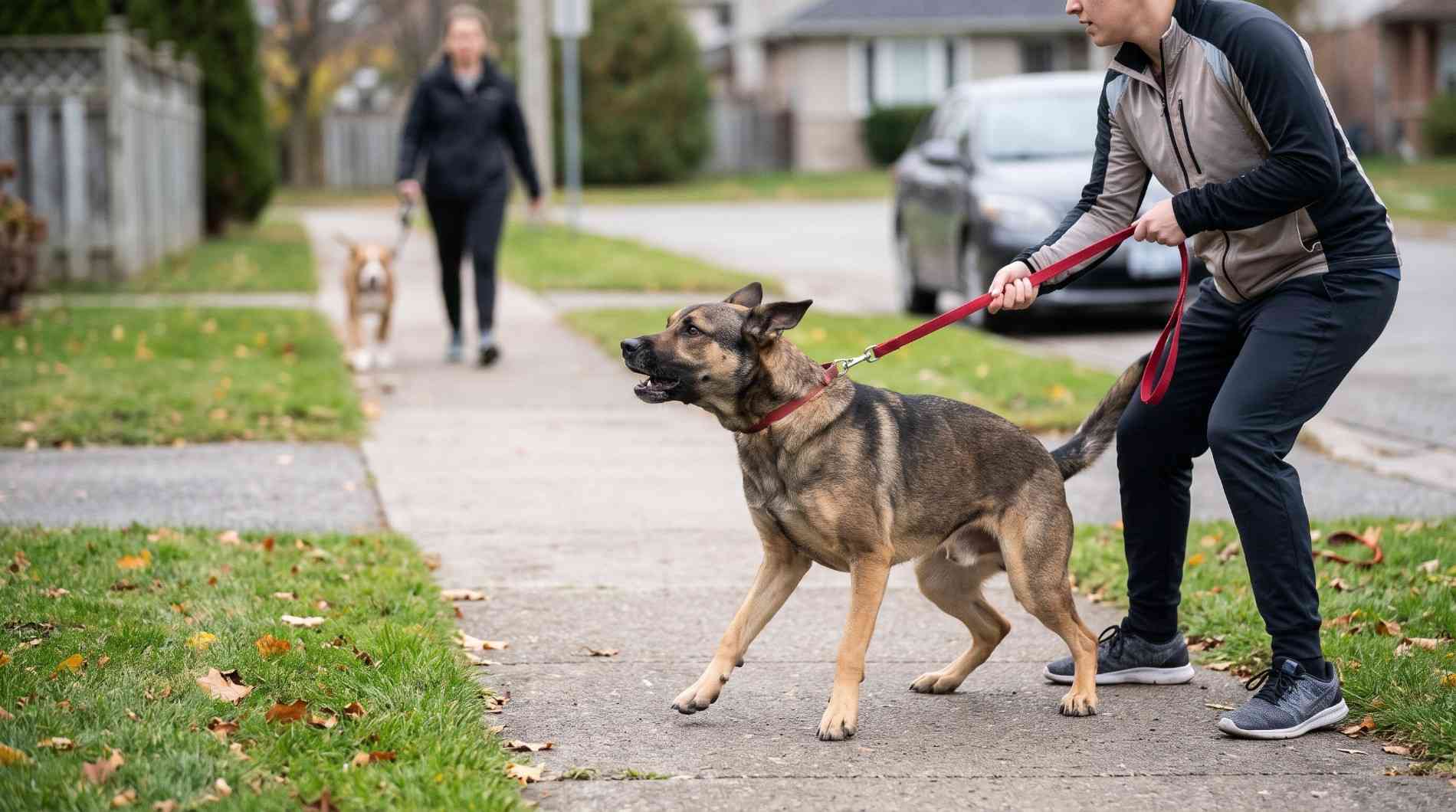
- Defensive behavior: Barking, growling, lunging, or snapping when someone approaches.
A dog that stays still isn’t necessarily comfortable. Freezing can be a response to fear, too. Learning to notice these signals helps you recognize when your dog needs more space. Source: VCA Animal Hospitals
How Can You Help Your Dog Feel Safer Around Strangers?
Start by removing pressure. Your dog doesn’t need to greet every person they meet, and you don’t have to encourage interactions just because someone wants to pet them.
Give your dog enough distance to remain comfortable. On walks, cross the street or change direction when someone approaches too closely. At home, set up a quiet area where your dog can relax while visitors are around.
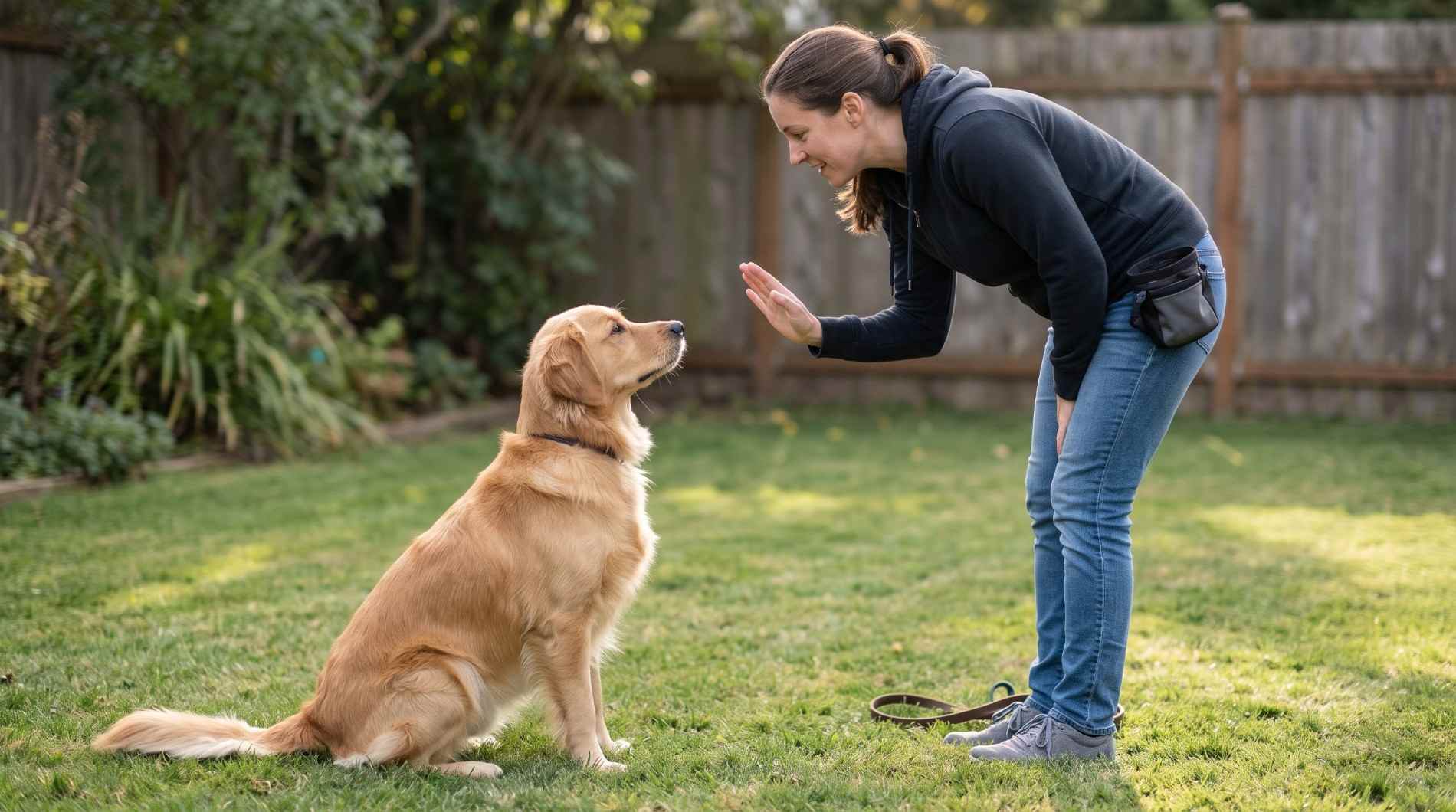
Reward-based training can also help. When your dog notices a stranger from a comfortable distance, offer a treat if they’re willing to take one. Over time, they may begin to associate the presence of unfamiliar people with something pleasant.
Keep sessions short and move at your dog’s pace. Don’t lure them closer than they’re comfortable going, and never force them to accept petting. If they become tense, stop eating, or try to retreat, give them more space. Gradual exposure paired with positive experiences can help build confidence. Source: Cornell University College of Veterinary Medicine
Should You Punish a Dog for Barking at Strangers?
No. Yelling at a frightened dog or punishing them for growling can increase their distress without changing how they feel about the person. It may also discourage warning signals that tell you your dog is uncomfortable.
Instead, focus on preventing overwhelming encounters, rewarding calm behavior, and helping your dog feel safe. If the fear is severe, getting worse, or involves snapping or biting, consult your veterinarian and a qualified, reward-based trainer or veterinary behavior professional.
The goal isn’t to make your dog love everyone. It’s to help them feel safer and handle everyday encounters without becoming overwhelmed.
What Can You Learn From Animal Wellness Academy?
Helping a fearful dog takes patience, observation, and realistic expectations. Learning more about why dogs react to unfamiliar people can help you understand their behavior and make thoughtful choices during walks, visits, and everyday interactions.
Animal Wellness Academy’s Is Your Dog Scared of Strangers? course gives dog parents an opportunity to explore this common concern and build their understanding of stranger-related fear. It’s a useful next step if you want to feel better prepared to support your dog while respecting their comfort level.
Take Our Course: “Is Your Dog Scared of Strangers?”
Want to better understand why your dog feels uneasy around unfamiliar people?
Animal Wellness Academy’s Is Your Dog Scared of Strangers? course can help you explore this behavior and learn more about supporting a fearful dog. Take a moment to build your knowledge and discover ways to help your dog feel more secure around the people they encounter.
Frequently Asked Questions
Will my dog ever stop being scared of strangers?
Some dogs become more comfortable with gradual, positive experiences, but progress varies. The goal may be calm behavior around unfamiliar people rather than wanting to greet everyone.
Should I let strangers give my scared dog treats?
Only if your dog is comfortable and can keep a safe distance, it’s often better for a stranger to avoid reaching toward your dog and let your dog choose whether to approach.
Why does my dog bark at strangers but seem friendly with me?
Your dog may feel safe with familiar people but uncertain or threatened by unfamiliar ones. Barking can be a response to fear or discomfort, so look at the situation and your dog’s body language rather than assuming they’re being stubborn.
When should I seek professional help?
Speak with your veterinarian if your dog’s fear appears suddenly or changes significantly. Seek help from a qualified, reward-based professional if your dog’s fear is persistent, difficult to manage, or includes snapping, lunging, or biting.