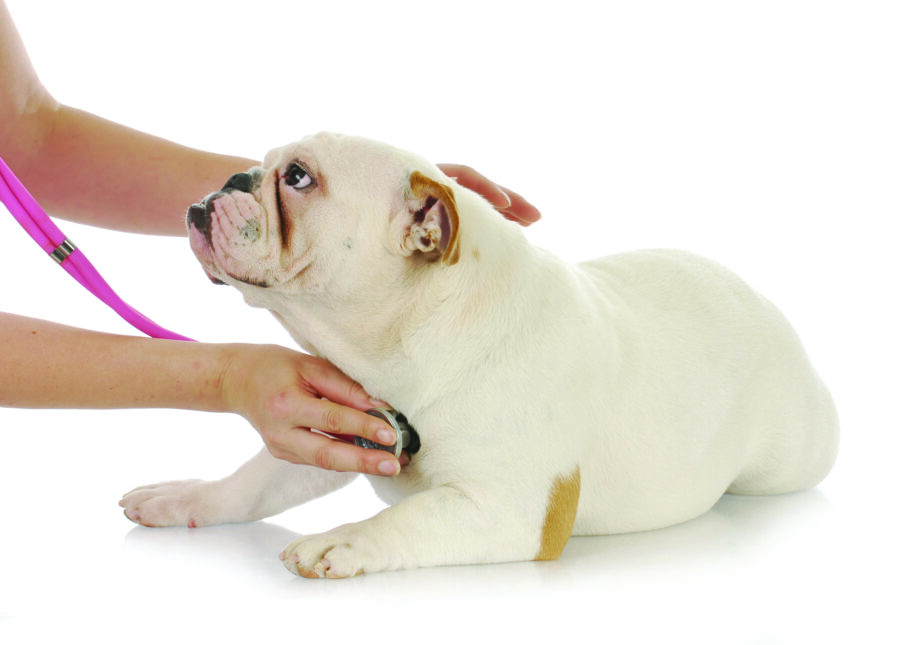
The stethoscope remains an indispensable tool for veterinarians, enabling vital insights into animal health through auscultation. Yet, as veterinary medicine evolves, so too must this classic instrument. Enhancing the stethoscope with modern technology and design improvements can elevate diagnostic accuracy and efficiency, ultimately improving patient care.
Digital Stethoscopes for Clearer Sounds
One of the most impactful advances is the rise of digital stethoscopes. Unlike traditional acoustic models, digital stethoscopes amplify heart, lung, and gastrointestinal sounds, especially useful when working with noisy or large animals. These devices often come with built-in noise reduction, allowing veterinarians to hear subtle murmurs and arrhythmias that might otherwise go unnoticed. Additionally, digital stethoscopes can connect to smartphones or computers to record and analyze sounds for more detailed assessment or telemedicine consultations.
Customization for Different Species
Veterinarians treat a diverse range of animals—each with unique anatomical and physiological characteristics. Enhancing stethoscopes to better accommodate this diversity could involve specialized chest pieces designed for small mammals, equines, or birds. Adjustable diaphragms and tunable frequencies tailored to species-specific heart and lung sounds would make auscultation more precise and reduce misinterpretations from unfamiliar sound profiles.
Ergonomics and Comfort
Long clinical shifts mean veterinarians often wear stethoscopes for hours. Enhancements focused on ergonomics—such as lightweight materials, adjustable tension headbands, and soft, hypoallergenic ear tips—can reduce fatigue and improve comfort. A comfortable stethoscope ensures veterinarians maintain focus and accuracy throughout their day.
Integration with AI and Software Tools
Emerging technology also paves the way for AI integration with stethoscopes. AI algorithms can assist by instantly analyzing auscultation sounds to identify abnormalities, prioritize cases, and even predict disease progression. Pairing the stethoscope with intelligent apps can provide veterinarians with a second set of “ears,” enhancing diagnostic confidence and reducing human error.
Hygiene Innovations
In the era of heightened biosecurity, stethoscope hygiene is critical. Incorporating antimicrobial coatings or designing easily detachable, washable parts can minimize the risk of cross-contamination among animals. Quick-clean features will help maintain hygiene standards without disrupting clinical workflow.
Here are some other key points about how stethoscopes are being enhanced for veterinary use:
Recording Capabilities: Some newer stethoscopes can record heart and lung sounds. This lets vets save these recordings to compare them over time or share them with specialists.
Wireless Features: Bluetooth-enabled stethoscopes can connect to smartphones or tablets. This makes it easier to store patient data digitally.
Visual Displays: Some advanced models show sound waves on a screen, which can help vets see patterns in heartbeats or breathing.
Teaching tool: Multiple people can listen at once, great for training veterinary students or explaining conditions to pet owners
General Practice
For most general practice clinics, a good traditional stethoscope works well for routine exams. However, digital stethoscopes are more valuable for:
- Cardiology specialists
- Teaching hospitals
- Clinics that see many heart patients
- Vets who want to document abnormal sounds
Enhanced stethoscopes can improve diagnostic capabilities, especially for heart and lung conditions. They’re most valuable when vets regularly examine pets with cardiac issues or want better documentation of findings.
It’s always a good idea to try to innovate general or specific enhancements to the stethoscope. Digital amplification, species-specific designs, ergonomic improvements, AI integration, and hygiene innovations offers exciting potential for veterinary medicine. These advancements will empower veterinarians to perform more accurate diagnoses with greater ease and comfort—translating to better patient outcomes across the diverse animal populations they serve. As technology progresses, embracing these enhancements will keep veterinarians at the forefront of compassionate and precise animal care. And it would feel great to have a companion tool from the future.