Pet Seems Off But Not Obviously Sick? A Holistic Home Checklist and Next Steps
Your pet seems off, but nothing screams “sick” at first glance. That uneasy feeling can leave you guessing what to do next. This guide shows you how to spot subtle signs of illness in pets, run a simple home wellness check, and decide when to call the vet. Stick with us to gain clear steps and boost your confidence in caring for your furry friend.
Recognizing Subtle Signs of Illness

Sometimes, pets express discomfort in ways that are easy to miss. Recognizing these signs early can make a big difference in their care. Let’s explore how to spot these subtle changes.
Behavioral Changes in Pets
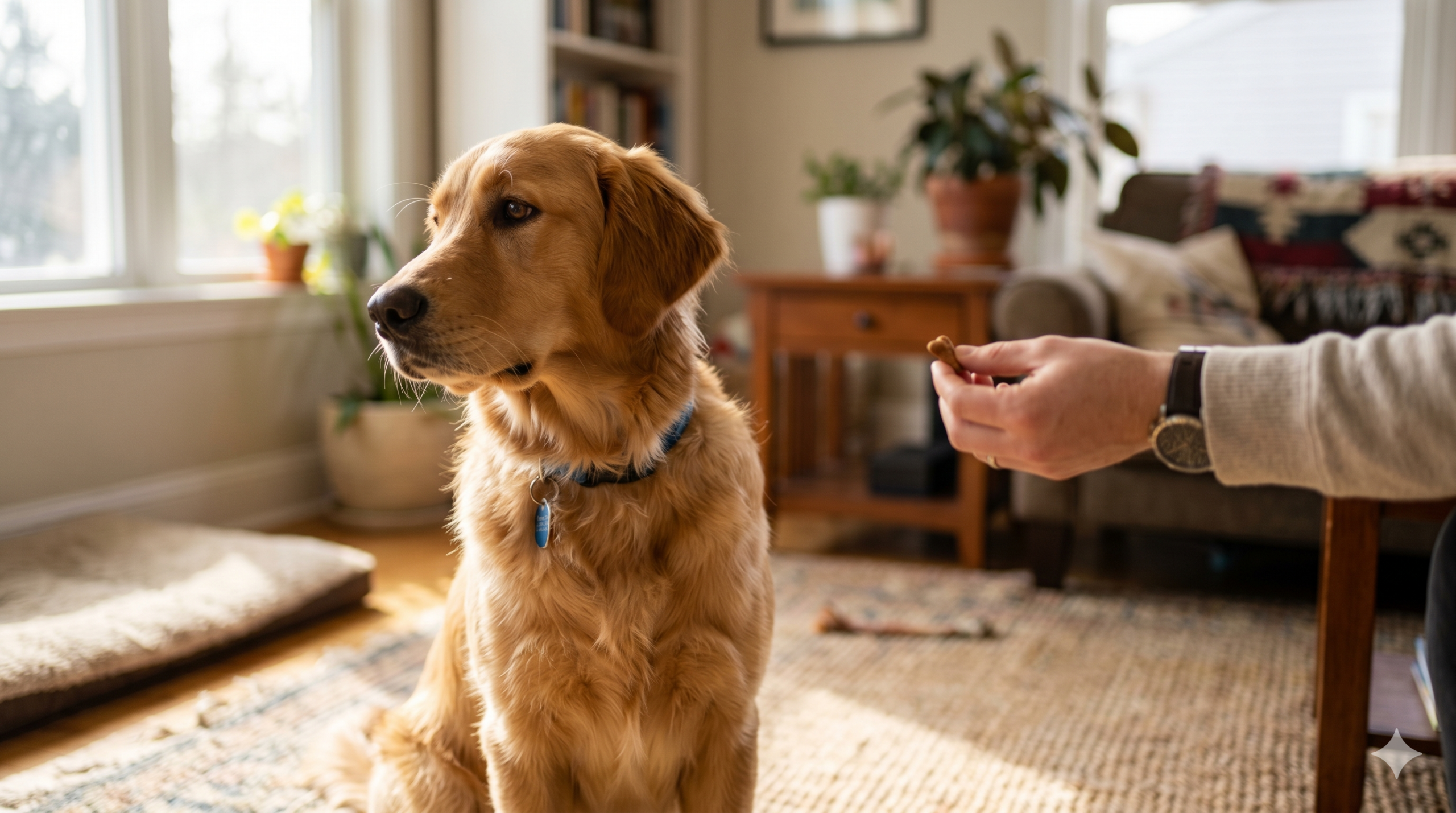
When your pet behaves differently, it’s often a clue. Maybe your playful dog isn’t interested in fetch, or your cat’s favorite perch goes unused. These changes can signal that something’s not quite right. Pets might hide when they’re feeling under the weather, or they might cling more than usual. Even small shifts, like less tail wagging or reduced purring, can be significant. Keep a close eye on their usual activities and note any deviations. Change in routine behaviors is your first hint to dig deeper.
Appetite Changes in Pets
Eating habits tell a lot about your pet’s health. A sudden lack of interest in food or water can be alarming. Similarly, if they’re ravenous all of a sudden, it might indicate an issue. Watch for changes in their eating speed too. Are they taking longer to eat, or leaving more food behind? These subtle shifts can signal digestive problems, dental issues, or even stress. Always monitor their food and water intake closely.
Monitoring Pet Vitals at Home
Checking vital signs at home offers peace of mind. You don’t need special tools, just some practice. Start by feeling their heartbeat. A dog’s pulse should be between 60-140 beats per minute, while a cat’s should be between 140-220. Notice their breathing patterns: a relaxed dog breathes 15-30 times per minute; a cat, 20-30. Consistent monitoring gives you a baseline for comparison when health concerns arise.
Conducting a Holistic Pet Care Checklist

Gathering a complete picture of your pet’s health at home is crucial. A thorough checklist can guide you through this process and help catch early signs of illness.
Gum Color Check for Pets
Gum color is a quick health indicator. Gums should be pink, not pale or blue. Press gently on the gum, then release. The color should return quickly. This “capillary refill time” can indicate blood flow issues if delayed. Checking gums regularly helps spot problems early, confirming that they’re getting the oxygen they need.
Hydration Skin Tent Test for Dogs and Cats
Keeping your pet hydrated is essential. The skin tent test is an easy way to check. Gently pinch the skin on their back and let go. In a well-hydrated pet, the skin snaps back quickly. If it stays tented, they might need more fluids. This test is simple yet revealing, helping you catch dehydration before it becomes serious.
Normal Dog and Cat Respiratory Rates
Understanding normal breathing rates helps in spotting respiratory challenges. A calm dog typically breathes 15-30 times a minute, while a relaxed cat breathes 20-30 times. Deviations can indicate stress, illness, or respiratory problems. Regular checks equip you to notice changes right away, helping you act promptly.
Next Steps and When to Call the Vet

Armed with this knowledge, you can better decide when professional help is needed. Knowing when to call the vet makes a difference in your pet’s health outcomes.
When to Call the Vet for a Dog
Is your dog more lethargic than usual, or are they refusing water? These are signs to consult your vet. Persistent vomiting, diarrhea, or any difficulty breathing also warrant a call. Trust your instincts; if something feels off, it’s better to err on the side of caution. Early intervention can prevent more severe issues.
When to Call the Vet for a Cat
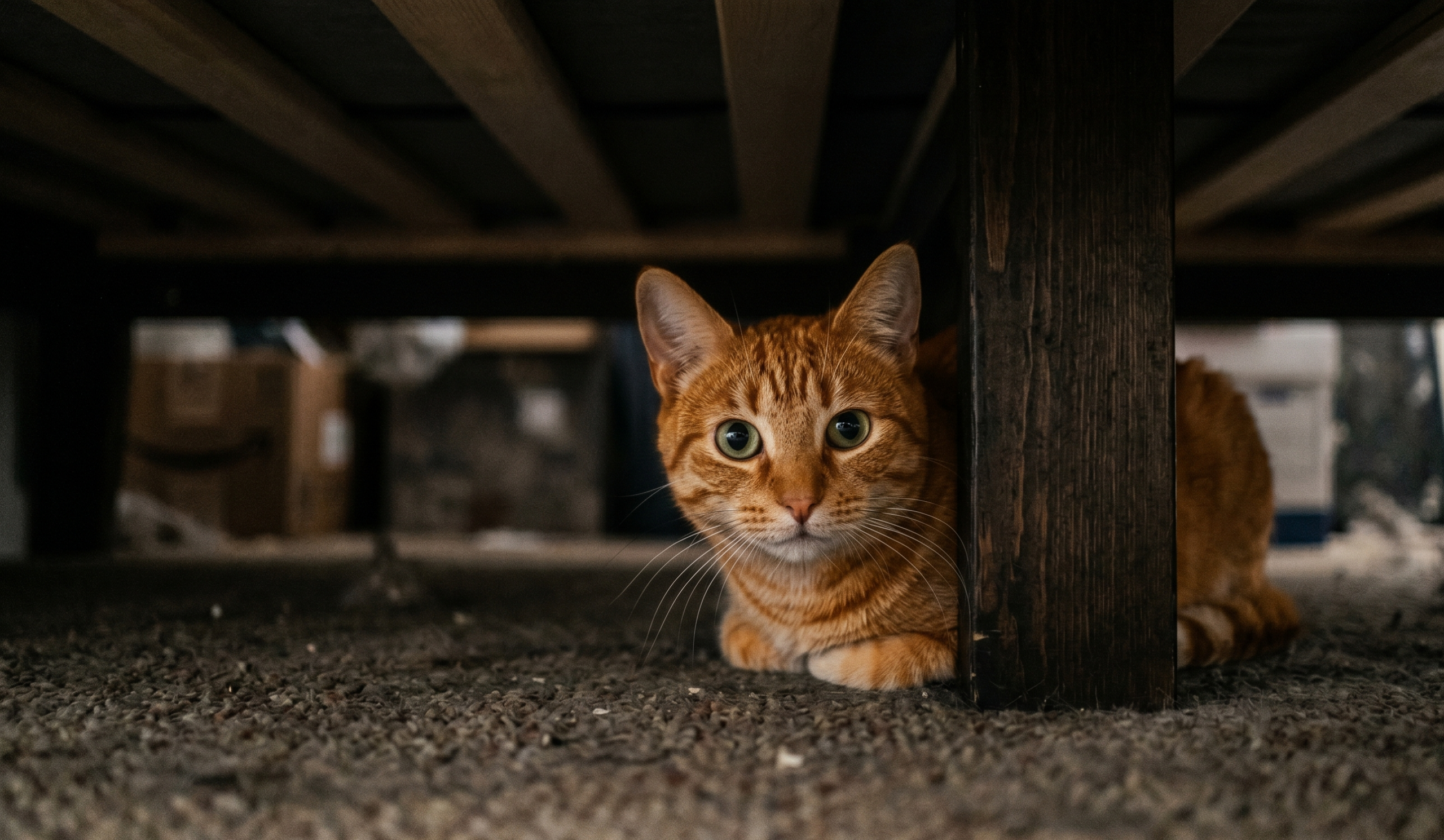
Cats are experts at hiding illness. Watch for symptoms like loss of appetite, hiding, or vocal changes. These could signify pain or discomfort. Cats often disguise their suffering, so any unusual behavior is worth a vet visit. Prompt action helps avoid complications and supports quicker recovery.
Natural Remedies for Pets and Preventative Health
Natural remedies can complement traditional care. Herbs like chamomile or lavender can calm anxious pets, while pumpkin helps with digestive troubles. Regular grooming and a balanced diet support overall health. For preventative care, consider enrolling in a pet first aid course online. It empowers you with skills to address emergencies effectively.
In summary, knowing your pet’s normal behavior and health indicators is vital. Regular checks and awareness of subtle changes enable early detection of potential issues. Your proactive care can lead to happier, healthier pets and peace of mind for you.