

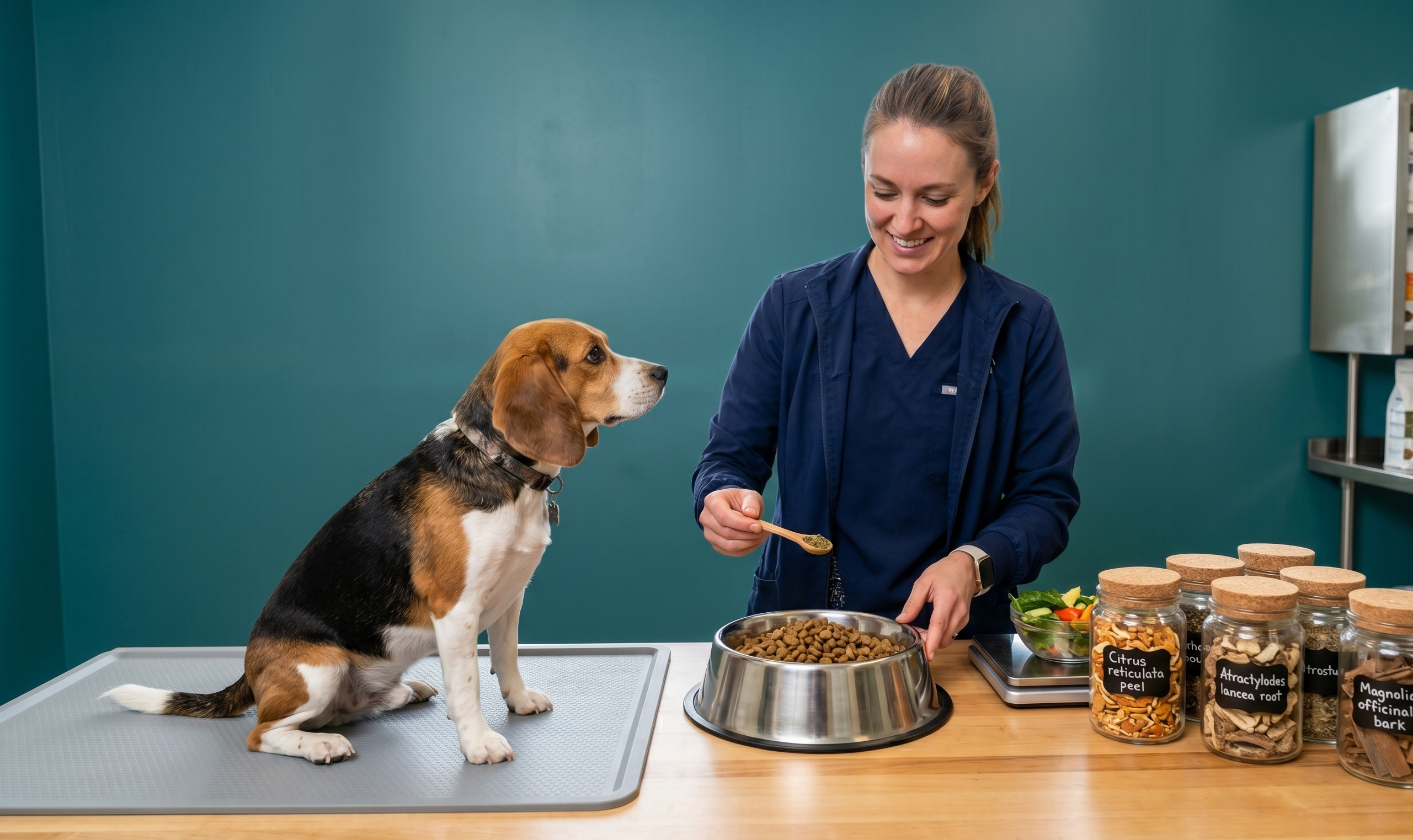
Obesity is one of the most common and serious health problems in companion animals, particularly dogs and cats. Beyond excess weight, it predisposes pets to metabolic disorders, inflammation, and reduced quality of life. Dietary management remains the cornerstone of prevention and treatment, and new research highlights how combining a low-fat diet with targeted plant extracts may offer veterinarians a more comprehensive strategy.
Study Overview
In a controlled 9-week trial, thirty healthy beagles were divided into three groups:
- Conventional diet (Group A)
- Low-fat diet (Group B)
- Low-fat diet + plant extracts (Group C)
The plant extract blend included Atractylodes lancea, Magnolia officinalis, and Citrus reticulata Blanco.
Key Findings
- Lipid metabolism: Both low-fat diets significantly reduced serum triglycerides, LDL cholesterol, and bile acids compared to the conventional diet.
- Antioxidant capacity: Superoxide dismutase activity was higher in Groups B and C, with Group C showing the greatest benefit.
- Inflammation control: Group C demonstrated reduced proinflammatory cytokines (TNF-α, IL-1β, IL-6) and lower malondialdehyde levels.
- Gut health: Group C showed decreased diamine oxidase activity and lipopolysaccharide levels, indicating improved intestinal barrier function.
- Microbiota modulation: Group C had a significant increase in beneficial bacteria such as Lactobacillus.
- Metabolomic benefits: Beneficial metabolites including γ-aminobutyric acid (GABA) and glutamine were upregulated in Group C.
Clinical Implications for Veterinarians
- Dietary management: A low-fat diet alone is effective in regulating lipid metabolism, making it a practical first-line intervention.
- Enhanced outcomes: Supplementation with plant extracts provides added benefits—antioxidant support, reduced inflammation, and improved gut health.
- Preventive strategy: These findings suggest that combining dietary fat restriction with functional plant compounds may help reduce obesity-related disease risk before clinical signs emerge.
- Holistic approach: This dual strategy aligns with a growing emphasis on integrative veterinary medicine, where nutrition, microbiota modulation, and metabolic support are considered together.
Takeaway
While a simple low-fat diet remains a valuable tool in managing canine obesity, its combination with plant extracts offers broader efficacy. By improving lipid metabolism, enhancing antioxidant defenses, strengthening the intestinal barrier, and enriching beneficial gut microbes and metabolites, veterinarians can adopt a more holistic dietary strategy to safeguard canine health.