
Horses are masters at hiding discomfort. As prey animals, they have evolved to mask signs of pain as a survival mechanism, which can make it challenging for owners to recognize when something is wrong. Often, subtle changes in behavior are among the first indicators that a horse is experiencing discomfort. Learning to recognize these signs can help you address issues early and support your horse’s long-term health, performance, and well-being.
Understanding the Equine Pain Face
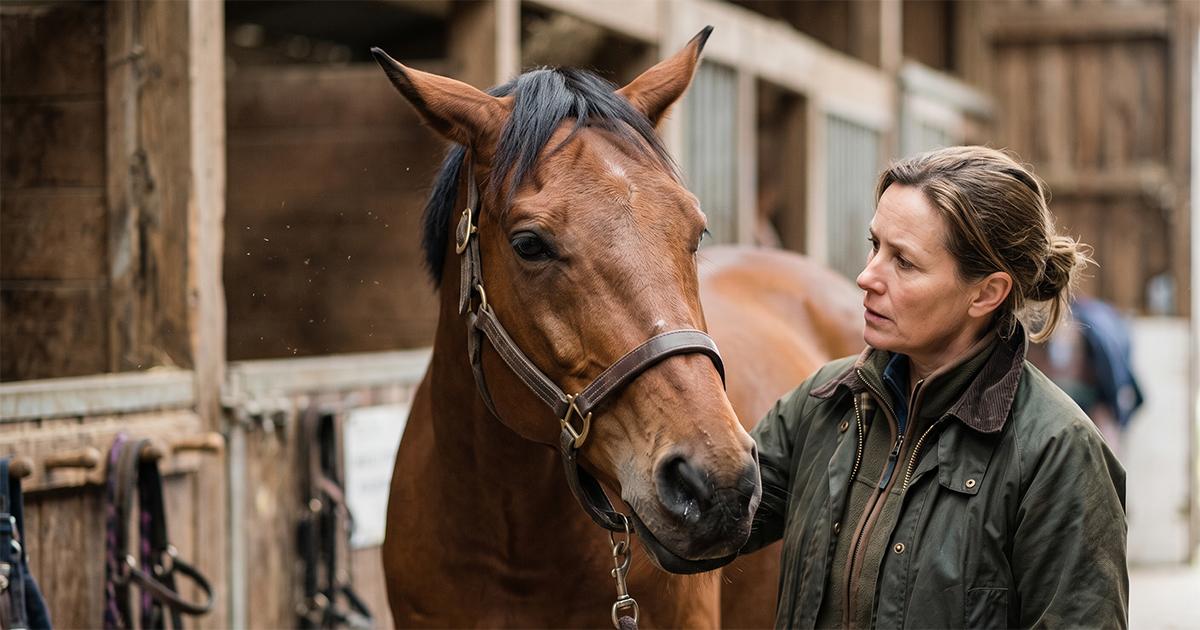
One of the most valuable tools for identifying discomfort is observing your horse’s facial expressions. Researchers have identified a collection of facial indicators commonly associated with pain, often referred to as the “equine pain face.”
Signs may include:
- Tense or strained muscles around the eyes
- A fixed or withdrawn stare
- Ears held back or positioned asymmetrically
- Tightened nostrils
- A clenched jaw or tension around the mouth
- Increased blinking or unusual facial movements
While these expressions may not always indicate pain on their own, persistent changes in facial appearance can provide important clues that warrant closer attention.
Behavioral Red Flags to Watch For
Changes in behavior are often one of the earliest signs that a horse is uncomfortable. A horse that suddenly becomes difficult to handle or behaves differently than normal may be trying to communicate pain.
Common behavioral warning signs include:
- Reluctance to move forward under saddle
- Resistance during grooming or tacking up
- Pinning ears when approached
- Tail swishing unrelated to flies
- Head tossing or excessive mouth activity
- Difficulty standing for the farrier
- Changes in appetite or drinking habits
- Increased irritability toward horses or people
- Reduced enthusiasm for work or exercise
It’s important to compare current behavior with your horse’s normal personality and routine. Small changes can be meaningful when viewed in context.
Could Your Tack Be Causing Discomfort?
Poorly fitting tack is a common but often overlooked source of pain. Even minor pressure points can create significant discomfort over time, affecting both behavior and performance.
Signs that tack may be contributing to discomfort include:
- Moving away when the saddle is presented
- Girthiness or sensitivity during tightening
- Uneven sweat patterns after riding
- Bucking, rearing, or resistance under saddle
- Difficulty maintaining certain gaits or transitions
- Muscle soreness along the back or shoulders
Regular saddle and bridle fit evaluations can help prevent chronic discomfort and ensure your horse can move freely and comfortably.
The Role of Bodywork and Physical Assessment
Muscle tension, compensatory movement patterns, and restricted mobility can all contribute to behavioral changes. Therapies such as massage, chiropractic care, physiotherapy, and stretching programs may help identify and address underlying issues.
Bodywork professionals often detect:
- Areas of muscle soreness
- Reduced flexibility
- Asymmetrical movement patterns
- Trigger points and tension
- Postural imbalances
While bodywork can be an important component of a wellness program, it should complement—not replace—proper veterinary diagnosis when pain is suspected.
Knowing When to Seek Professional Help
Not every behavioral issue stems from training challenges or attitude. Sometimes, what appears to be stubbornness, laziness, or resistance is actually an expression of discomfort.
Contact your veterinarian if your horse:
- Shows persistent or worsening behavioral changes
- Develops lameness or gait abnormalities
- Experiences unexplained performance decline
- Displays signs of acute pain or distress
- Becomes unusually reactive during handling
- Does not improve after addressing management and tack concerns
Early intervention often leads to better outcomes and can prevent minor issues from becoming more serious health problems.
Listening to What Your Horse Is Saying
Your horse communicates constantly through posture, movement, facial expressions, and behavior. By learning to recognize the subtle signs of discomfort, you can become a more effective advocate for their health and well-being. Paying attention to changes in behavior, evaluating equipment fit, and seeking professional guidance when needed can help ensure your horse remains comfortable, happy, and able to perform at their best.