Horses are highly sensitive animals, and even small changes in environment can trigger a significant physiological stress response. Travel, competition schedules, and unfamiliar surroundings can all challenge a horse’s nervous system, digestive balance, and muscular comfort. While management and training play a central role, herbal support can offer gentle, supportive options when used thoughtfully and safely.
Why Travel Is Physiologically Stressful for Horses
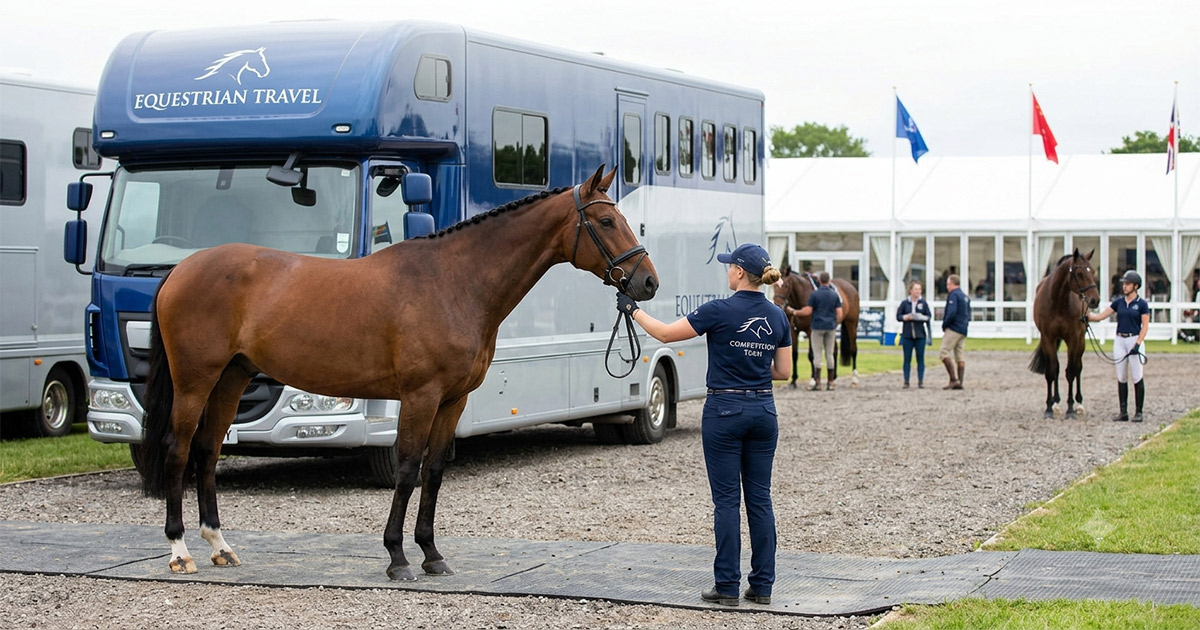
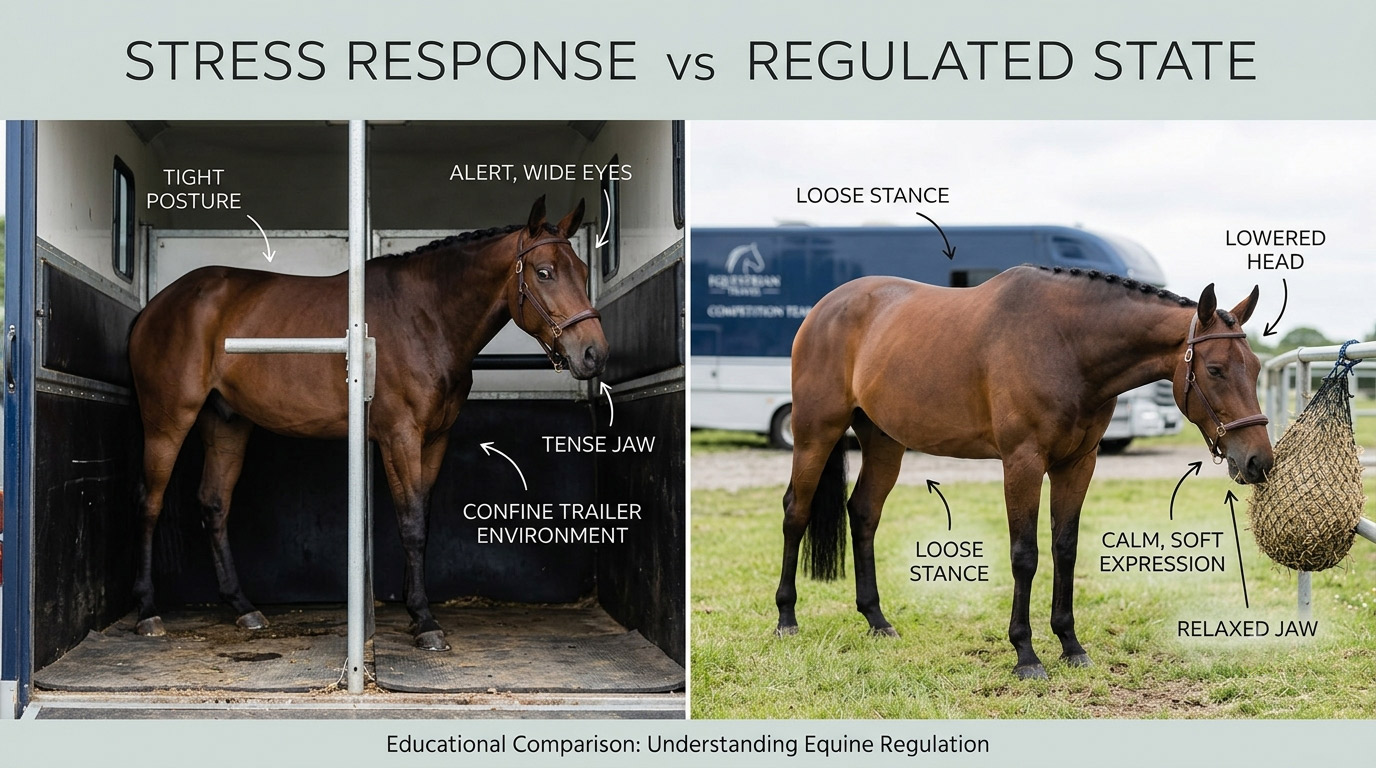
Transporting a horse is not a natural experience for their body. During travel, they must constantly adjust balance, cope with vibration, noise, confinement, and separation from familiar herd dynamics. This activates the sympathetic nervous system (the “fight or flight” response), which can remain elevated long after arrival.
Stress is not just emotional—it is physical. It directly impacts digestion, muscle function, and immune balance.
Common Stress Responses in Horses
When a horse is stressed during travel or competition, you may notice:
- Digestive disruption: reduced gut motility, loose manure, or reduced appetite
- Muscle tension: stiffness through the neck, back, or hindquarters
- Behavioral anxiety: pawing, calling, sweating, or restlessness
- Reduced focus or performance changes: difficulty settling into work
- Ulcer risk increase: stress-related acid imbalance in the stomach
These signs often overlap, reflecting how closely the gut, brain, and musculoskeletal system are connected.
Adaptogenic and Calming Herbs (Overview)
Herbs can be used to gently support the nervous system and stress response. However, “natural” does not automatically mean “risk-free,” especially in performance horses.
Some commonly discussed herbs include:
- Ashwagandha: an adaptogen traditionally used to support stress resilience and hormonal balance
- Chamomile: mild calming properties, often used for digestive and nervous system soothing
- Valerian root: stronger sedative effect; caution is advised, especially for competition horses due to potential regulatory restrictions and sedation variability
Important note: Always check competition rules and governing body regulations before using any herbal product.
Digestive Support During Transport
Because stress heavily affects the hindgut, digestive support is often just as important as calming support.
Helpful strategies include:
- Offering consistent forage access before and after travel
- Using easily digestible hay to reduce gut strain
- Supporting hydration with electrolytes when appropriate
- Considering gentle herbs like chamomile to support gut comfort
A stable digestive system helps reduce secondary stress behaviors, including irritability and tension.
Safe Timing and Dosage Considerations
Herbal support should be introduced thoughtfully and never trialed for the first time on competition day.
Key guidelines:
- Introduce herbs at home first, ideally 1–2 weeks before travel
- Start with low doses and monitor individual response
- Avoid combining multiple sedative herbs without professional guidance
- Be aware that individual sensitivity varies widely between horses
- Always prioritize products designed specifically for equine use
Consistency is more important than intensity when supporting the nervous system.
Pre-Travel Routines for Nervous System Regulation
A predictable routine helps horses feel more secure before transport or competition.
Consider:
- Maintaining regular feeding and turnout schedules
- Practicing loading calmly and without pressure ahead of travel days
- Allowing quiet grooming or bodywork sessions before loading
- Keeping handling consistent to reduce uncertainty
Horses thrive on predictability—routine alone can significantly reduce stress load.
Non-Herbal Calming Strategies
Herbal support is most effective when combined with strong management practices.
Supportive non-herbal strategies include:
- Hydration management: ensuring water intake before, during, and after travel
- Turnout time: allowing movement before loading to reduce physical tension
- Comfortable transport conditions: ventilation, footing, and safe spacing
- Minimizing social stress: transporting with familiar companions when possible
- Post-arrival recovery time: allowing the horse to decompress before work
These foundational practices often have a greater impact than any supplement alone.