Can Chiropractic Care Help Your Senior Dog?
As dogs get older, changes in mobility, posture, and comfort can become more noticeable. Maybe your once-bouncy companion takes longer to get up, seems less eager to climb stairs, or moves differently after a long nap. These changes deserve attention, especially when they affect your dog’s everyday life.
Chiropractic care is one approach some pet owners explore as part of their senior dog’s overall care. Understanding what it involves can help you have a more informed conversation with your veterinarian or qualified animal chiropractic professional.
TL;DR: Chiropractic care for senior dogs focuses on the relationship between spinal alignment, movement, and overall well-being. If you want to better understand what chiropractic adjustments may involve and what they can do for an older dog, learn more through Animal Wellness Academy’s Chiropractic Care for Senior Dogs course.
Why Might Senior Dogs Need Extra Support?
Getting older doesn’t automatically mean a dog should stop being active. Still, aging can bring changes that affect how comfortably a dog moves through the day.
You might notice stiffness after resting, changes in gait, reluctance to jump, or a preference for shorter walks. Some dogs also change how they stand or carry themselves.
Those observations are worth sharing with your veterinary team. A change in movement can have many possible causes, and figuring out what’s behind it comes first.
What Is Chiropractic Care for Dogs?
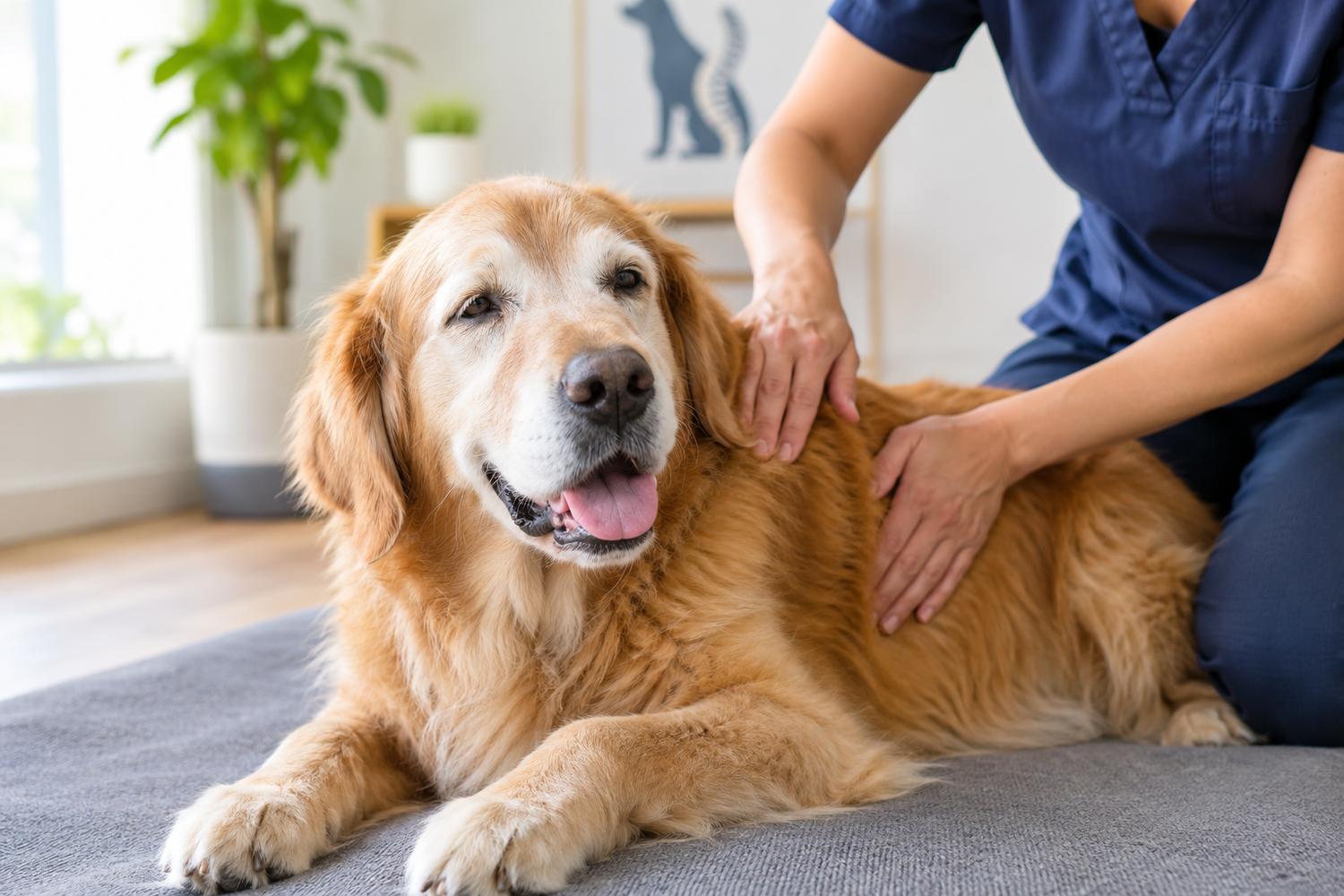
Animal chiropractic care focuses on the musculoskeletal system, particularly the spine and its relationship to movement.
The Animal Wellness Academy course introduces the concept of subluxations and explores how they may affect a dog’s health. It also looks at what an adjustment can do and how chiropractic care may fit into efforts to support a dog’s well-being.
That doesn’t mean every senior dog needs an adjustment. Nor should owners attempt to manipulate a dog’s spine themselves. Chiropractic techniques for animals require appropriate training and professional assessment.
For a dog parent, knowing what the approach involves can simply make it easier to ask better questions.
What Should You Watch for in an Older Dog?
Your dog’s normal behavior is one of your best reference points.
Pay attention to changes such as:
- Taking longer to rise after resting
- Moving more cautiously on stairs
- Changes in walking or running
- Reluctance to jump onto familiar surfaces
- Changes in posture or body carriage
- Less interest in activities your dog once enjoyed
None of these signs automatically points to a spinal problem. They are reasons to take a closer look, especially if a change is sudden, persistent, or accompanied by obvious discomfort.
Sometimes a small change is the first clue that your senior dog needs an evaluation.
How Can Dog Parents Learn More About Chiropractic Care?
You don’t need to become an animal chiropractor to understand the basics.
Learning about spinal alignment, subluxations, and the purpose of an adjustment can give you useful background before discussing complementary care with a qualified professional. That’s especially helpful when you’re trying to make thoughtful choices for an aging dog.
Animal Wellness Academy’s course, taught by veterinarian Dr. Bill Ormston, introduces these concepts in a focused lesson and includes a quiz and certificate.
A little knowledge can make those veterinary conversations more productive.
Take Our Course: Chiropractic Care for Senior Dogs
Want to understand more about chiropractic care for senior dogs?
The Chiropractic Care for Senior Dogs course explores subluxations, what an adjustment can do, and how chiropractic care may relate to a senior dog’s well-being.
Frequently Asked Questions
Is chiropractic care safe for senior dogs?
Chiropractic care should be performed by a properly trained professional after assessing whether it is appropriate for the individual dog. Pet owners should not attempt spinal adjustments themselves.
What does chiropractic care for dogs involve?
Animal chiropractic care may involve assessing movement and the musculoskeletal system, including the spine, and using specific adjustment techniques when appropriate.
What signs might mean my senior dog needs an evaluation?
Changes in gait, posture, activity level, willingness to jump, or ability to rise comfortably can be worth discussing with your veterinarian.
Can I learn about chiropractic care as a pet owner?
Yes. The Animal Wellness Academy course is intended for pet owners as well as pet professionals and veterinarians, giving dog parents an introduction to subluxations, adjustments, and their potential role in supporting well-being.