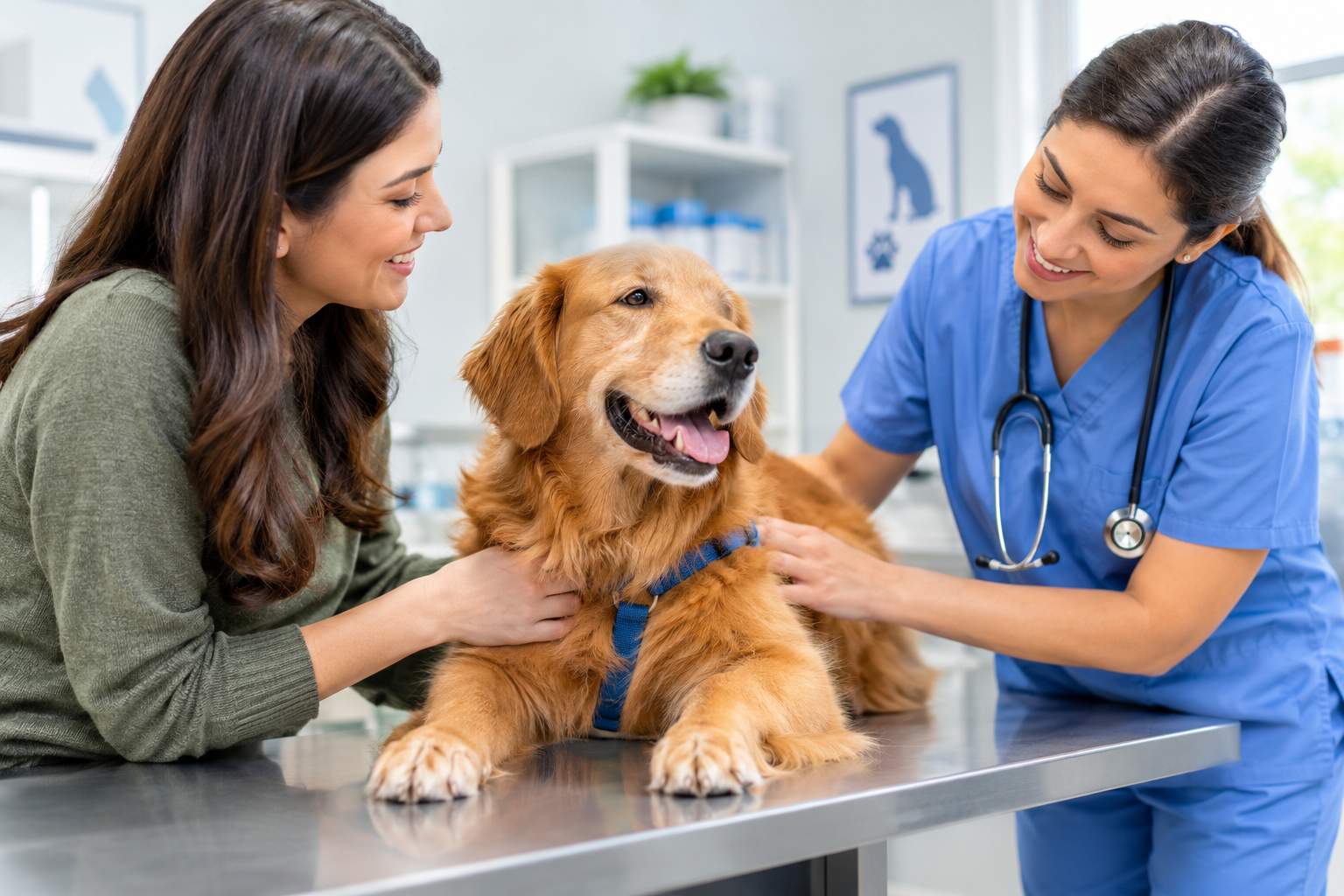
How to Make Vet Visits Less Stressful for Your Dog
A trip to the veterinarian can be routine for you and still feel like a big deal to your dog. New smells, unfamiliar people, other animals, and being handled during an exam can make some dogs uneasy.
As a dog parent, you have an important role in making veterinary visits feel calmer and more manageable. A little preparation, clear communication, and attention to your dog’s behavior can change the experience for everyone.
TL;DR: A more harmonious vet experience starts before you walk through the clinic door. Preparing your dog, paying attention to their body language, and communicating clearly with your veterinary team can help make appointments easier. If you want to learn more about creating a positive veterinary experience for your pet, explore Animal Wellness Academy’s Creating a More Harmonious Vet Experience course.
Why Can Vet Visits Be Stressful for Dogs?
Your dog doesn’t know that the veterinarian is there to help.
From their perspective, a clinic can be full of unfamiliar sights, sounds, and smells. They may also encounter other nervous animals, strangers reaching toward them, or procedures they haven’t experienced before.
Some dogs handle all of this without much fuss. Others may hide, tremble, pull on the leash, bark, or try to avoid being handled.
Pay attention to those signals. Your dog’s behavior can give you useful information about how they’re feeling.
How Can You Prepare Your Dog Before a Vet Visit?
Preparation starts at home.
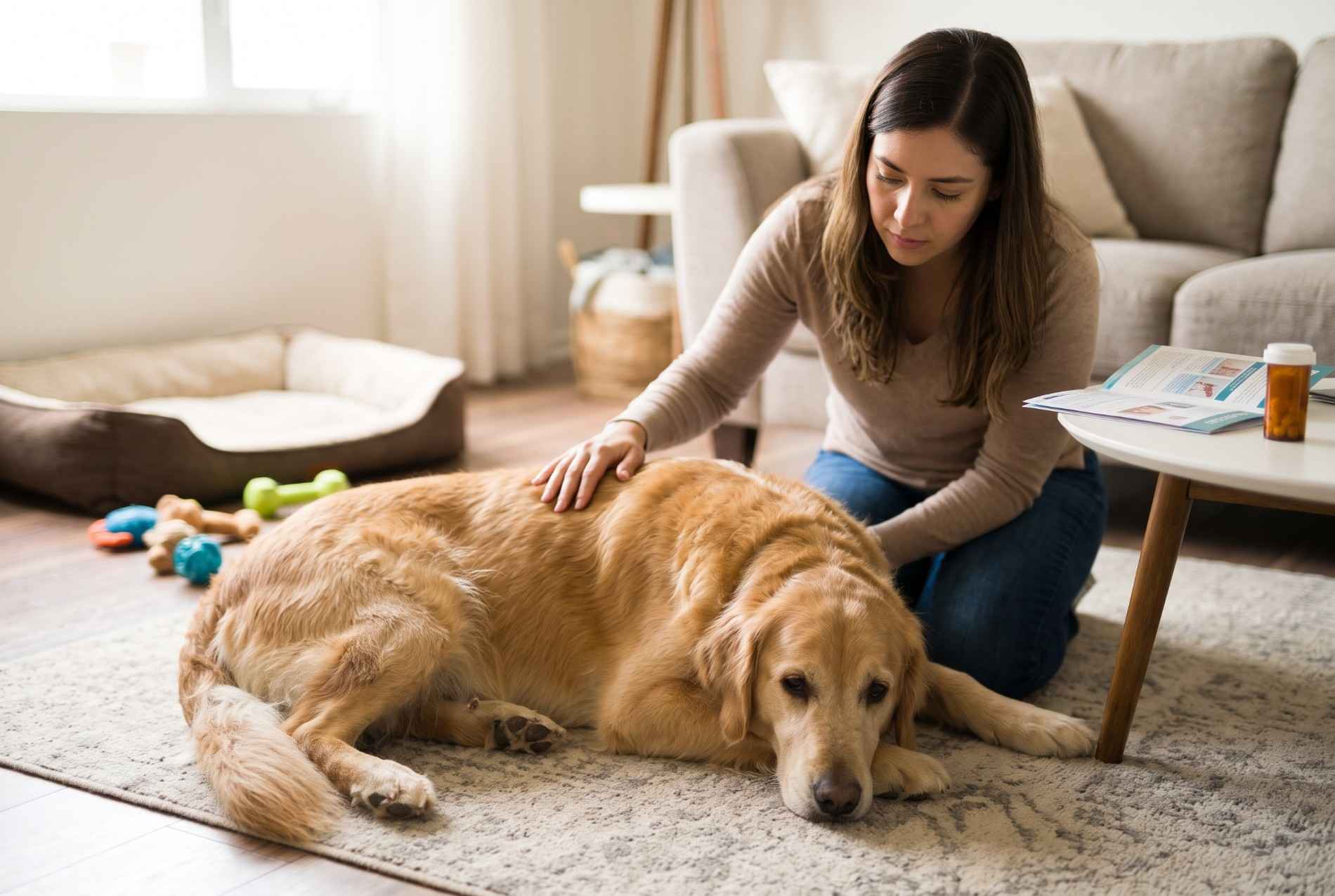
Before an appointment, think about what you’ve noticed about your dog since the last visit. Changes in appetite, behavior, energy, bathroom habits, or other routines are worth mentioning to your veterinarian.
Write down your questions, too. It’s surprisingly easy to forget something once you’re sitting in the exam room.
You can also help by making sure your dog is safely restrained for the trip and has what they need to feel as comfortable as possible.
The goal isn’t to make every appointment perfect. It’s to arrive prepared.
What Can You Do During the Appointment?
Your job doesn’t end when the examination begins.
You know your dog’s normal behavior better than anyone. Tell your veterinarian what you’ve noticed, including changes that may seem small. If your dog becomes uncomfortable or frightened during an interaction, let the veterinary team know.
And ask questions when something isn’t clear.
A good veterinary relationship works both ways. Your veterinarian brings medical knowledge and clinical experience, while you bring day-to-day knowledge of your dog.
That information can be valuable when discussing your pet’s health and care.
Can You Help Your Dog Feel More Comfortable at the Vet?
Yes, and consistency can help.
If your dog already finds veterinary visits difficult, look for ways to make the experience less overwhelming rather than simply expecting them to tolerate it.
Stay aware of their body language. Keep your own approach calm. Follow your veterinary team’s recommendations, especially if your dog becomes highly fearful or difficult to handle safely.
Learning more about the human side of veterinary visits can also help you become a better advocate for your dog.
That’s the focus behind Animal Wellness Academy’s Creating a More Harmonious Vet Experience course. For dog parents who want to better understand their role during veterinary care, the course offers an opportunity to explore ways to create a more positive experience for both pets and their people.
Take Our Course: Creating a More Harmonious Vet Experience
Want to feel more prepared for your dog’s next veterinary appointment?
The Creating a More Harmonious Vet Experience course can help you learn more about your role in building a calmer, more cooperative relationship between your dog, your veterinary team, and you. It’s a useful starting point for dog parents who want to approach veterinary visits with greater awareness and preparation.
Frequently Asked Questions
How can I make a vet visit less stressful for my dog?
Prepare before the appointment, keep your dog safely managed during the visit, pay attention to their behavior, and communicate clearly with your veterinary team.
What should I tell my veterinarian about my dog?
Share relevant changes in behavior, appetite, energy, bathroom habits, symptoms, and daily routines. Writing down questions before the appointment can help you remember important details.
Should I tell the vet if my dog is afraid?
Yes. Let your veterinary team know if your dog becomes fearful, uncomfortable, or difficult to handle. This gives them useful information and may help them adjust how they approach the appointment.
Why is the pet parent’s role important during a vet visit?
You see your dog every day, so you can provide valuable information about their normal behavior and changes you’ve noticed. Working together with your veterinary team can support better communication and care.