
How Can You Enhance Your Pet’s Kibble-Based Diet?
Kibble is convenient, easy to store, and a familiar part of many dogs’ and cats’ daily routines. But if your pet eats a kibble-based diet, you may wonder if there are simple ways to add more variety to the bowl without completely changing their food.
There are. Fresh foods and appropriate meal toppers can add different textures, flavors, and nutrients to a kibble-based meal. The trick is knowing which additions make sense for your individual pet and how to introduce them thoughtfully.
TL;DR: You can enhance a pet’s kibble-based diet with carefully chosen additions such as certain fresh foods and meal toppers, while keeping their overall nutritional needs in mind. If you want to learn more about practical ways to add variety to your pet’s meals, take our Enhancing Your Pet’s Kibble-Based Diet course today.
Can you add fresh foods to kibble?
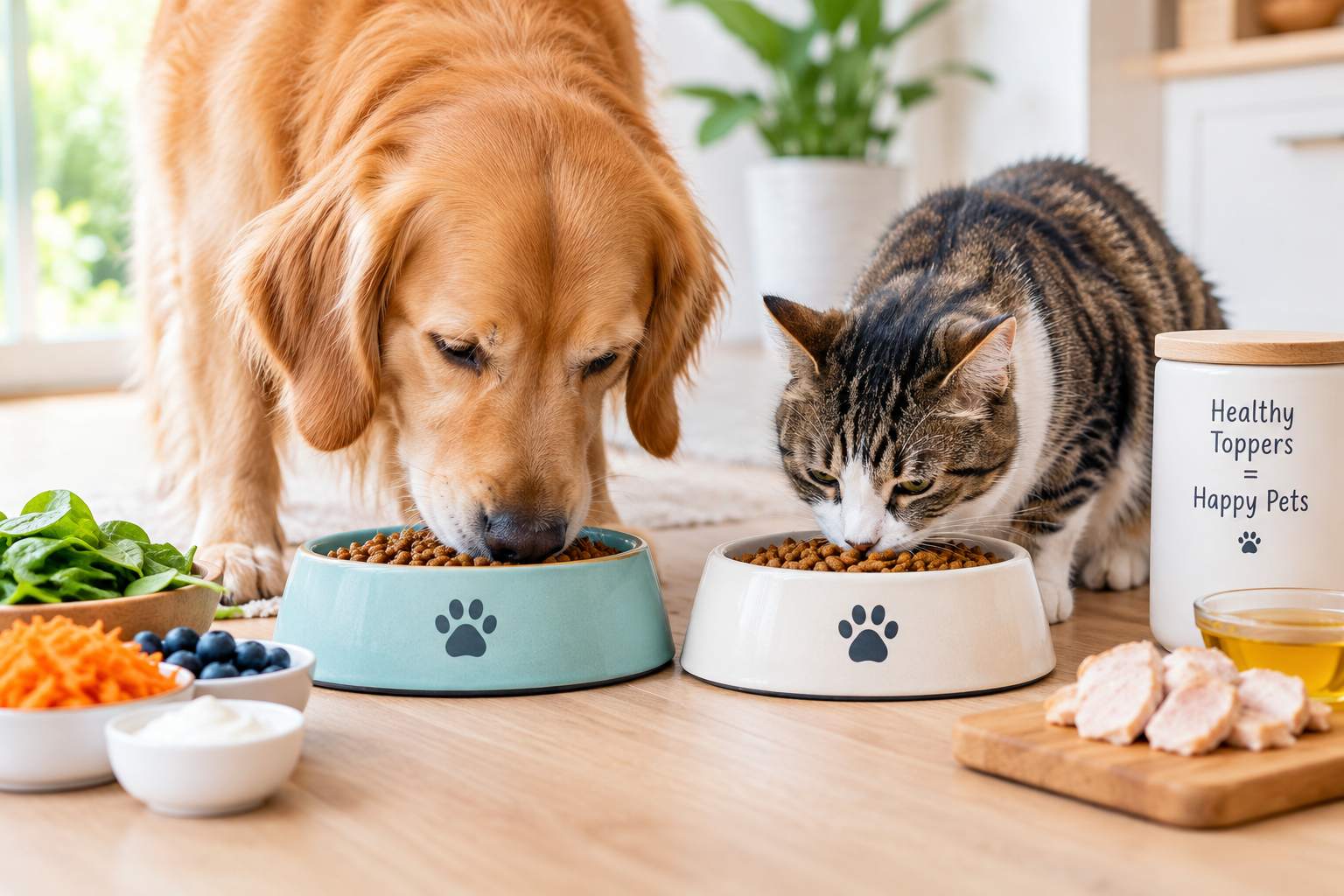
For many pet parents, adding a small amount of an appropriate fresh food can be an easy way to make mealtime more interesting. Options discussed in Animal Wellness Academy’s course material include certain fruits and vegetables, pumpkin puree, sardines, eggs, and meat.
Some additions also bring moisture to the bowl. This can be particularly useful for pets who don’t naturally drink much water, although fresh water should always be available.
The key is to think of additions as part of your pet’s overall diet, not as a free-for-all at mealtime. Your dog’s age, size, activity level, health status, and existing food all matter.
What are some kibble meal toppers for dogs?
There are plenty of possibilities, but not every food belongs in your dog’s bowl.
Pumpkin puree is one familiar option. Cooked vegetables such as carrots or green beans can provide variety, while certain fish, such as sardines, can add protein and omega-3 fatty acids.
You might also consider a little cooked meat or egg, depending on your dog’s individual nutritional needs.
Even simple additions should be introduced gradually. A sudden change in what your dog eats can cause digestive upset, so start with small amounts and pay attention to how your dog responds.
And remember, some foods that are perfectly fine for people can be dangerous for dogs. Grapes, raisins, onions, and garlic, for example, should not be added to a dog’s meal.
How can you make kibble more interesting?
Sometimes the goal isn’t to replace kibble. It’s simply to make a familiar meal a little more appealing.
Rotating appropriate toppers can introduce different flavors and textures. A splash of an appropriate moisture-rich addition can also change the consistency of dry food.
That variety can make feeding more engaging for some pets, but moderation still matters. Extras contribute calories and can change the balance of a diet if they become a large part of every meal.
If your dog has a medical condition, food sensitivity, or specific nutritional requirements, talk with your veterinarian before making significant dietary changes.
What will you learn about enhancing a kibble-based diet?
Choosing pet food can feel surprisingly complicated. Ingredient lists, feeding recommendations, toppers, supplements, and conflicting opinions can leave even a thoughtful dog parent wondering what actually belongs in the bowl.
The Enhancing Your Pet’s Kibble-Based Diet course gives you a closer look at ways to supplement a kibble-based diet with appropriate foods and meal toppers. It can help you think more carefully about variety and nutrition rather than simply adding whatever happens to be in the refrigerator.
That kind of knowledge can make everyday feeding decisions feel a lot more manageable.
Take Our Course: “Enhancing Your Pet’s Kibble-Based Diet”
Want to learn more about adding variety to your pet’s meals?
Our Enhancing Your Pet’s Kibble-based Diet course explores practical food additions and meal toppers that can complement a kibble-based diet, giving pet parents more information to consider when planning their companion’s meals.
Frequently Asked Questions
Is it okay to add fresh food to kibble?
It can be, provided the food is appropriate for your pet and the overall diet remains nutritionally suitable. Introduce new foods gradually and consider your pet’s individual needs.
What can I add to my dog’s kibble?
Appropriate options may include certain cooked vegetables, pumpkin puree, eggs, meat, or sardines. Avoid foods that are toxic to dogs, including grapes, raisins, onions, and garlic.
Can meal toppers replace my dog’s regular food?
Meal toppers are generally intended as additions rather than automatic replacements for a complete diet. Large dietary changes should be discussed with your veterinarian.
How can I learn more about improving my pet’s kibble-based diet?
The Enhancing Your Pet’s Kibble-Based Diet course explores practical ways to add appropriate foods and meal toppers to kibble-based meals.