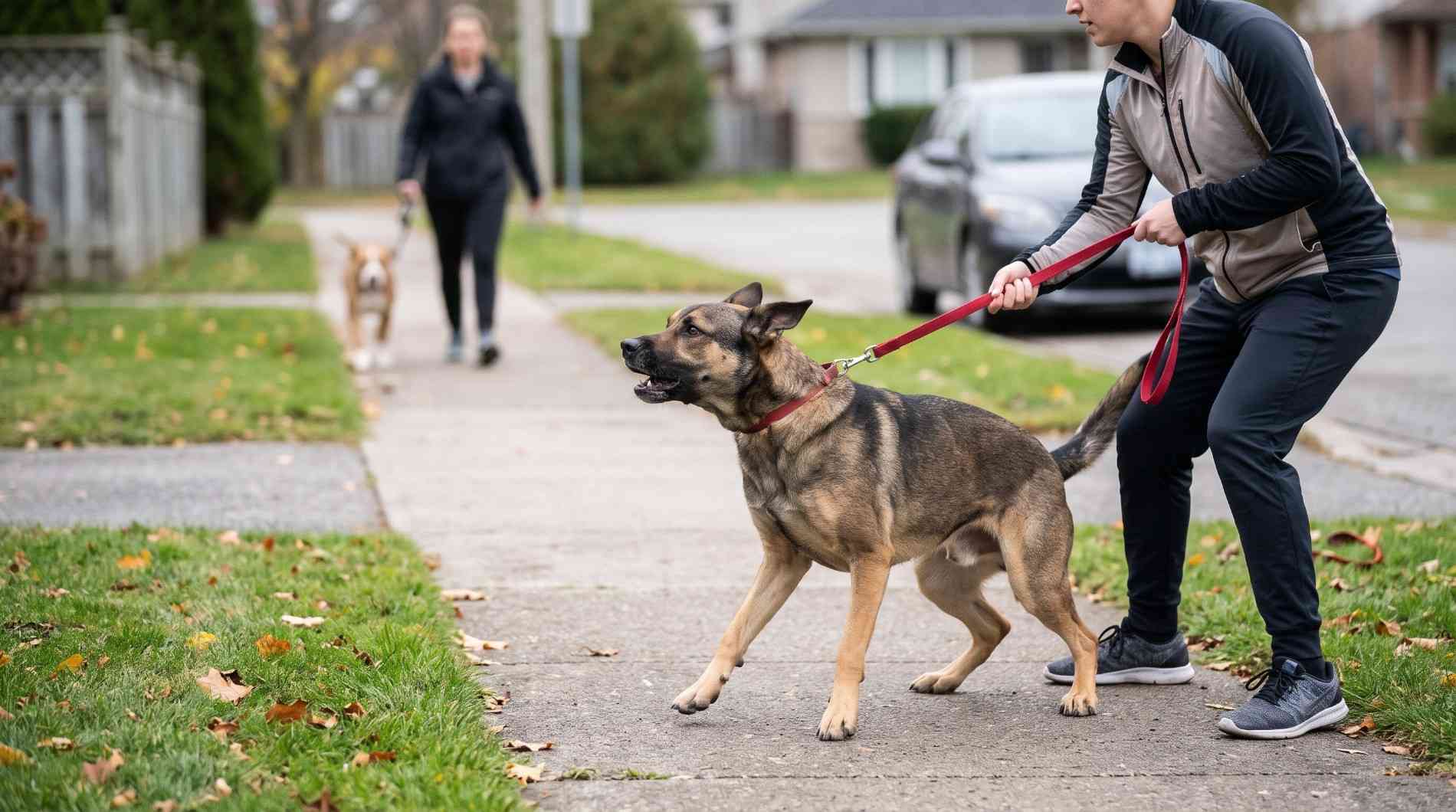
Does Your Dog Have Heart Disease? Signs Dog Parents Should Know
Heart disease can be difficult for dog parents to spot, especially in its earlier stages. A dog may seem a little less energetic than usual, tire more quickly on walks, or develop changes in breathing that are easy to dismiss as part of getting older.
TL;DR: Heart disease in dogs can have different causes and may look different from one dog to another. Knowing what changes to watch for can help you recognize when something deserves a closer look from your veterinarian. If you want to better understand canine heart disease and what dog parents should know, take our course “Does Your Dog Have Heart Disease?”.
What Are Some Signs of Heart Disease in Dogs?
Changes in your dog’s everyday behavior can sometimes be worth paying attention to.
A dog who once loved a long walk but now wants to turn around sooner may be telling you something. So might a noticeable drop in energy, reluctance to exercise, coughing, or changes in breathing. Some dogs may also show weakness or appear less interested in activities they normally enjoy.
These signs don’t automatically mean your dog has heart disease. They can occur with many other health problems, too. That’s why paying attention to patterns matters more than jumping to a conclusion based on one symptom.
Knowing your dog’s normal behavior gives you a useful baseline. You know how quickly your dog usually walks, how enthusiastically they greet you, and how they act after play. Changes from that normal routine are worth noticing.
Why Can Heart Disease Be Hard to Recognize?
Dogs can be remarkably good at carrying on with their routines even when something is wrong.
A gradual change may be especially easy to miss. Your dog might still want dinner, greet you at the door, and enjoy time with the family while becoming less comfortable during exercise.
Age can also complicate things. It’s tempting to assume a slower pace is simply part of getting older. Sometimes it is. But a new or worsening change shouldn’t automatically be written off as aging.
That is where learning more about canine heart health can help. Understanding the basics gives dog parents a better foundation for noticing changes and having more informed conversations with their veterinary team.
What Should You Do If You Notice Changes?
Start by paying attention.
Keep track of changes in energy, activity, breathing, coughing, or other behaviors that seem unusual for your dog. If something persists, worsens, or concerns you, contact your veterinarian. A veterinary professional can determine whether the changes are related to the heart or something else.
You don’t need to diagnose your dog yourself. Your role is to notice when your dog’s normal pattern has changed and share those observations.
Learning more can make those conversations easier, too. The Animal Wellness Academy course “Does Your Dog Have Heart Disease?” gives dog parents an opportunity to build their understanding of this important area of canine health.
Take Our Course: “Does Your Dog Have Heart Disease?”
Want to feel more informed about your dog’s heart health?
Explore our Does Your Dog Have Heart Disease? course to learn more about canine heart disease and the signs dog parents should understand.
Frequently Asked Questions
Can dogs develop heart disease?
Yes. Dogs can develop heart disease, and the condition can vary depending on the individual dog and underlying cause. A veterinarian is needed to determine whether a dog has a heart problem.
What are possible signs of heart disease in dogs?
Possible signs can include reduced exercise tolerance, changes in breathing, coughing, weakness, or lower energy. These signs can also have other causes.
Should I take my dog to the veterinarian if I notice changes?
If your dog’s behavior, breathing, energy, or exercise tolerance has changed, it’s a good idea to discuss those changes with your veterinarian.
Can pet parents diagnose heart disease at home?
No. Dog parents can notice changes and keep track of symptoms, but diagnosing heart disease requires veterinary evaluation.