

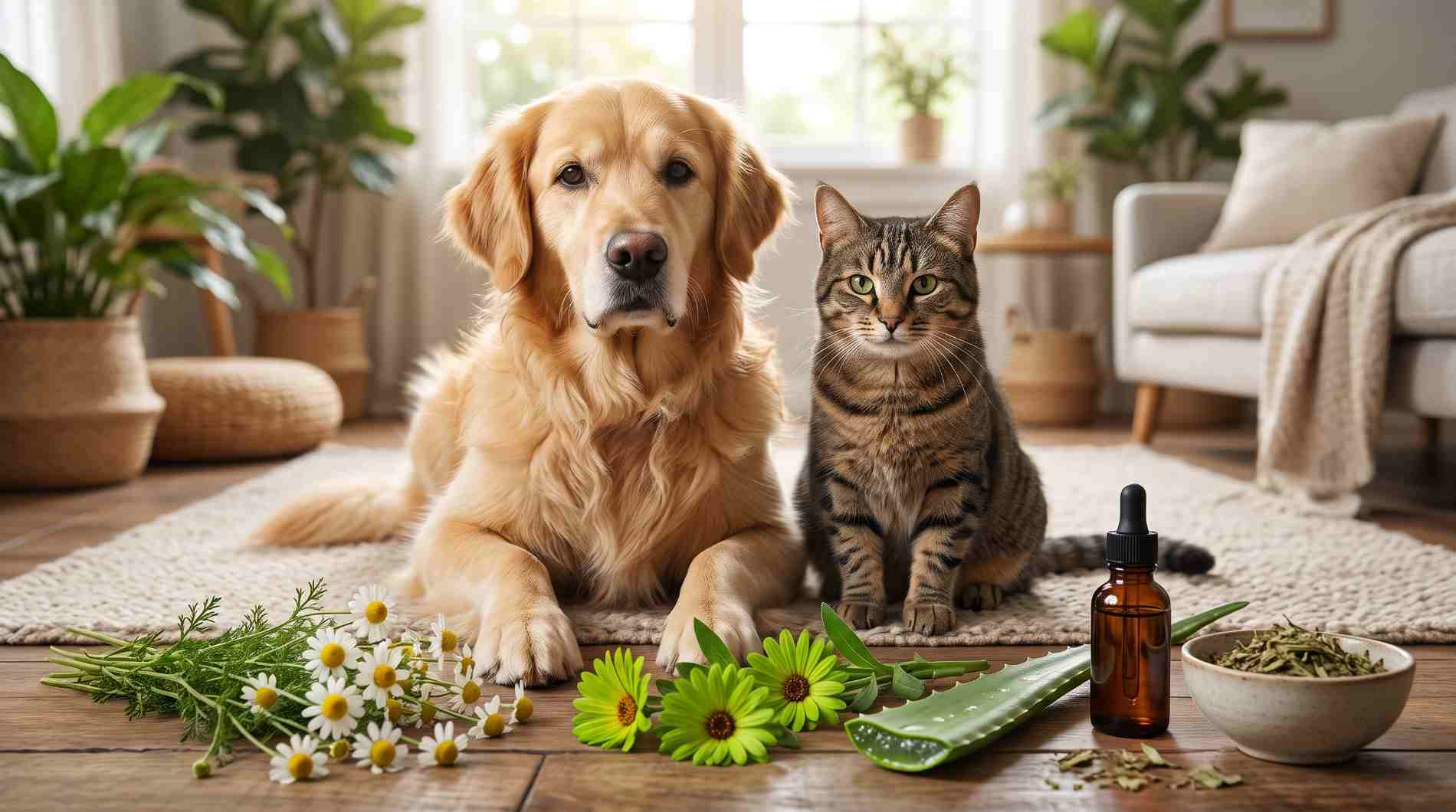
Skin-Soothing Herbs for Dogs and Cats: What Pet Parents Should Know
If your dog keeps scratching their ears or your cat seems uncomfortable in their own skin, it’s natural to look for ways to help. Itchy, irritated skin can leave pets restless, and watching them struggle to get comfortable can be hard for any pet parent.
Herbs and plant-based products may have a role in some pet skin-care routines, but choosing the right approach takes care. Itching can stem from allergies, fleas, infections, or other health concerns, and a soothing product won’t necessarily address the underlying cause.
TL;DR: Skin-soothing herbs for dogs and cats may be worth learning about, but natural doesn’t automatically mean safe or effective. Understanding product ingredients, possible risks, and when to seek veterinary care can help you make better decisions. Animal Wellness Academy’s Skin Soothing Herbs for Your Dog or Cat course offers a way to explore this topic and build your knowledge of plant-based pet skin care.
Why Might Your Dog or Cat Have Itchy Skin?
Scratching now and then is normal. Persistent itching, however, deserves attention, especially if your pet is licking their paws constantly, rubbing their face, losing fur, or developing red, flaky skin.
Common causes include fleas and other parasites, environmental or food allergies, bacterial or yeast infections, and reactions to grooming products. Cats may also overgroom when their skin feels uncomfortable.
Pay attention to when the problem started and whether anything has changed. A new shampoo, household cleaner, flea treatment, or food could be relevant information to share with your veterinarian.
Seek veterinary advice if the itching persists, keeps returning, or causes sores, bleeding, hair loss, or obvious discomfort. Skin infections and allergies can look similar, so guessing at the cause may delay the right treatment.
Which Skin-Soothing Herbs Are Used for Pets?
Some plant-based ingredients are used in pet skin-care products, but their effects depend on the ingredient, preparation, concentration, and animal receiving the treatment.
For example, colloidal oatmeal is used in certain veterinary shampoos and topical products to moisturize skin and relieve itching associated with surface skin irritation. It is not a cure for every skin condition, and the right product depends on your pet’s needs.
Herbal products may also contain botanical extracts traditionally used in skin care. However, research on many herbal treatments in dogs and cats remains limited, and some products can cause irritation or interact with medications. Your veterinarian can help determine whether a particular ingredient is appropriate for your pet.
Are Herbal Skin Remedies Safe for Dogs and Cats?
Not necessarily. A product labeled natural can still cause harm, and products safe for one species may not be safe for another.
Keep these precautions in mind before trying a herbal remedy:
- Avoid essential oils unless your veterinarian specifically recommends a suitable product. Tea tree oil, for example, can be highly toxic to dogs and cats.
- Check the full ingredient list. Avoid products with unclear ingredients or concentrations.
- Consider your pet’s health and medications. Herbal products can cause side effects or interact with prescribed treatments.
- Prevent licking when instructed. Pets may swallow topical products while grooming, which can create additional risks.
- Stop using a product if irritation develops. Contact your veterinarian if your pet’s symptoms worsen.
Never apply a homemade herbal mixture to broken or inflamed skin without veterinary guidance. A gentle intention doesn’t guarantee a gentle result.
How Can You Support Your Pet’s Skin Health Every Day?
Alongside veterinary care, simple habits can help you look after your dog’s or cat’s skin and coat. Use grooming products made for pets, rinse shampoos thoroughly, and avoid vigorous scrubbing. Check regularly for fleas, redness, scabs, unusual odors, and areas of thinning fur.
Keep track of recurring symptoms, too. Note when the itching happens, which areas are affected, and whether changes in food, surroundings, or grooming products seem to coincide with flare-ups. This information can help your veterinarian identify possible triggers.
Most importantly, don’t let a search for a soothing remedy delay an examination. Persistent itching often needs more than a topical product, especially when allergies or infections are involved.
Take Our Course: “Skin Soothing Herbs for Your Dog or Cat”
Curious about plant-based approaches to pet skin care?
Skin Soothing Herbs for Your Dog or Cat from Animal Wellness Academy is an opportunity to explore this topic and learn more about herbs used in skin-soothing routines. It can help you build your knowledge so you can ask better questions and have more informed conversations with your veterinarian about your pet’s care.
Frequently Asked Questions
Can herbs help soothe itchy skin in dogs and cats?
Some plant-based ingredients are used in pet skin-care products, but their effectiveness varies. It’s important to identify the cause of the itching and consult a veterinarian before trying herbal remedies.
Can I use the same herbal skin product on my dog and cat?
Not without checking first. Dogs and cats can respond differently to ingredients, and some products that seem harmless can be toxic to one or both species.
When should I take my pet to the vet for itchy skin?
Arrange a veterinary visit if itching persists, returns frequently, or causes hair loss, sores, bleeding, or significant discomfort. Seek prompt care if your pet’s condition worsens.
Are natural skin-care products always safe for pets?
No. Natural ingredients can cause irritation, toxicity, or medication interactions. Check the ingredients and ask your veterinarian whether a product is suitable for your pet.