
What Are Conservation Dogs and How Do They Help the Environment?
Dogs are known for helping people with jobs ranging from search and rescue to assistance work. But there is another field where their noses are making a remarkable difference: conservation.
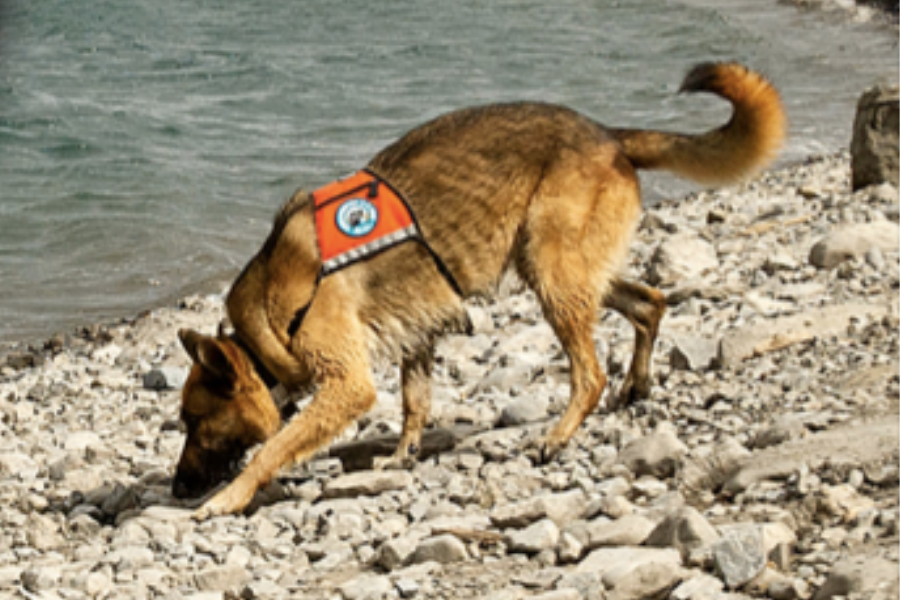
Conservation detection dogs are trained to locate specific scents connected to wildlife, plants, fungi, invasive species, or other conservation targets. Researchers and conservation teams can use these dogs to find things that might otherwise be difficult for people to locate.
TL;DR: Conservation dogs use their sense of smell to help researchers and wildlife professionals find animals, plants, biological samples, invasive species, and other targets. Their work can support surveys, monitoring, species protection, and wildlife management. It also shows how a dog’s natural abilities can be put to work far beyond the home.
Interested in how these remarkable working dogs do it? “Conservation Dogs” How they’re helping the environment explores the growing role of dogs in conservation.
What Is a Conservation Dog?
A conservation dog is a dog trained to detect a particular scent for an environmental or wildlife-related purpose.
The target might be a living animal. It could also be something an animal leaves behind, such as scat, hair, feathers, or another biological trace.
Dogs have been used to locate rare or elusive species, monitor wildlife populations, find invasive species, detect animal carcasses, and support other ecological surveys. Research has documented conservation detection work involving mammals, birds, reptiles, amphibians, insects, plants, fungi, and other targets.
That makes conservation detection a surprisingly broad field.
Why Are Dogs So Useful for Conservation Work?
A dog’s sense of smell is one of its greatest natural abilities.
Humans experience the world primarily through sight. Dogs gather a huge amount of information through scent. With appropriate training, that ability can be directed toward a particular odor target.
This can be useful when the target is difficult for people to see.
An animal might be hiding in dense vegetation. A plant might be small and surrounded by similar species. A wildlife population might be difficult to count by sight alone.
A trained dog may be able to locate scent evidence that helps researchers understand what is present in an area.
What Can Conservation Dogs Find?
The list is surprisingly wide.
Conservation detection dogs have been used to locate:
- Wildlife
- Wildlife scat
- Feathers
- Animal carcasses
- Nests and burrows
- Invasive species
- Rare plants
- Fungi
- Biological samples
- Wildlife products connected to illegal trade
Some dogs work with a single target. Others may be trained to identify multiple odors.
A 2024 review found conservation detection dogs had been used across a wide range of species and settings, but also emphasized that their effectiveness can vary depending on factors such as training, the environment, the target scent, the dog, and the handler.
That last point is important.
A dog’s nose may be extraordinary, but successful conservation work involves much more than simply putting a dog outside and asking it to search.
Can Conservation Dogs Help Protect Endangered Species?
They can contribute to conservation projects involving threatened or difficult-to-detect species.
Finding an animal is not always the goal. Sometimes finding evidence that an animal has been present can be just as useful.
For example, scat can provide information about where a species is living. Researchers may be able to use biological material from scat to identify species or individuals and learn more about a population.
This can give conservation teams information without requiring them to locate every animal directly.
Dogs can also be used in projects involving invasive species, where finding a target early or locating it accurately can help inform management decisions.
Are All Dogs Good Candidates for Conservation Work?
No.
A dog does not become a conservation detection dog simply because it has a good nose.
Research points to several factors that can affect detection work, including the dog’s physical abilities, personality, motivation, health, training, and relationship with the handler.
The handler matters too.
A conservation dog and handler work as a team. The handler needs to understand the dog’s behavior, recognize changes in performance, manage searches appropriately, and interpret alerts without influencing the dog.
That combination of canine ability and human skill is part of what makes this work so interesting.
How Do Conservation Dogs Support Wildlife Research?
Conservation dogs can help researchers gather information that would otherwise take considerable time to collect.
They can search large areas for particular scents and may locate evidence that people would overlook.
They can also work in environments where visual surveys are difficult.
That does not mean dogs are automatically better than every other research method. Conservation detection has limitations, and results can vary between projects. Researchers need appropriate training, study design, testing, and quality control to understand how reliable a dog’s performance is.
Used correctly, however, detection dogs can become another valuable tool in the conservation toolbox.
Could Your Dog Have the Right Skills?
The idea of a conservation dog may sound like something reserved for specialized working breeds.
It isn’t quite that simple.
Breed can play a role in a dog’s physical abilities and temperament, but individual personality, motivation, health, trainability, and the specific demands of the job also matter.
Some dogs simply love searching.
They enjoy using their noses, investigating new environments, and working toward a goal. Those traits can make scent-based activities especially rewarding.
That does not mean every enthusiastic sniffer is ready for professional conservation work. Specialized detection requires careful training and a suitable working environment.
Why Is This Work So Interesting?
Conservation dogs show us another side of the human-animal relationship.
Dogs have worked alongside people for generations. We often think about their roles in homes, farms, security, assistance, or sport. Conservation adds another possibility: using a dog’s natural abilities to help us better understand and protect the world around us.
Their work can support wildlife surveys, ecological research, invasive-species management, and efforts to protect vulnerable species.
And it all starts with something dogs have been doing naturally for thousands of years.
Sniffing.
Take Our Course: “Conservation Dogs” How they’re helping the environment
“Conservation Dogs” How they’re helping the environment is a short course that explores how dogs are helping researchers and conservation teams protect wildlife and the environment.
You’ll learn more about conservation detection dogs, the types of work they perform, and the remarkable ways their natural abilities can support environmental efforts.
It’s a quick introduction to an unusual and fascinating area of canine work.
Frequently Asked Questions
What is a conservation detection dog?
A conservation detection dog is trained to locate specific scents connected to wildlife, plants, biological samples, invasive species, or other conservation targets.
What can conservation dogs find?
Depending on their training, dogs can locate wildlife, scat, feathers, carcasses, nests, invasive species, plants, fungi, and other biological or environmental targets.
Are conservation dogs used to find endangered animals?
Yes. Detection dogs have been used in projects involving rare and threatened species, including searches for animals and evidence such as scat or other biological traces.
Does a conservation dog have to be a specific breed?
No single breed is suitable for every conservation job. Individual traits such as health, motivation, temperament, physical ability, and trainability can all matter.
Are conservation dogs always accurate?
No. Their performance can vary based on the dog, handler, training, target scent, environment, and search methods. Proper study design and testing are important when using detection dogs for scientific work.