
A Natural Approach to Positive Dog Behavior: What Pet Parents Should Know
When your dog barks at visitors, hides during a thunderstorm, or reacts strongly to unfamiliar situations, it can be hard to know what they need. You might focus on stopping the behavior, but understanding what your dog is feeling can be just as important.
A dog’s behavior can be influenced by past experiences, fear, stress, their environment, and the way people respond to them. Looking at the whole picture can help you respond with more patience and make thoughtful choices about their care.
A natural approach to positive behavior considers emotional well-being alongside everyday training and management. It may also include exploring complementary approaches, such as plant-based remedies, with appropriate professional guidance.
TL;DR: A natural approach to positive dog behavior starts with understanding what may be behind a behavior rather than simply trying to stop it. Consistent routines, reward-based training, and attention to your dog’s emotional needs can support better interactions. Animal Wellness Academy’s Natural Approach to Positive Behavior course explores animal behavior, case studies involving difficult past experiences, and the potential role of plant-based remedies in animal wellness.
Why Should You Look Beyond Your Dog’s Behavior?
Barking, hiding, growling, or pulling away can communicate discomfort, fear, excitement, or a need for space. These behaviors don’t automatically mean a dog is being stubborn or deliberately difficult.
Consider a dog who growls when someone approaches their food bowl. Punishing the growl may suppress the warning without addressing the dog’s discomfort. Giving the dog space, managing the situation safely, and working with a qualified behavior professional can help address the underlying concern.
Look for patterns, too. Does your dog react more strongly around strangers, during loud noises, or after a change in routine? Noticing when a behavior occurs can help you identify possible triggers and decide what support your dog needs.
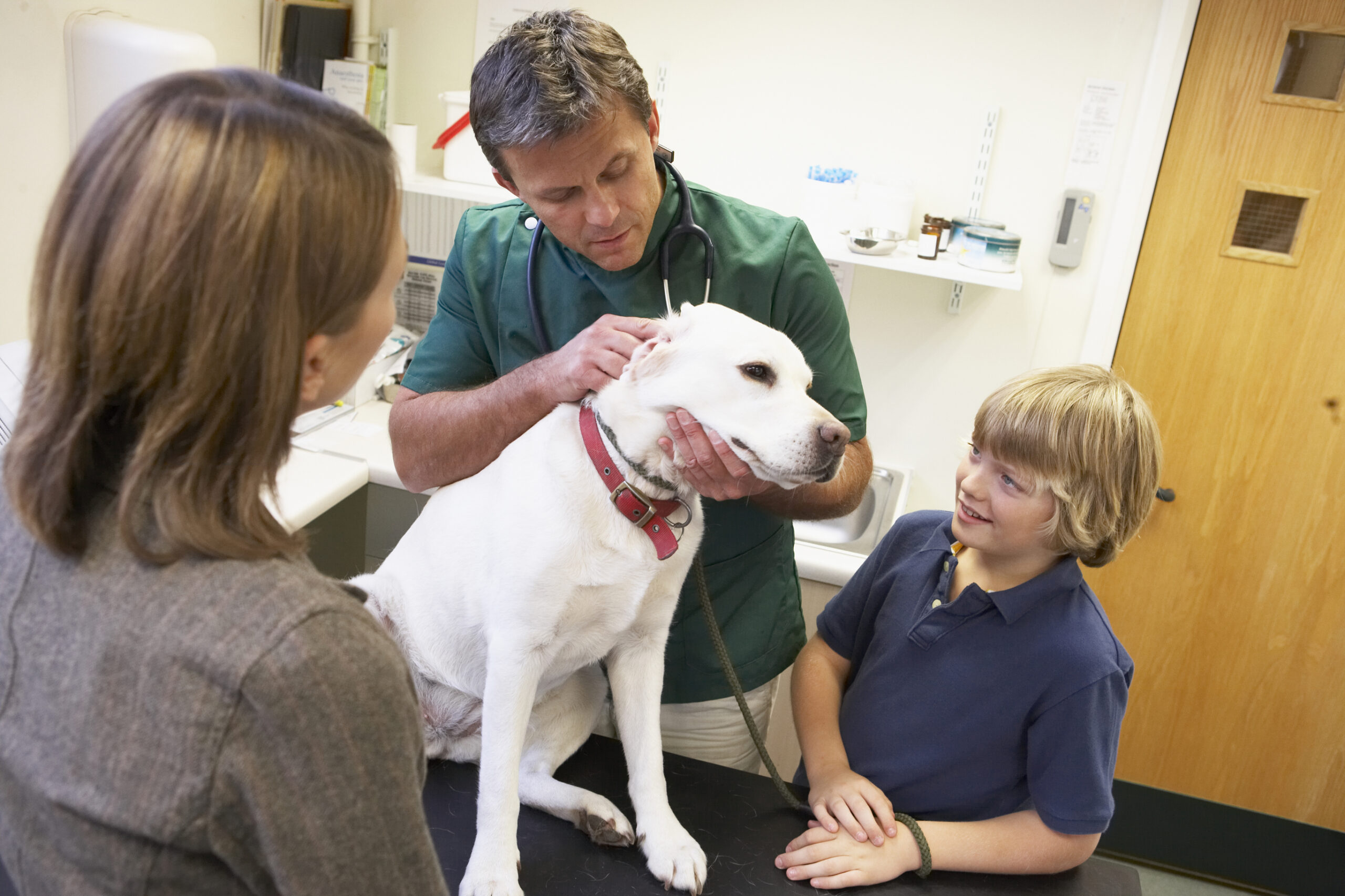
Sudden changes in behavior may also signal pain or illness, so consult your veterinarian if your dog becomes unusually fearful, irritable, withdrawn, or reactive.
How Can You Encourage Positive Behavior Naturally?
Start with the everyday things that help your dog feel secure. Predictable routines, appropriate exercise, mental enrichment, quiet rest, and positive interactions all contribute to a supportive home environment.
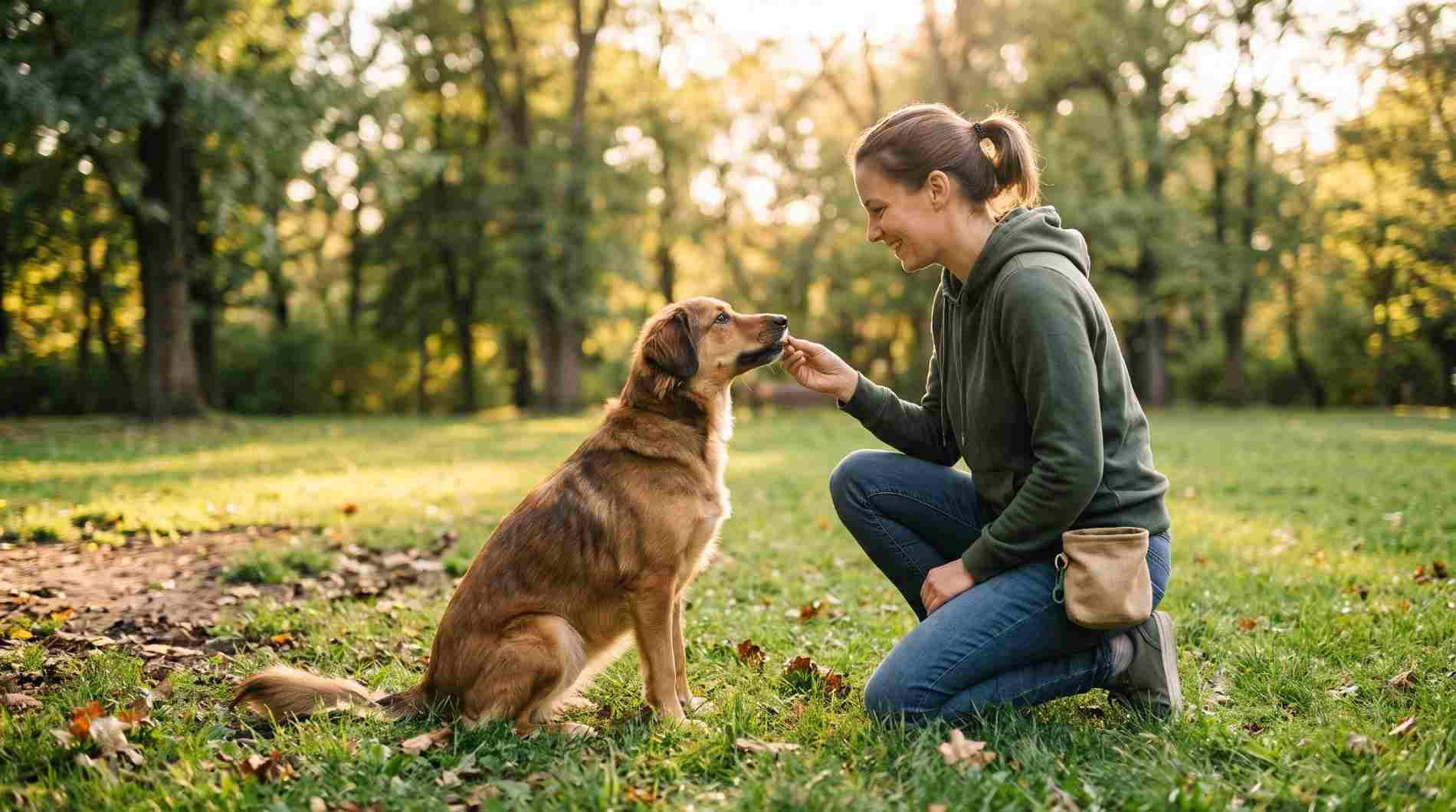
Reward-based training is another useful tool. When your dog performs a behavior you want to encourage, such as settling on a mat or greeting someone calmly, reward them promptly. Keep practice sessions manageable and adjust the difficulty to your dog’s comfort level.
Avoid forcing your dog into situations that frighten them. Gradual exposure, when appropriate, should happen at a pace they can handle. For serious fear, aggression, or anxiety, ask your veterinarian or a qualified behavior professional for an individualized plan.
What Role Can Natural Remedies Play in Animal Behavior?
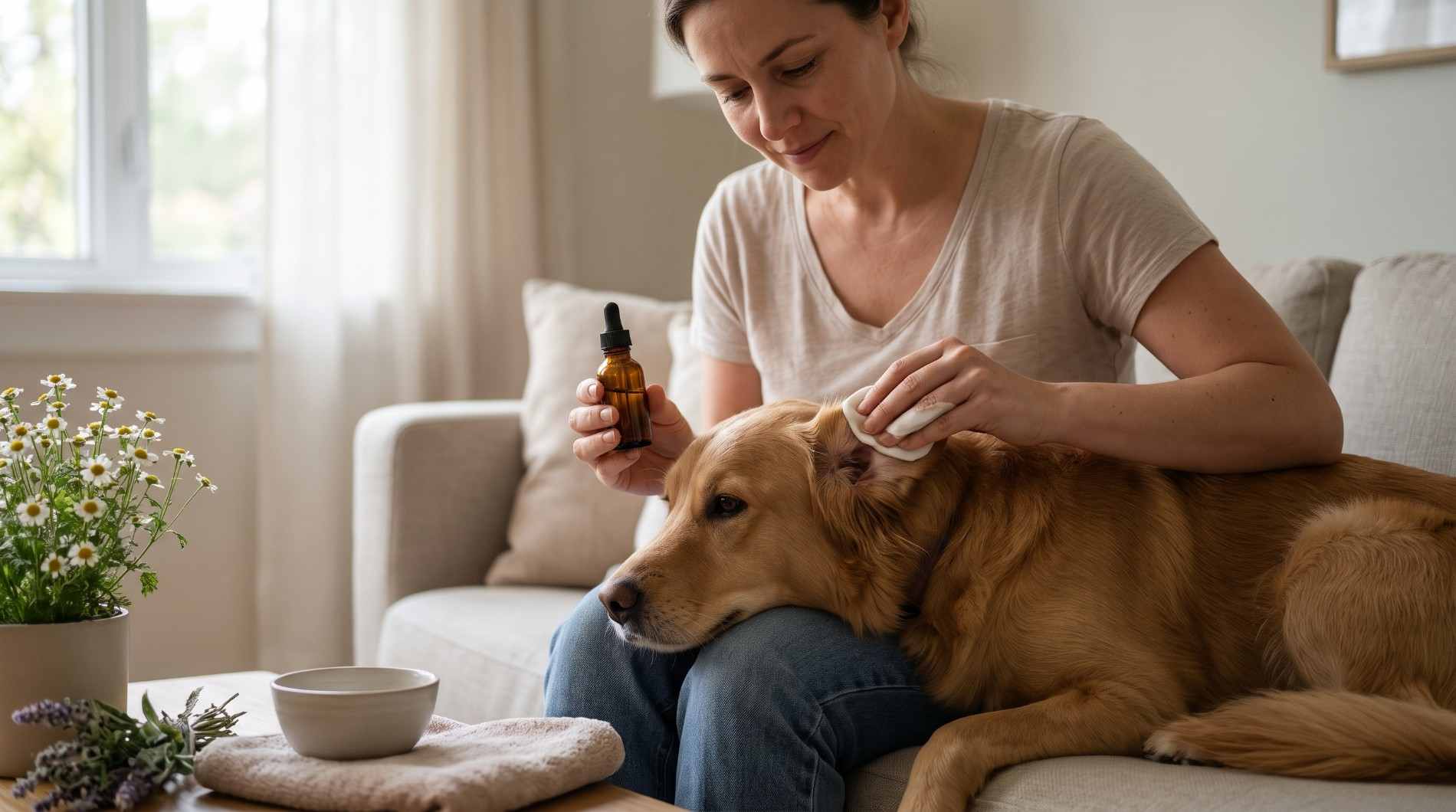
Some complementary approaches use flower essences, essential oils, or homeopathic remedies as part of an animal wellness routine. Animal Wellness Academy’s Natural Approach to Positive Behavior course explores plant-based remedies and their proposed applications, alongside examples of animals dealing with difficult past experiences.
However, natural does not automatically mean safe or effective. Scientific evidence for many complementary remedies used to change animal behavior is limited, and these products should not replace veterinary assessment or evidence-based behavior care.
Essential oils deserve particular caution because some can be toxic to dogs and cats, depending on the substance, concentration, route of exposure, and animal involved. Never give an essential oil orally or apply a concentrated product to your dog without veterinary guidance. If you’re considering a remedy, discuss the specific product with your veterinarian first.
How Can You Better Understand Your Dog’s Emotional Needs?
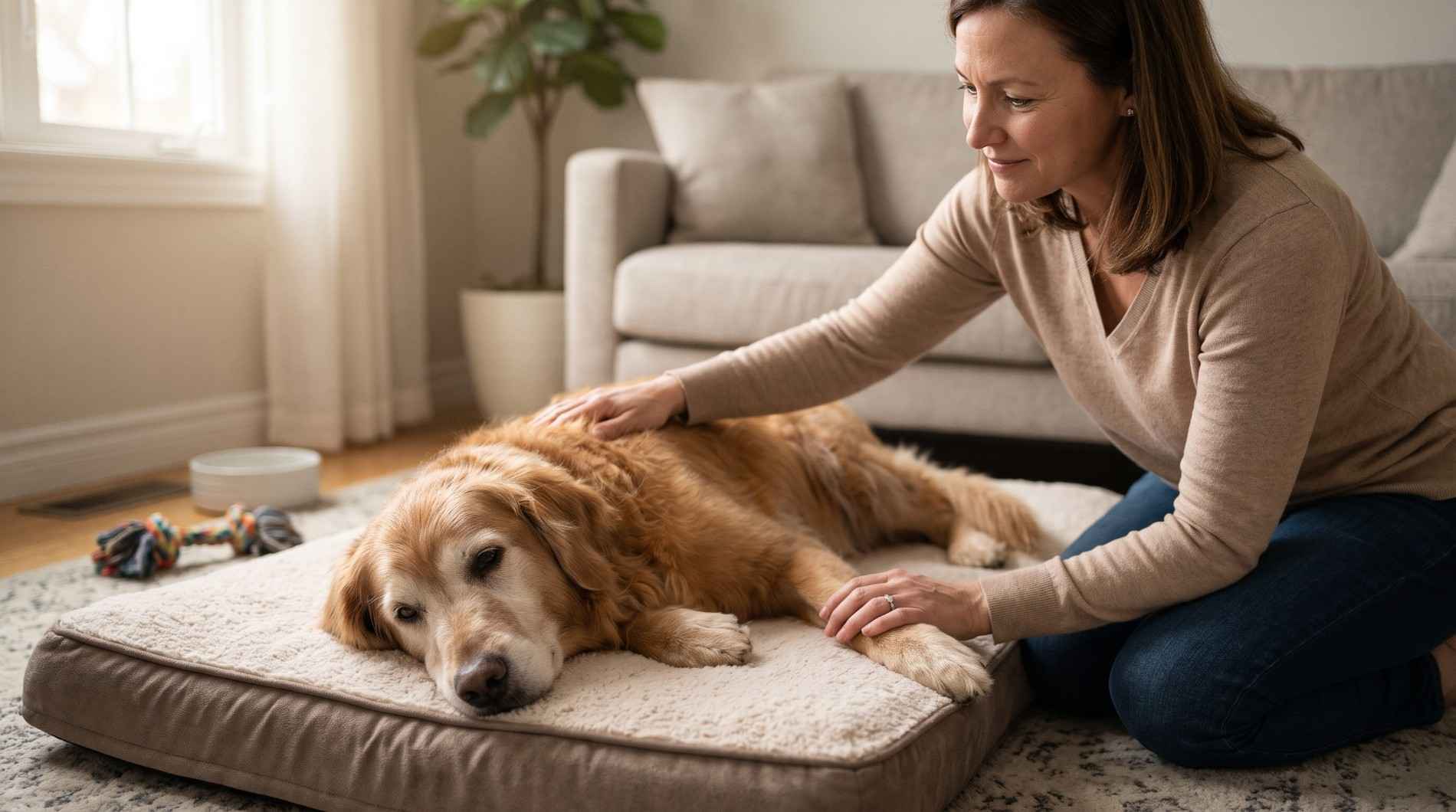
Pay attention to body language as well as behavior. A dog who turns away, tucks their tail, freezes, or repeatedly tries to leave may be uncomfortable. Give them room to move away rather than insisting on an interaction.
Keep a simple record of recurring behavior, including what happened beforehand, your dog’s response, and what helped them settle. This can reveal patterns worth discussing with your veterinarian or trainer.
Learning to notice these details can make it easier to choose an appropriate response rather than reacting out of frustration. The goal isn’t to make every behavior disappear overnight. It’s to understand your dog better and help them feel safer while building skills for everyday life.
Take Our Course: “Natural Approach to Positive Behavior”
Want to explore how emotional well-being, past experiences, and complementary remedies relate to animal behavior?
Animal Wellness Academy’s Natural Approach to Positive Behavior course introduces practical applications and case studies, along with plant-based approaches discussed in animal wellness. It can help you explore the subject further while keeping your dog’s individual needs and safety in mind.
Frequently Asked Questions
What is a natural approach to positive dog behavior?
It considers a dog’s emotional and physical needs while using supportive routines, reward-based training, and careful attention to behavior triggers. Complementary remedies may be explored, but their safety and evidence should be assessed individually.
Can natural remedies stop unwanted dog behavior?
There is limited scientific evidence that many natural remedies reliably change behavior. Fear, anxiety, and aggression may need veterinary assessment and a structured behavior plan rather than supplements or remedies alone.
Are essential oils safe for dogs?
Not all essential oils are safe for dogs. Some can cause harm through ingestion, skin exposure, or inhalation. Ask your veterinarian before using an essential oil around or on your dog.
When should I seek professional help for my dog’s behavior?
Seek veterinary advice for sudden behavior changes, signs of pain, or persistent anxiety. If your dog growls, snaps, bites, or shows serious fear, consult your veterinarian and a qualified behavior professional to plan safe, appropriate support.