
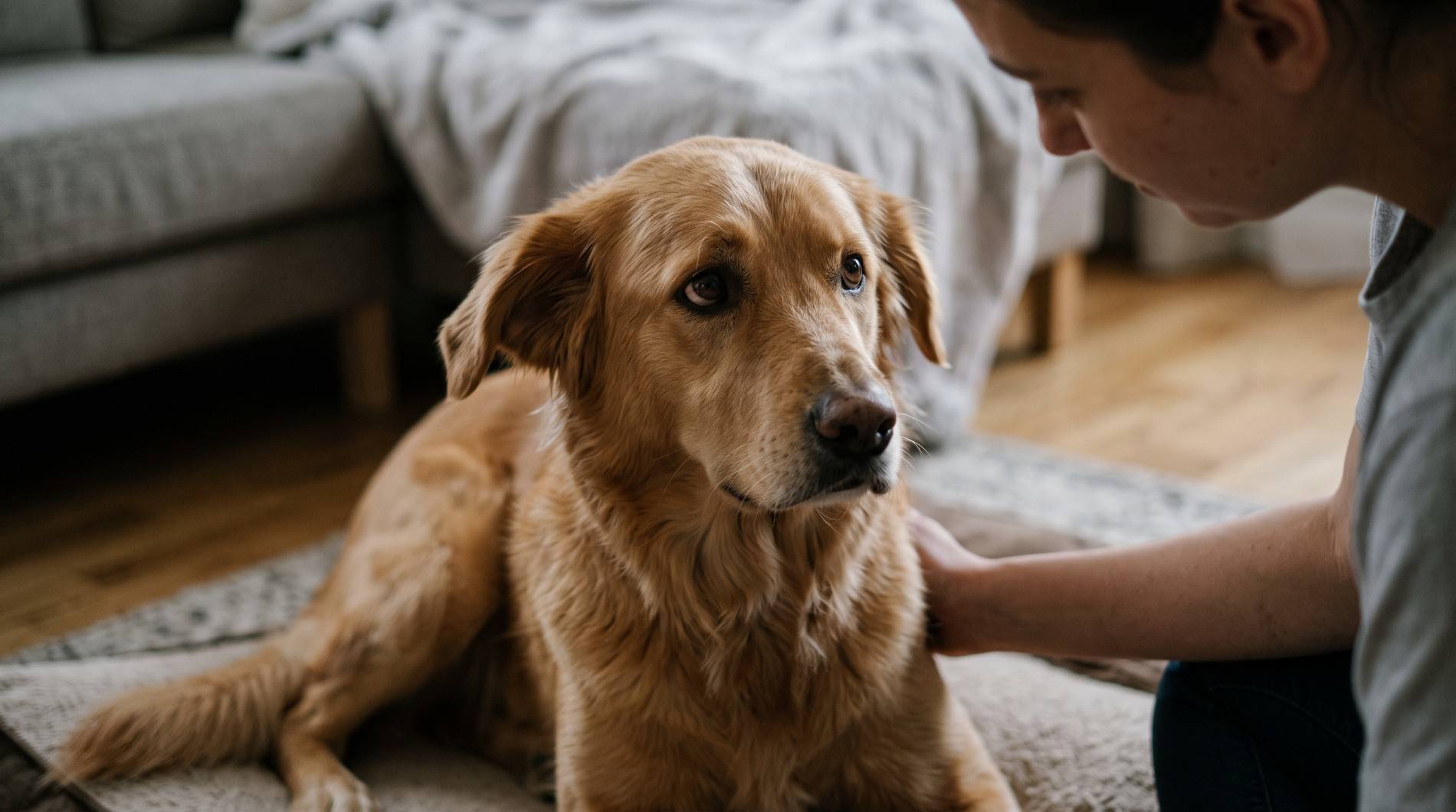
How Can You Tell If Your Dog Is in Pain?
Your dog may not yelp, limp, or cry when something hurts. Sometimes, the signs are much quieter: skipping a favorite game, hesitating before jumping onto the couch, or becoming unusually grumpy when you reach to pet them.
Dogs can’t tell us where it hurts, so recognizing changes in their everyday behavior matters. Learning what to watch for can help you notice discomfort sooner and know when it’s time to call your veterinarian.
TL;DR: Signs of pain in dogs can include limping, stiffness, changes in appetite, unusual behavior, restlessness, or sensitivity to touch. Because some dogs hide discomfort, pay attention to changes from their normal routine. Explore Animal Wellness Academy’s How to Know If Your Dog Is in Pain course to learn more about recognizing possible signs of pain.
What Are the Common Signs of Pain in Dogs?
Pain doesn’t look the same in every dog. An injury may cause obvious limping, while dental discomfort or an internal problem may show up through less noticeable changes.
Watch for signs such as:
- Changes in movement: Limping, stiffness, difficulty standing, reluctance to climb stairs, or avoiding jumps.
- Changes in behavior: Hiding, withdrawing from family activities, becoming irritable, or reacting when touched.
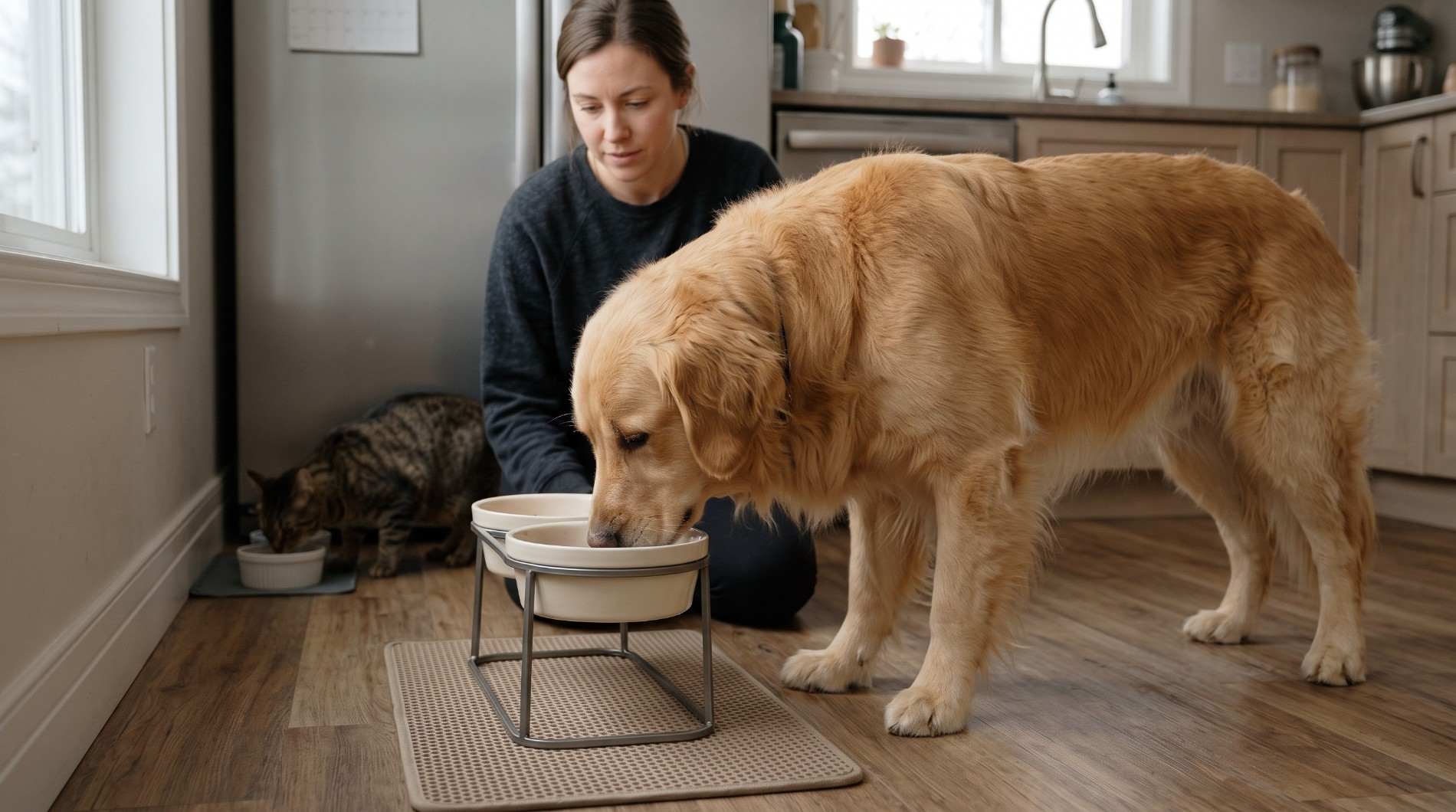
- Changes in appetite: Eating less, dropping food, chewing differently, or losing interest in meals.
- Unusual posture: Hunching, holding a body part differently, or repeatedly shifting position.
- Restlessness or vocalization: Whining, pacing, panting at rest, or struggling to settle comfortably.
These signs don’t automatically mean your dog is in pain. They can have other causes, too. However, new or persistent changes deserve attention.
Why Do Dogs Sometimes Hide Their Pain?
Some dogs continue their usual routines even when they’re uncomfortable. They may still greet you at the door or show interest in food, making it easy to overlook a developing problem.
You might notice that your dog walks more slowly, takes longer to lie down, or no longer enjoys being touched in a particular area. These small differences can be more revealing than waiting for an obvious cry or limp.
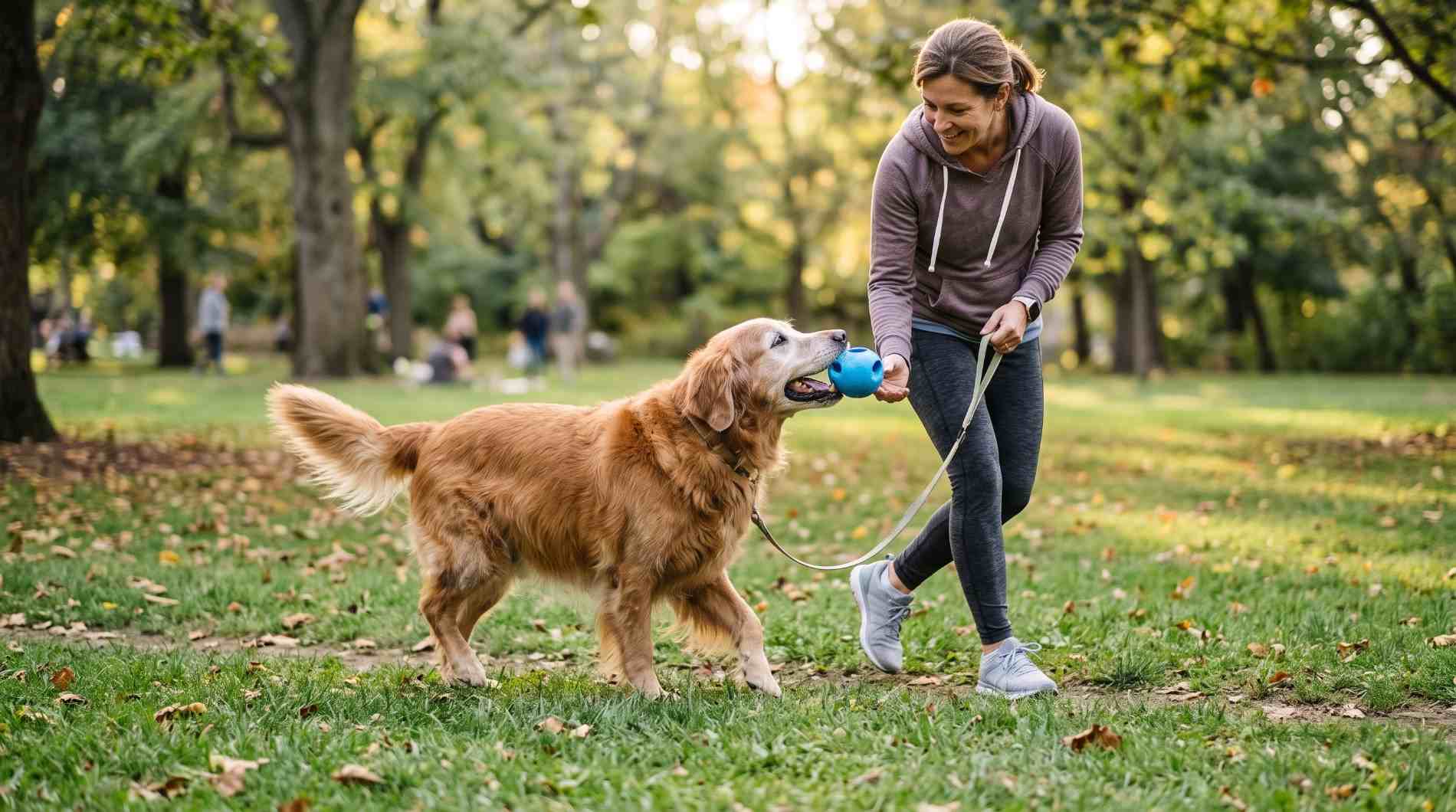
Knowing your dog’s normal habits helps. If your usually playful companion suddenly avoids games, or your affectionate dog starts moving away from your hand, take the change seriously.
Can Changes in Behavior Signal Pain?
Yes. Physical discomfort can affect how a dog interacts with people and other animals.
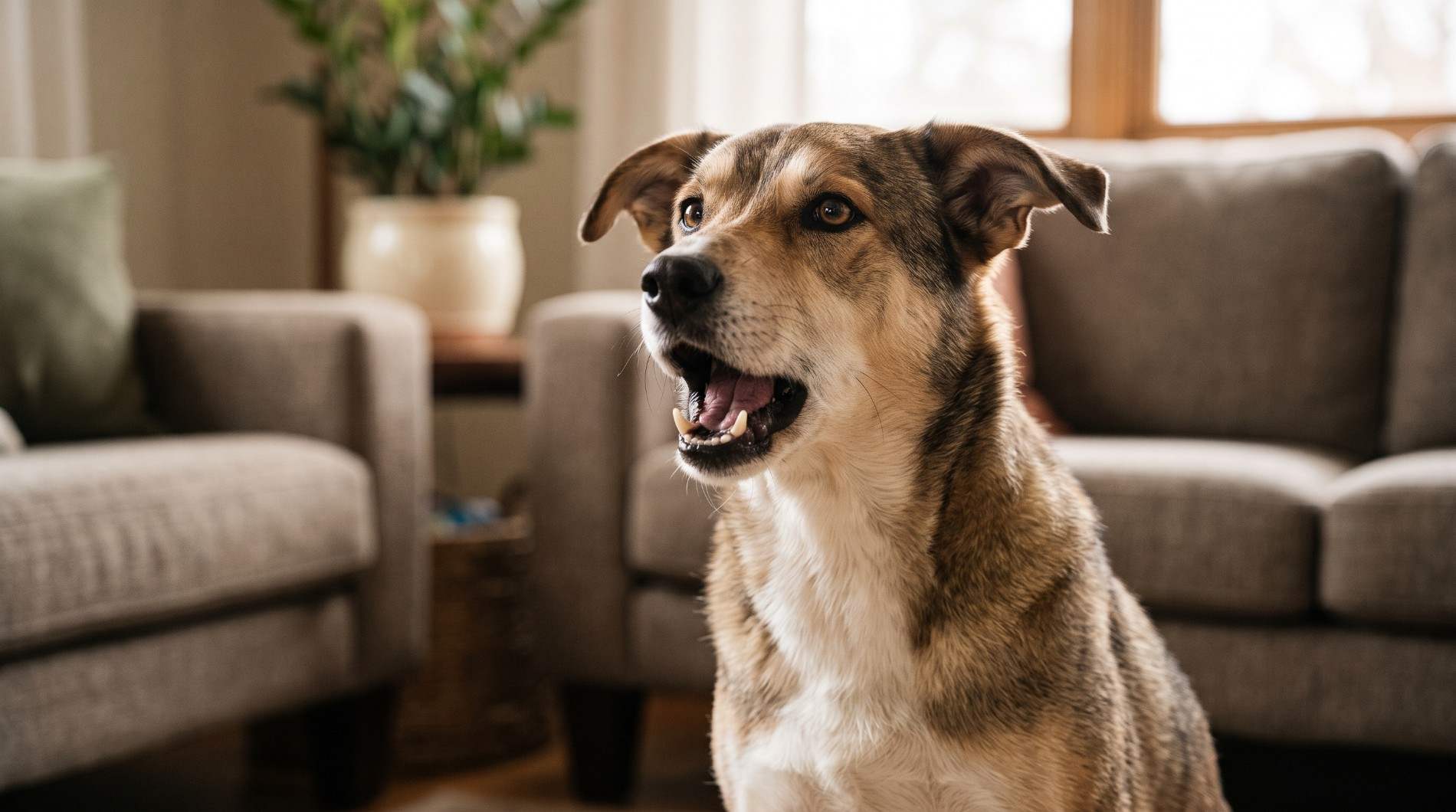
A dog who growls when approached, avoids being picked up, or becomes less social may be trying to protect a painful area. Don’t assume the behavior is simply stubbornness or a training problem.
Avoid repeatedly touching a sensitive spot to see whether your dog reacts. Give them space and arrange a veterinary assessment, especially if the behavior change is sudden. Pain and other health concerns can sometimes contribute to unusual behavior.
What Should You Do If You Think Your Dog Is Hurting?
Start by observing what has changed. Note when the signs began, whether they come and go, and what activities seem difficult. Short videos of unusual movement can also help your veterinarian understand what you’re seeing.
Contact your veterinarian for advice and an examination. Seek urgent veterinary care for severe pain, major injuries, difficulty breathing, collapse, or sudden inability to stand or walk.
Don’t give your dog human pain medication unless a veterinarian specifically directs you to. Some common human medications can be dangerous to dogs.
Take Our Course: “How to Know If Your Dog Is in Pain”
Want to become more confident at recognizing signs that your dog may be uncomfortable?
Animal Wellness Academy’s How to Know If Your Dog Is in Pain course offers an opportunity to learn more about recognizing canine pain and understanding when changes in your dog’s behavior or movement deserve attention.
Frequently Asked Questions
What are the first signs that a dog may be in pain?
Early signs can include stiffness, reduced activity, changes in appetite, restlessness, or reluctance to do familiar activities. Even subtle changes are worth noticing.
Can a dog be in pain without limping?
Yes. Pain may show up as changes in posture, behavior, appetite, sleep, or willingness to be touched, even without a visible limp.
Should I wait to see if my dog’s pain goes away?
Don’t ignore persistent or worsening signs. Contact your veterinarian for guidance, and seek urgent care if symptoms are severe or sudden.
Can I give my dog human painkillers?
Never give human pain medication without veterinary direction. Some medications that people use safely can cause serious harm to dogs.