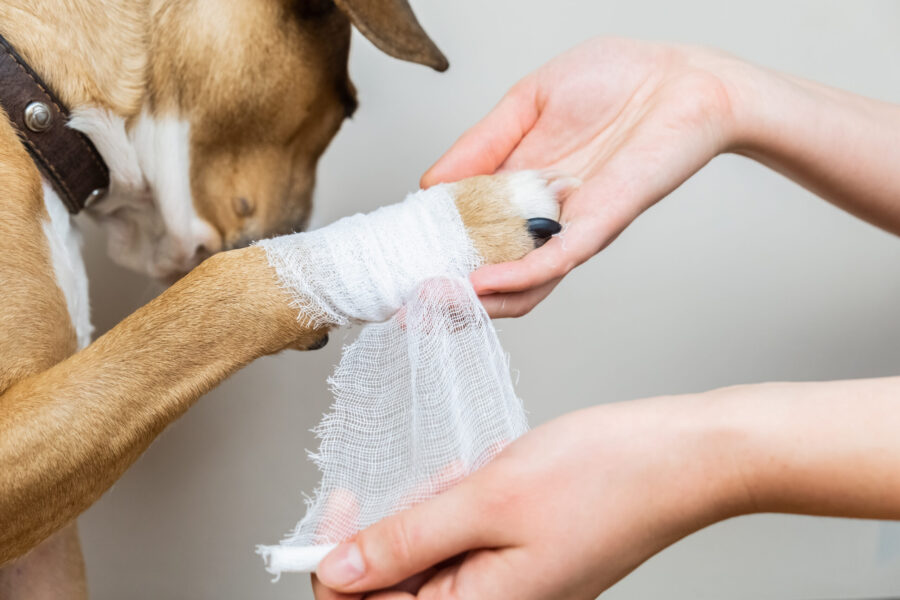

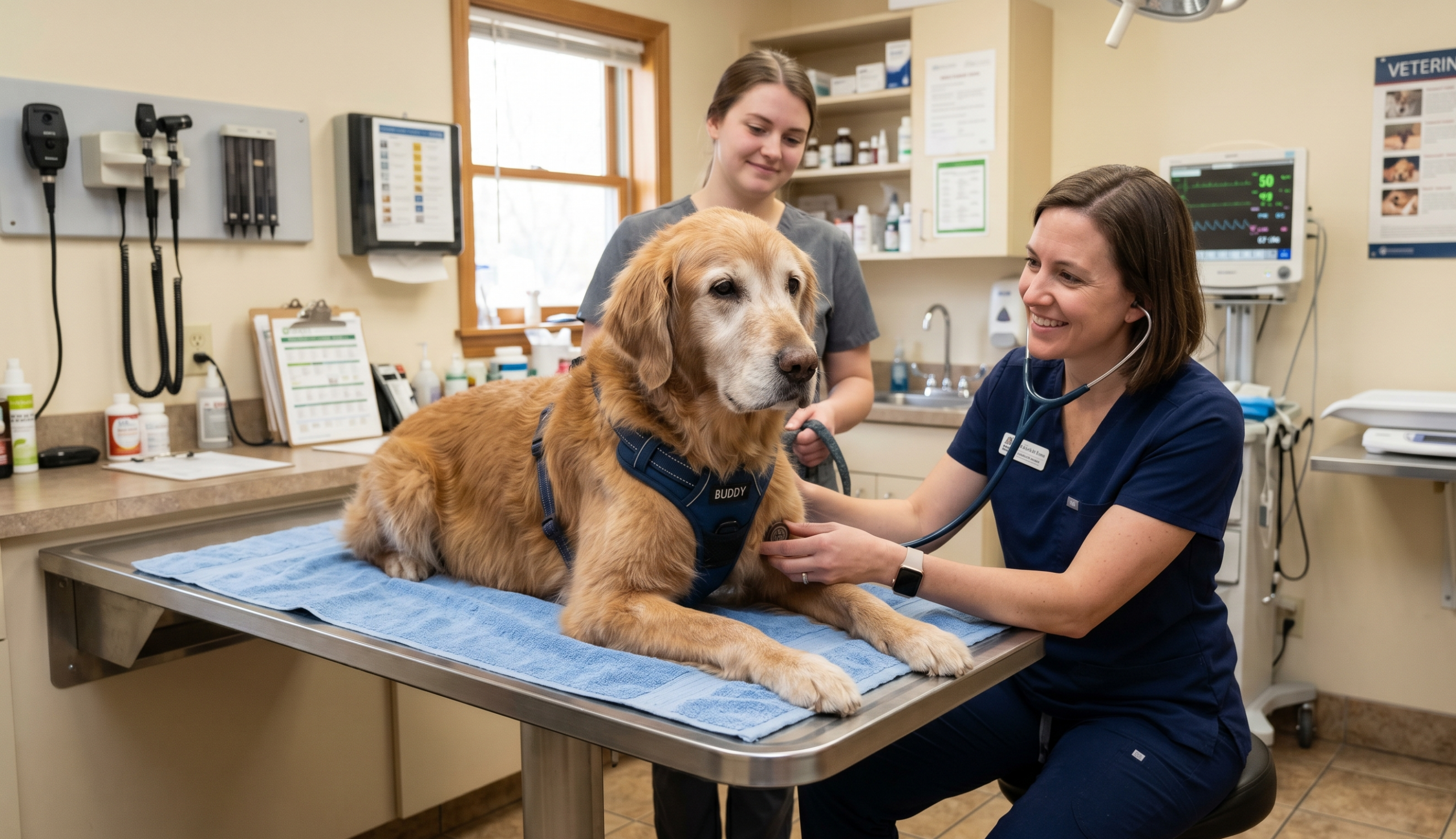
Veterinary palliative medicine (VPM) is rapidly gaining recognition as a discipline that prioritizes the comfort and dignity of animals living with chronic or terminal illness. Yet its scope extends far beyond the patient. When framed within the One Health paradigm, VPM becomes a multidisciplinary practice that integrates animal welfare, caregiver well-being, and ecological sustainability. This holistic perspective challenges veterinary professionals to balance clinical efficacy, ethical responsibility, and environmental stewardship in end-of-life care.
Clinical and Ethical Dimensions of Euthanasia
Euthanasia remains a cornerstone of compassionate veterinary practice. Protocols using barbiturates such as pentobarbital are widely regarded as reliable for ensuring rapid and peaceful death. However, their persistence in soil and groundwater, coupled with risks of secondary toxicity in scavenger species, raises significant environmental concerns. Research into alternatives such as lidocaine and mepivacaine has shown promise in reducing ecological impact, but these agents currently fail to meet welfare standards due to reflex activity and potential distress for owners. Transitioning to environmentally safer euthanasia methods will require rigorous validation that safeguards both animal welfare and human psychological resilience.
Ethical decision-making in end-of-life care is complex. Veterinarians must weigh the benefits of euthanasia against the potential for palliated death, considering professional guidelines, client expectations, and the mental health of both owners and clinicians. Moral uncertainty and grief can intensify caregiver burden, underscoring the need for structured communication strategies and shared decision-making frameworks.
Human–Animal Bond and Caregiver Well-Being
The human dimension of VPM is inseparable from its clinical practice. Companion-animal illness and death often trigger profound emotional responses, including prolonged grief, moral distress, and caregiver fatigue. Studies highlight that bereavement reactions may be exacerbated when owners struggle with euthanasia decisions or witness the gradual decline of their pets during palliated death. Veterinary teams must therefore integrate grief support, communication training, and post-loss counseling into their practice. Such measures not only protect client well-being but also mitigate compassion fatigue among veterinary professionals.
Pharmaceutical Stewardship and Environmental Risks
Beyond euthanasia, the pharmaceuticals used in palliative care—NSAIDs, antibiotics, chemotherapeutics, and telmisartan—pose emerging environmental hazards. These compounds can enter ecosystems through excretion, wastewater, or improper carcass disposal, contributing to antimicrobial resistance, endocrine disruption, and bioaccumulation. Addressing these risks requires interdisciplinary collaboration among veterinarians, toxicologists, and regulators to establish eco-responsible prescribing and disposal protocols. Preference should be given to short half-life or biodegradable compounds, alongside compliance with existing frameworks such as EU Regulation (EC) No 1069/2009 and U.S. EPA RCRA standards.
After-Care Practices and Sustainability
After-care decisions—home burial, cremation, or alternative methods—carry ecological consequences. Home burial, if improperly managed, risks contaminating soil and groundwater with pharmaceutical residues. Cremation, while widely practiced, contributes to carbon emissions. Emerging technologies such as alkaline hydrolysis (aquamation) offer low-impact alternatives, aligning with sustainability goals. Consistent implementation of existing regulatory frameworks across veterinary settings would further reduce environmental risks.
Recommendations for Veterinary Practice
To embed One Health principles into VPM, veterinary professionals can adopt the following strategies:
- Curriculum integration: Incorporate One Health education into veterinary training to raise awareness of environmental and psychosocial consequences of palliative practices.
- Communication protocols: Standardize grief-support and shared decision-making frameworks to safeguard client and clinician mental health.
- Eco-responsible prescribing: Prioritize selective prescribing, safe drug disposal, and biodegradable compounds.
- Interdisciplinary research: Advance studies on new euthanasia agents that balance welfare, efficacy, and sustainability.
- After-care safeguards: Promote environmentally responsible burial, cremation, and aquamation practices.
Conclusion
Veterinary palliative medicine, when viewed through a One Health lens, transcends the boundaries of clinical care. It becomes a synergistic system that links animal comfort, human emotional resilience, and ecological stewardship. Embracing this integrative vision can help veterinary professionals ensure that end-of-life care is not only compassionate but also scientifically responsible and environmentally sustainable. In doing so, they reaffirm their role as mediators between medical science, client psychology, and ecological responsibility—advancing a future where compassionate care for animals strengthens both human communities and the planet.