
Hypothyroidism in Dogs: What Should Dog Parents Know?
Has your dog been gaining weight despite eating the same amount of food? Maybe they seem less energetic than usual, or their coat looks thinner and duller. These changes can have several causes, but one possibility worth discussing with your veterinarian is hypothyroidism.
Hypothyroidism occurs when a dog’s thyroid gland doesn’t produce enough thyroid hormones. These hormones help regulate metabolism and affect many functions throughout the body. Understanding the signs can help you recognize when your dog may need a closer look.
TL;DR: Hypothyroidism in dogs can cause weight gain, low energy, and changes in the skin and coat. A veterinarian can assess your dog’s symptoms and use blood tests to determine whether thyroid function is the problem. To learn more about this condition and ways to support your dog’s health, explore Animal Wellness Academy’s Hypothyroidism And Your Dog course.
What Are the Signs of Hypothyroidism in Dogs?
The signs of hypothyroidism can develop gradually, so you might not notice them all at once. Some changes can also look like ordinary aging or other health problems.
Common signs include:
- Weight gain: Your dog gains weight without a clear increase in food intake.
- Low energy: They seem tired, less playful, or reluctant to exercise.
- Coat changes: Their fur becomes dry, they shed excessively, or their hair grows back slowly.
- Hair loss: Some dogs develop thinning hair or bald patches, often in a fairly symmetrical pattern.
- Sensitivity to cold: Your dog may seek warm places more often than usual.
These signs don’t automatically mean your dog has hypothyroidism. Other conditions can cause similar changes, which is why a veterinary assessment matters. The Merck Veterinary Manual provides an overview of thyroid disorders and their signs in dogs.
How Is Hypothyroidism Diagnosed?
If you notice changes in your dog’s energy, weight, or coat, start by booking a veterinary appointment. Share when the changes began, whether they’ve progressed, and any other differences you’ve observed.
Your veterinarian may perform a physical examination and recommend blood tests to assess thyroid hormone levels. Additional testing may be needed to interpret the results alongside your dog’s symptoms and medical history.
A single low thyroid hormone result doesn’t always confirm hypothyroidism. Other illnesses and certain medications can affect test results, so your veterinarian needs to consider the full picture.
Avoid trying to diagnose the condition based on symptoms alone or giving thyroid supplements without professional guidance.
Can Hypothyroidism in Dogs Be Treated?
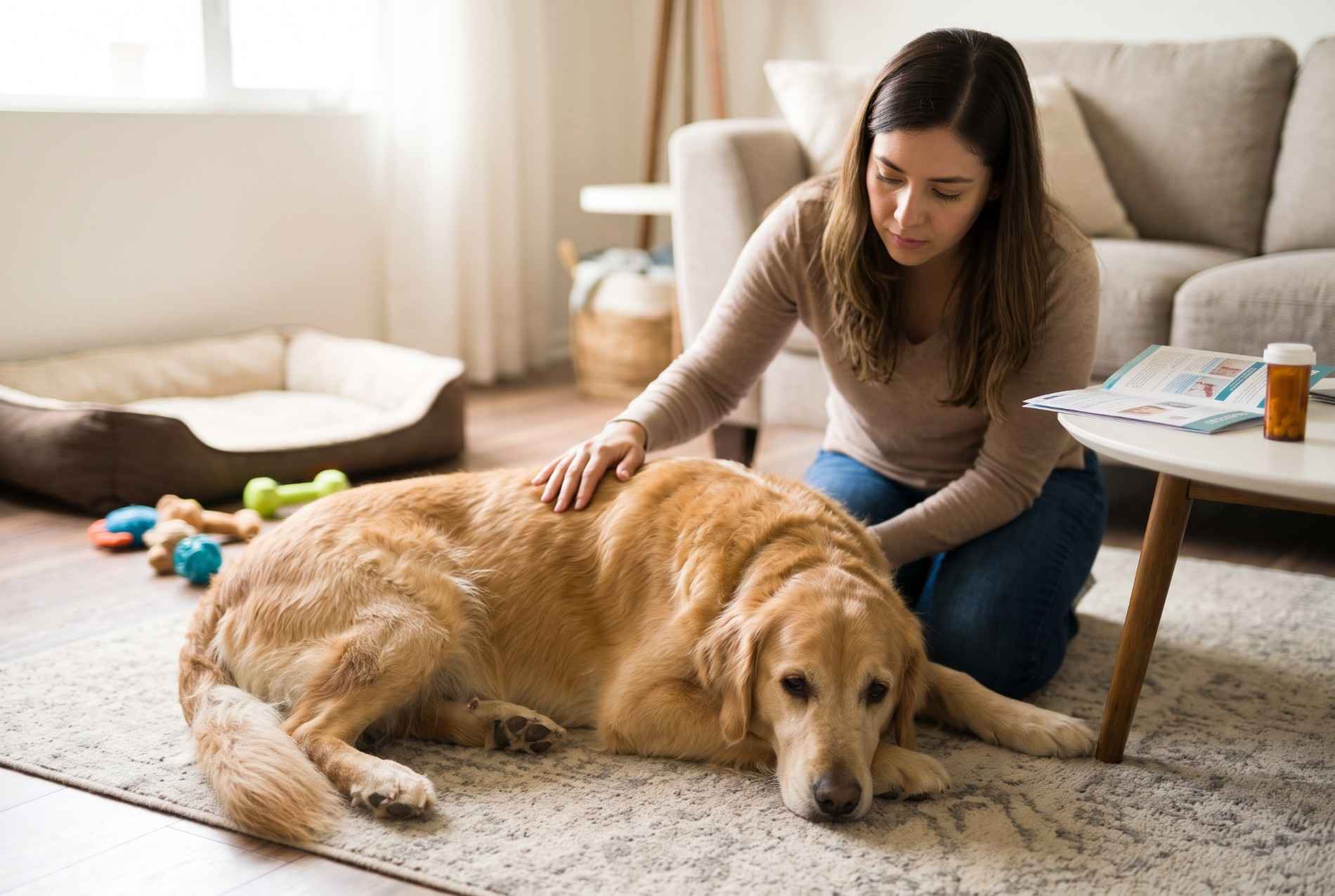
Yes. When a dog has confirmed hypothyroidism, treatment commonly involves prescribed thyroid hormone replacement medication, usually levothyroxine. Treatment is generally lifelong, with follow-up blood tests to check hormone levels and help your veterinarian adjust the dose if needed.
Many dogs respond well to appropriate treatment. Energy levels may improve before skin and coat changes resolve, which can take longer. Regular veterinary monitoring helps track progress and identify whether the treatment plan needs adjustment.
Nutrition, suitable exercise, and a consistent daily routine also contribute to your dog’s general wellbeing. However, these measures should complement veterinary care, not replace prescribed medication. There is no guarantee that lifestyle changes or supplements can prevent hypothyroidism.
How Can You Learn More About Your Dog’s Thyroid Health?
Understanding hypothyroidism can help you recognize potential warning signs and have more informed conversations with your veterinarian. It also helps you distinguish general wellness practices from the medical care needed to diagnose and manage a thyroid disorder.
Animal Wellness Academy’s Hypothyroidism And Your Dog course, taught by veterinarian Dr. Tamara Hebbler, introduces dog parents to this condition and explores ways to understand and address its symptoms. It offers a starting point for learning more about canine thyroid health and the questions you may want to discuss with your veterinary team.
Take Our Course: “Hypothyroidism And Your Dog”
Learn more about thyroid health and your dog’s wellbeing with Animal Wellness Academy’s “Hypothyroidism And Your Dog” course. Discover more about this condition, recognize possible symptoms, and build your understanding so you can have more informed conversations with your veterinarian.
Frequently Asked Questions
What causes hypothyroidism in dogs?
Most cases develop when the thyroid gland is damaged and can no longer produce enough hormones. Your veterinarian can help determine whether your dog’s symptoms are consistent with the condition.
Can hypothyroidism make a dog gain weight?
Yes. A slower metabolism can contribute to weight gain, sometimes without an increase in appetite. Other causes of weight gain should also be considered.
Will my dog need medication for life?
Most dogs with confirmed hypothyroidism need lifelong thyroid hormone replacement and regular monitoring. Your veterinarian will guide treatment and follow-up testing.
Can I prevent hypothyroidism in my dog?
There is no reliable way to prevent most cases. You can support your dog’s overall health with appropriate nutrition and veterinary care, while arranging an examination if you notice possible symptoms.