
As a dog parent, you want the best for your furry family member. But did you know that some of the foods sitting in your kitchen right now could seriously harm your dog? Here is a breakdown of the most dangerous human foods to keep away from your dog.
1. Chocolate
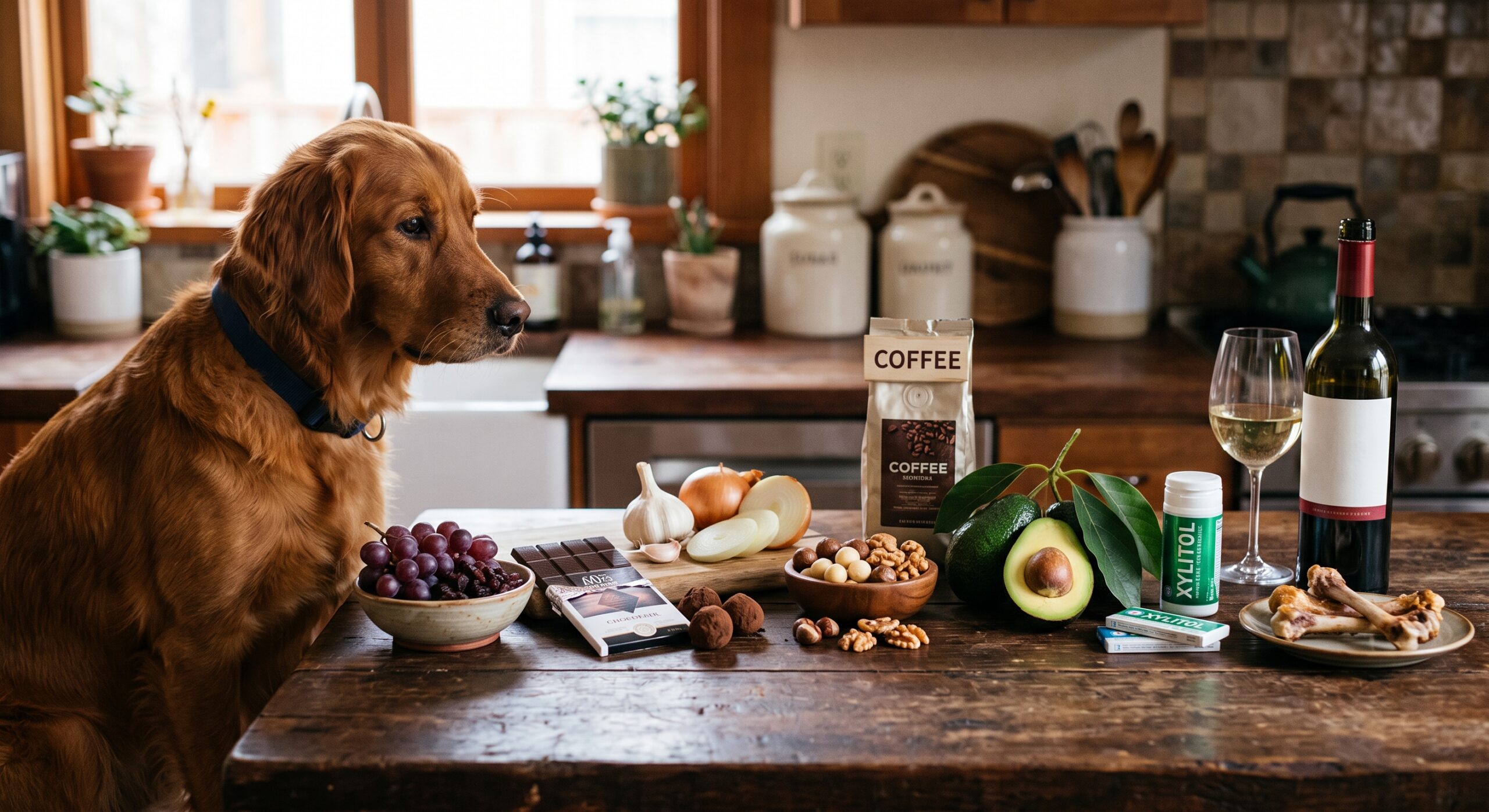
Chocolate contains two toxic compounds — caffeine and theobromine — that dogs cannot break down the way humans can. Even small amounts can cause vomiting, seizures, and heart problems. The darker the chocolate, the more dangerous it is.
2. Grapes and Raisins
These small snacks can cause sudden kidney failure in dogs, even in tiny amounts. No safe amount has been identified, so it is best to avoid them completely.
3. Onions and Garlic
Both onions and garlic can damage your dog’s red blood cells, leading to a condition called anemia. This includes all forms — raw, cooked, or powdered.
4. Xylitol
This sugar substitute is found in many sugar-free products like gum, candy, and baked goods. It can cause dangerously low blood sugar, seizures, and liver damage.
5. Macadamia Nuts
These nuts can cause weakness, vomiting, tremors, and high body temperature in dogs, even in small amounts.
6. Alcohol
Alcohol can lead to vomiting, tremors, difficulty breathing, and even coma or death. This includes beer, wine, liquor, and even yeast dough that has fermented.
7. Salty Snacks
Too much salt can lead to excessive thirst, frequent urination, and salt toxicity, which can be life-threatening.
8. Fatty Foods and Bones
Fatty foods like meat trimmings and gravy can trigger pancreatitis, a painful condition. Bones can cause choking or intestinal blockages.
9. Corn Cobs
Even though corn itself is generally not toxic, the cob can cause a dangerous digestive blockage.
10. Caffeine Products
Caffeinated items—including coffee, tea, and other caffeine-infused products—can be lethal to pets when consumed in significant quantities, as no medical antidote exists. Signs that a dog or cat has ingested toxic levels of caffeine include agitation, unusually quick breathing, racing heartbeat, and muscle twitches.
What To Do in an Emergency
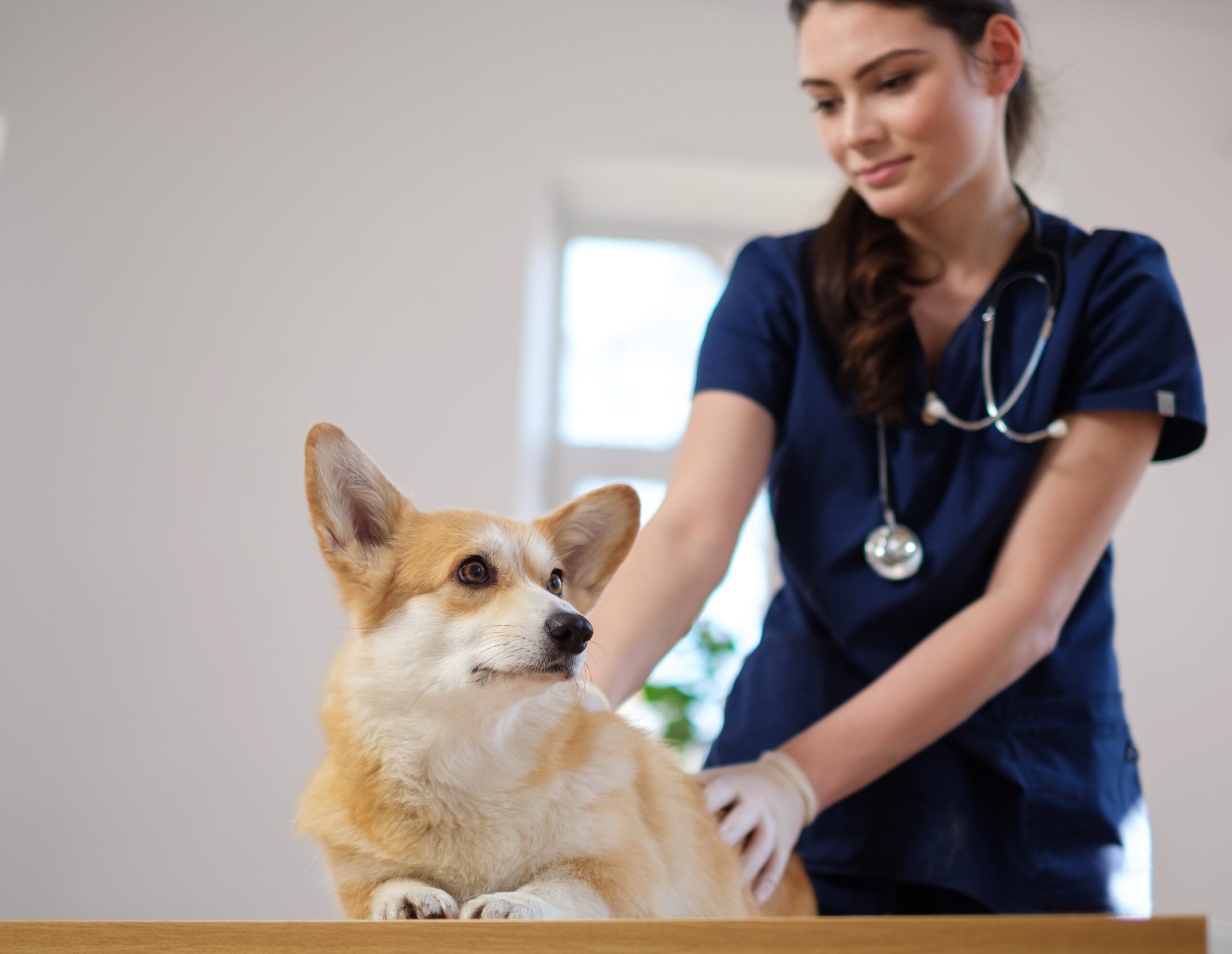
If you think your dog has eaten something toxic, contact your veterinarian immediately. You can also call:
- ASPCA Animal Poison Control: 888-426-4435
- Pet Poison Helpline: 855-764-7661
Always consult a veterinary professional for proper guidance and diagnosis. When in doubt, keep it out of your dog’s reach!