
Is Your Dog Panting Excessively? Signs Dog Parents Should Know
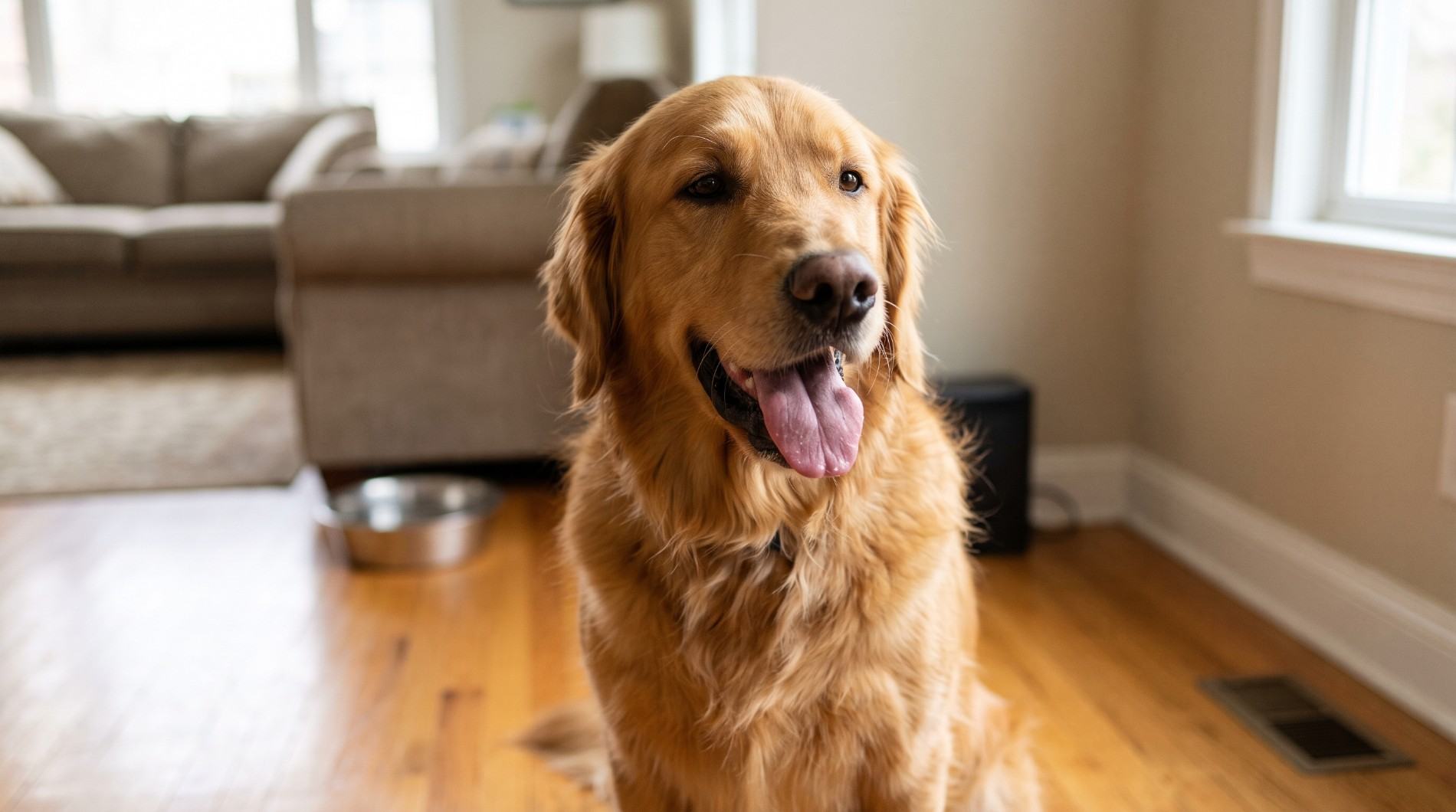
A dog panting after a game of fetch or a walk on a warm afternoon is usually nothing unusual. Panting helps dogs cool themselves down, especially after exercise or when the weather is hot. But what if your dog starts panting heavily while resting, indoors, or in cooler weather?
Excessive panting can sometimes point to stress, pain, overheating, or an underlying health problem. Knowing what’s normal for your dog can help you spot changes and decide when it’s time to call your veterinarian.
TL;DR: Excessive panting in dogs can be caused by heat, exercise, excitement, stress, pain, or certain health problems. Learning to recognize when panting is unusual can help you respond sooner and know when your dog needs veterinary attention. Explore our Is Your Dog Panting Excessively? course to learn more about this common behavior and what dog parents should watch for.
Why Do Dogs Pant?
Panting is one of the main ways dogs release body heat. Unlike humans, dogs rely mostly on panting rather than sweating through their skin to regulate their temperature.
You’ll often notice panting after exercise, during warm weather, or when your dog gets excited. Some dogs may also pant when they feel anxious, such as during a car ride, a thunderstorm, or a visit to the veterinarian.
The key is to consider the situation. If your dog pants after running around and settles down once they’ve rested in a comfortable environment, that’s generally expected. Heavy panting that appears suddenly or continues without an obvious reason deserves more attention.
When Is Panting Excessive in Dogs?
There isn’t one panting pattern that’s normal for every dog. Your dog’s age, health, activity level, and environment can all affect how often they pant.
Pay attention if your dog:
- Pants heavily while resting in a cool room.
- Continues panting long after exercise has ended.
- Starts panting more than usual without an obvious trigger.
- Pants alongside signs of discomfort, restlessness, or unusual behavior.
- Has a noticeable change in breathing compared with their normal pattern.
These signs don’t tell you exactly what’s wrong, but they can help you recognize when something may be off. If excessive panting is new, persistent, or unexplained, contact your veterinarian rather than assuming your dog is simply warm.
Can Excessive Panting Be a Sign of a Health Problem?
Yes. Although panting is often a normal response to heat or activity, it can sometimes occur with pain, fever, breathing difficulties, heart or lung problems, and other medical conditions. Some medications can also increase panting.
Watch for other changes, too. Your dog may seem unusually tired, struggle to settle, avoid normal activities, or behave differently than usual. Sharing these observations with your veterinarian can help them assess what may be causing the panting.
Seek emergency veterinary care if your dog has difficulty breathing, collapses, develops blue or very pale gums, or shows signs of heatstroke, such as heavy panting accompanied by weakness, confusion, or vomiting. Heatstroke can be life-threatening, so don’t wait for symptoms to pass.
What Should You Do If Your Dog Is Panting Too Much?
Start by considering the circumstances. Has your dog just exercised? Is the room too warm? Could something have frightened them?
If your dog seems overheated, move them to a cooler area, stop activity, and offer fresh water if they’re alert and able to drink normally. If you suspect heatstroke, seek emergency veterinary care immediately and follow the clinic’s instructions while arranging transport.
For panting that happens repeatedly or without a clear explanation, keep track of when it occurs, how long it lasts, and whether other symptoms appear. A short video can also help your veterinarian understand what you’re seeing at home.
Avoid giving medication or trying to treat unexplained panting on your own. The right response depends on the underlying cause.
What Can You Learn From the Animal Wellness Academy Course?
Understanding your dog’s everyday behaviors can make it easier to notice when something changes. Animal Wellness Academy’s Is Your Dog Panting Excessively? course offers dog parents a chance to learn more about panting and recognize why this familiar behavior deserves attention.
The course is presented by Erin Mullen and takes about four minutes to complete. It’s a convenient starting point if you want to build your understanding of your dog’s behavior and feel better prepared to discuss concerns with your veterinarian.
Take Our Course: “Is Your Dog Panting Excessively?”
Wondering whether your dog’s panting is normal or a sign that something needs attention?
Our Is Your Dog Panting Excessively? course helps you explore this common canine behavior and learn what to watch for. Build your knowledge so you can better recognize changes in your dog and make informed decisions about seeking veterinary advice.
Frequently Asked Questions
Is it normal for dogs to pant while resting?
Dogs may pant briefly for several reasons, including excitement or stress. However, heavy or persistent panting while resting, especially in a cool environment, should be discussed with a veterinarian.
Why is my dog panting at night?
Nighttime panting can be associated with warmth, anxiety, pain, medication effects, or health problems. If it’s new, frequent, or unexplained, contact your veterinarian to investigate the cause.
How can I tell if my dog is panting because of heat?
Panting after exercise or in warm weather may be a normal cooling response. Heavy panting accompanied by weakness, vomiting, confusion, or collapse can indicate heatstroke and requires emergency veterinary care.
Should I take my dog to the vet for excessive panting?
Yes, if the panting is sudden, persistent, unusual for your dog, or accompanied by other symptoms. Difficulty breathing, collapse, blue or very pale gums, or suspected heatstroke requires emergency veterinary attention.