
Is Your Dog Leash Reactive? What Dog Parents Should Know
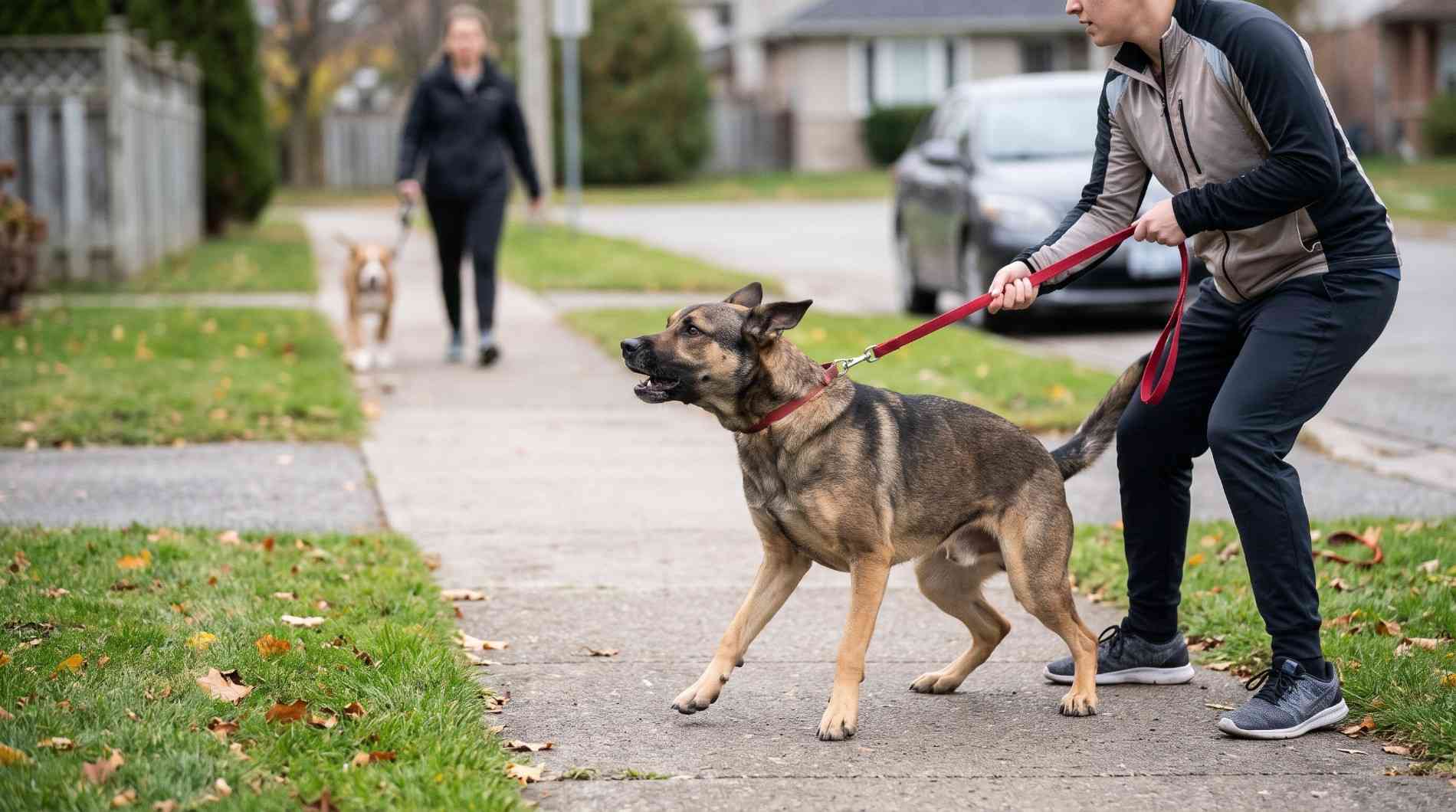
You’re out for a walk when another dog appears on the sidewalk. Suddenly, your dog starts barking, lunging, or pulling hard on the leash. Your relaxing stroll turns stressful, and you may find yourself wondering what went wrong.
If this sounds familiar, your dog may be showing leash reactivity. These moments can be frustrating for both of you, but understanding why they happen is a helpful first step toward more comfortable walks.
TL;DR: Leash reactivity happens when a dog responds intensely to something they encounter while on a leash, often another dog, a person, or an unfamiliar situation. Understanding what triggers the reaction can help you make walks safer and less stressful. Explore our Is Your Dog Leash Reactive? course to learn what leash reactivity is, why it happens, and what you can do to help your dog.
What Is Leash Reactivity in Dogs?
Leash reactivity describes an intense response to a trigger while a dog is on a leash. The behavior may include barking, growling, lunging, spinning, or pulling toward or away from something.
A dog might react when another dog approaches, when a stranger gets too close, or when traffic and unfamiliar noises become overwhelming. The trigger can vary from one dog to another.
Leash reactivity doesn’t automatically mean a dog is aggressive. Some dogs react because they feel frightened or uncomfortable. Others may be frustrated because they want to approach something but can’t. The behavior alone doesn’t tell you exactly what your dog is feeling, so it’s important to consider the situation and your dog’s overall body language.
Why Do Dogs Become Leash Reactive?
There isn’t one explanation for every reactive dog. A dog’s past experiences, confidence, environment, and ability to cope with excitement or uncertainty can all play a part.
For example, a dog who has had unpleasant encounters with other dogs may begin reacting when they see one approaching. Another dog may become frustrated when the leash prevents them from greeting a potential playmate.
Distance can also matter. A dog might remain calm when another dog is across the street but bark and lunge when that same dog gets closer. Recognizing this pattern can help you understand when your dog needs more space.
Instead of assuming your dog is being stubborn or deliberately difficult, look for the circumstances that come before each reaction. These observations can help you identify triggers and decide what changes may make walks easier.
How Can You Help a Leash-Reactive Dog?
Start by prioritizing safety and reducing situations that repeatedly overwhelm your dog.
Give your dog more distance. If your dog reacts when another dog approaches, cross the street or change direction when possible. More space may help your dog remain calm enough to observe the trigger without reacting intensely.
Choose quieter walking routes. Busy sidewalks and crowded parks can make walks difficult for some dogs. Consider quieter locations or times when you can give your dog room to move comfortably.
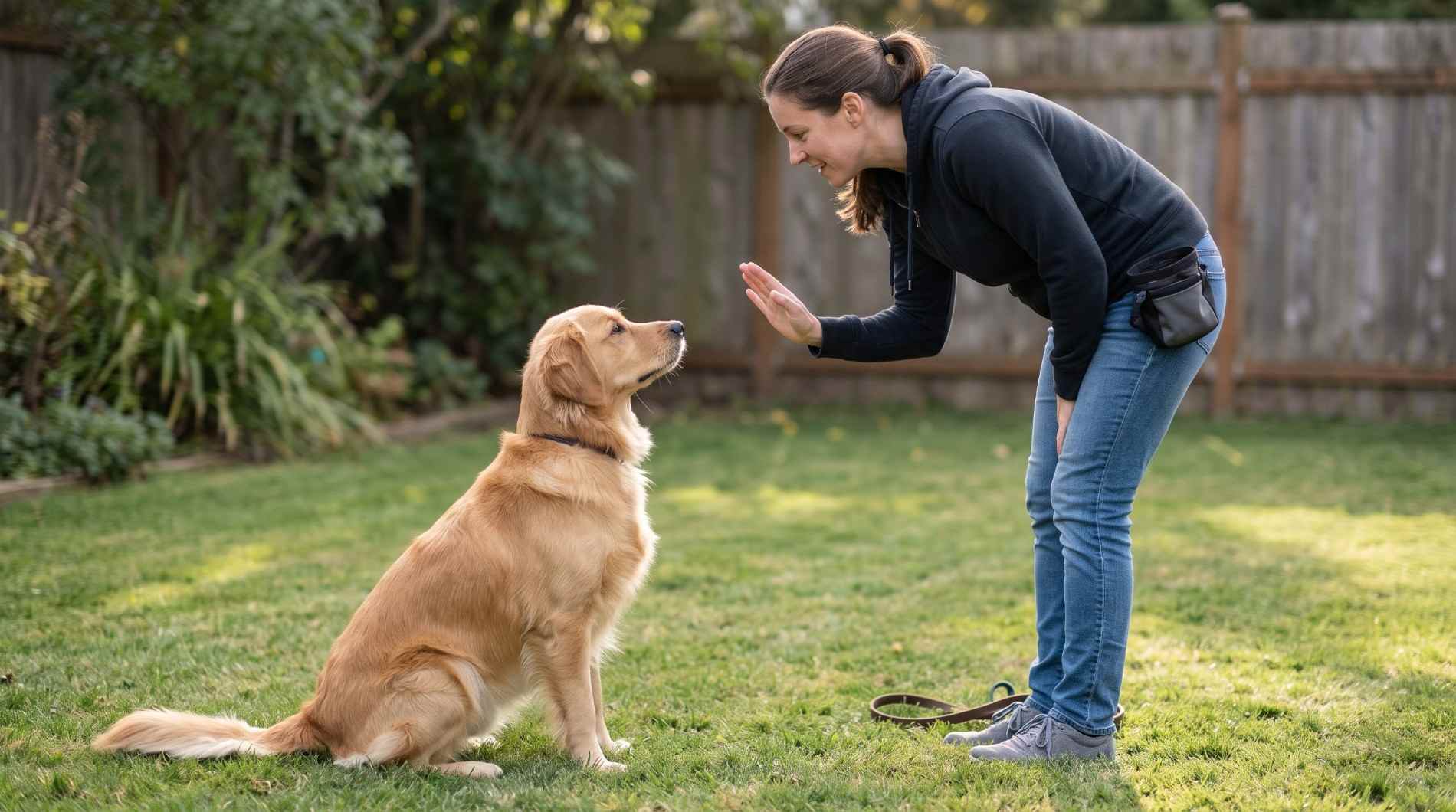
Reward calm behavior. When your dog notices a trigger without barking or lunging, reward them if they’re comfortable enough to respond. Positive reinforcement can help build more desirable responses over time.
Avoid forcing greetings. Your dog doesn’t need to meet every dog they see. Allowing them to pass at a comfortable distance can make walks less stressful.
If reactions are intense, worsening, or difficult to manage safely, seek help from a qualified, reward-based dog trainer or veterinary behavior professional. They can help you develop a plan suited to your dog’s needs.
Can Leash Reactivity Improve With Training?
Many dogs can learn to respond more comfortably to their triggers, but progress takes time. The right approach depends on why your dog reacts, how intense the behavior is, and what happens in the surrounding environment.
The “Is Your Dog Leash Reactive?” course, taught by Joan Hunter Mayer, introduces dog parents to what leash reactivity is, why it happens, and ways to help their dogs. It offers a useful starting point if walks have become difficult and you’re looking for a better understanding of your dog’s behavior.
Take Our Course: “Is Your Dog Leash Reactive?”
Discover more about leash reactivity with our Is Your Dog Leash Reactive? course. Learn why some dogs struggle during walks and explore ways to help your dog, so you can work toward calmer, more enjoyable time together outdoors.
Frequently Asked Questions
Is leash reactivity the same as aggression?
No. Leash reactivity describes an intense response to a trigger, while aggression refers to a different set of behaviors and motivations. Reactivity may be related to fear, frustration, excitement, or other factors. A dog’s behavior needs to be assessed in context.
Should I let my leash-reactive dog greet other dogs?
Not necessarily. If your dog is tense, barking, or lunging, give them space rather than forcing an interaction. A qualified professional can help you determine whether and how greetings can be introduced safely.
Should I punish my dog for barking or lunging?
Punishment can increase fear or stress in some dogs and may make reactions harder to manage. Focus on safety, distance, and reward-based training instead.
When should I seek professional help?
Seek support if your dog reacts frequently, is difficult to control, or creates a safety concern for you, other people, or animals. A veterinarian can also help rule out pain or other health issues that may affect behavior.