
How Can You Help Your Senior Dog Stay Healthy and Comfortable?
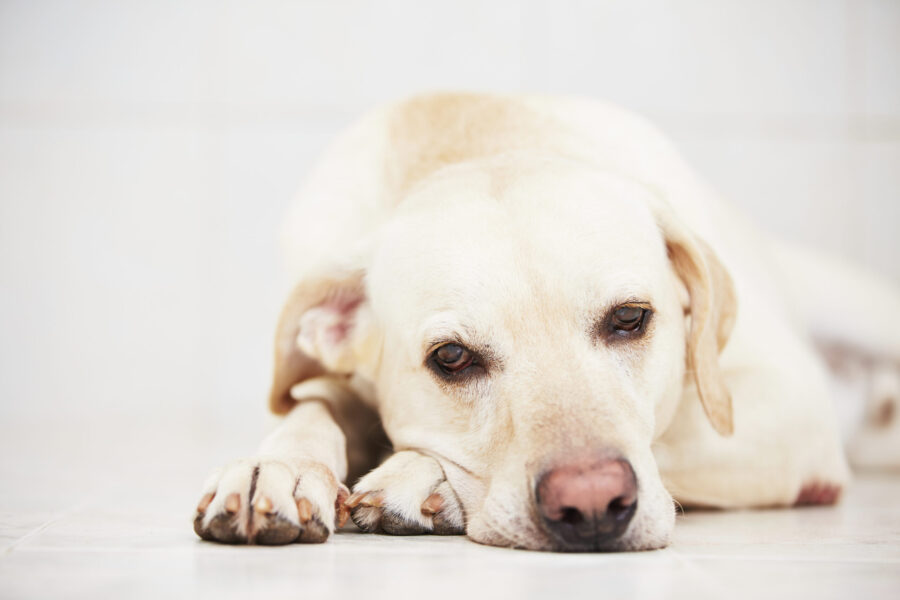
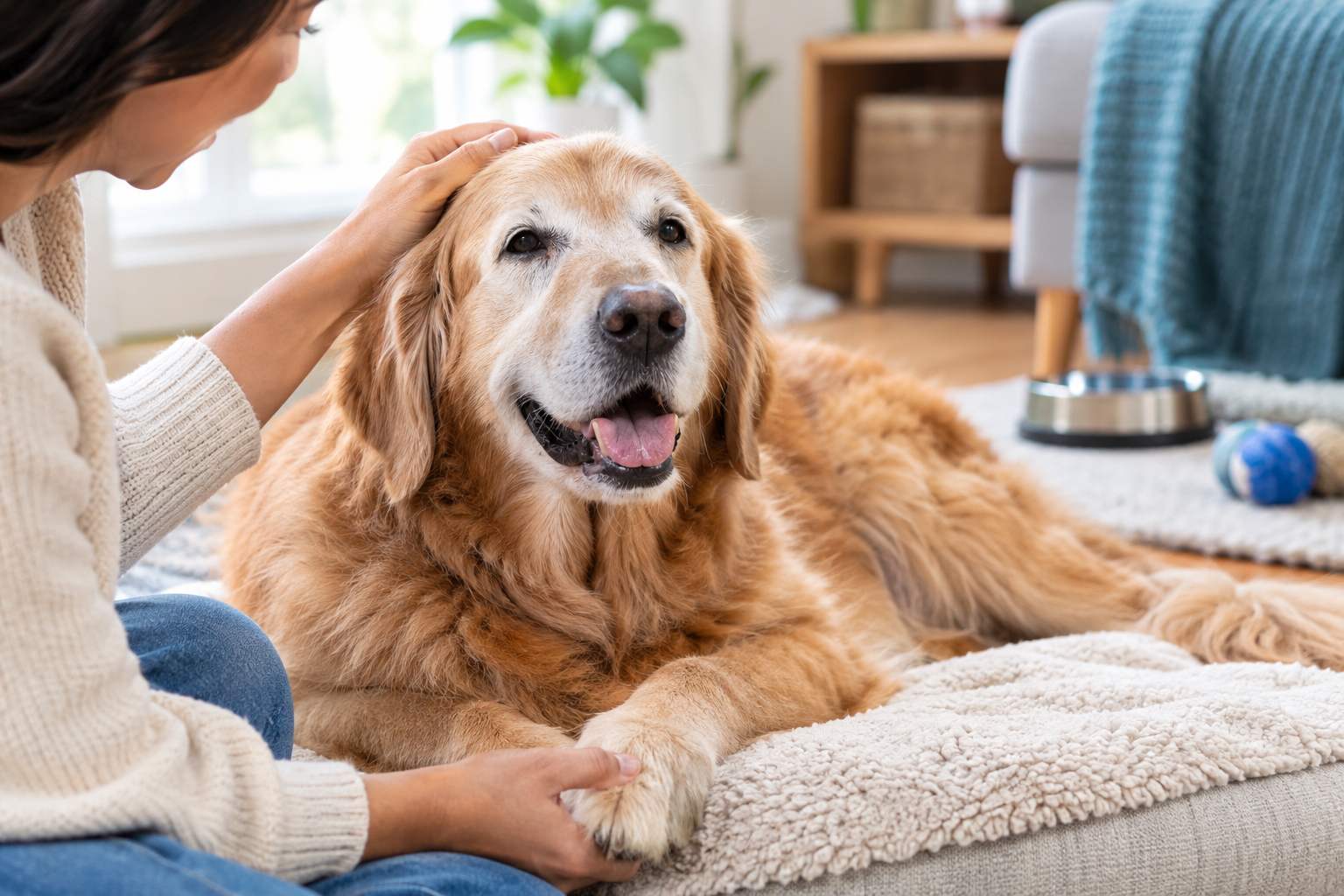
Watching your dog grow older can bring a mix of emotions. Those gray hairs around the muzzle are sweet, but you may also notice that your once-energetic companion sleeps more, moves a little slower, or takes longer to settle into a comfortable position.
Senior dogs have different needs than younger dogs. Small changes to their daily routine, nutrition, exercise, environment, and mental stimulation can help you support their comfort and quality of life as they age.
TL;DR: Caring for a senior dog means paying attention to changing needs and adjusting their routine as they get older. Learning how to recognize common signs of aging and support mobility, cognitive health, nutrition, safety, and enrichment can help you make better everyday choices. If you want practical guidance for caring for your aging companion, take our Caring for Your Senior Dog course.
What Changes as Your Dog Gets Older?
Aging doesn’t look exactly the same in every dog. Some dogs remain playful well into their senior years, while others gradually slow down.
You may notice changes in how your dog walks, sleeps, plays, eats, or responds to familiar activities. Perhaps the stairs have become less appealing. Maybe a long walk is now replaced by several shorter outings.
These changes are worth paying attention to. Knowing what’s normal for your individual dog can help you spot something that deserves a conversation with your veterinarian.
How Can You Adjust Your Senior Dog’s Daily Routine?
Your senior dog’s old routine may not be the best fit anymore.
Exercise is one area where flexibility can help. Your dog may still benefit from regular activity, but the type, duration, and intensity may need to change as they age. Shorter walks, gentle activities, and plenty of opportunities to rest may be more appropriate for some older dogs.
Nutrition deserves attention, too. A senior dog’s nutritional needs can differ from those of a younger adult dog, and individual needs vary based on factors such as health, size, activity level, and existing conditions.
The goal is to pay attention and adjust rather than assuming the same routine will work forever.
How Can You Support Mobility and Mental Health?
Keeping an older dog engaged involves more than physical exercise.
Gentle play, sniffing opportunities, simple training activities, and age-appropriate enrichment can give your dog ways to stay mentally engaged without asking too much physically. Let your dog set the pace. If an activity leaves them tired or uncomfortable, it’s time to modify it.
Mobility matters, too. A comfortable resting area and an environment that’s easy for your dog to move through can make everyday life easier.
Small changes around the house can make a difference.
How Can You Make Your Home Safer for a Senior Dog?
Look at your home from your dog’s perspective.
Are floors slippery? Are food and water easy to reach? Does your dog need to navigate stairs or jump onto furniture? Could rearranging their favorite resting area make it easier for them to settle comfortably?
Senior dogs may benefit from an environment that reduces unnecessary physical challenges while still giving them opportunities to explore and interact with the people around them.
And don’t overlook emotional support. Older dogs still need companionship, attention, and activities that make their days interesting.
Take Our Course: Caring for Your Senior Dog
Your dog won’t stay young forever, but you can keep learning as their needs change.
The Caring for Your Senior Dog course walks pet owners through practical ways to recognize signs of aging and support nutrition, exercise, mobility, cognitive health, safety, enrichment, and emotional well-being. It’s a short micro-video course designed to give you useful information you can apply to everyday life with your senior dog.
Frequently Asked Questions
What age is considered a senior dog?
There isn’t one age that applies to every dog. Size, breed, genetics, and individual health all influence how a dog ages. Your veterinarian can help you understand what senior status means for your particular dog.
What are common signs that a dog is getting older?
Common changes can include sleeping more, moving more slowly, reduced activity, or changes in behavior and daily habits. Any significant or sudden change should be discussed with your veterinarian.
Should senior dogs still exercise?
Yes, many senior dogs can continue to benefit from regular physical activity. The right amount and type depend on the individual dog, so activities may need to become gentler or shorter as your dog ages.
How can I keep my senior dog mentally stimulated?
Age-appropriate enrichment, gentle play, sniffing activities, and simple training can provide mental engagement. Choose activities that match your dog’s comfort, mobility, and interests.