
How Can You Use Body Language to Train Your Dog?
Have you ever asked your dog to sit, only to get a confused look in return? Or noticed that your dog responds differently when you stand tall compared with when you crouch down beside them?
Dogs pay attention to more than our words. The way you stand, move, face your dog, and use your hands can all influence how your message comes across. Learning to use body language during training can help you communicate more clearly and build a stronger connection with your canine companion.
TL;DR: You can use body language to train your dog by pairing clear movements with verbal cues, paying attention to your dog’s responses, and keeping your signals consistent. Understanding how your posture and movements are perceived can make everyday communication easier. Explore our How to Use Body Language to Train Your Dog course to learn how your body language sends messages your dog may notice.
Why Does Body Language Matter in Dog Training?
Dogs communicate through movement, posture, facial expressions, and other signals. They also pay attention to the people around them, including how those people move and behave.
Think about teaching your dog to come when called. If you call them while facing away, standing stiffly, or moving in a way that seems confusing, your message may be harder to understand than if you use a clear, familiar cue.
Your body language can also affect how comfortable your dog feels during training. Quick movements, looming over a nervous dog, or reaching toward them unexpectedly may make some dogs hesitant. A relaxed posture and predictable movements can help create a more comfortable learning environment.
What Body Language Should You Use When Training Your Dog?
The best signals depend on what you’re teaching and how your individual dog responds. Start with a few simple habits.
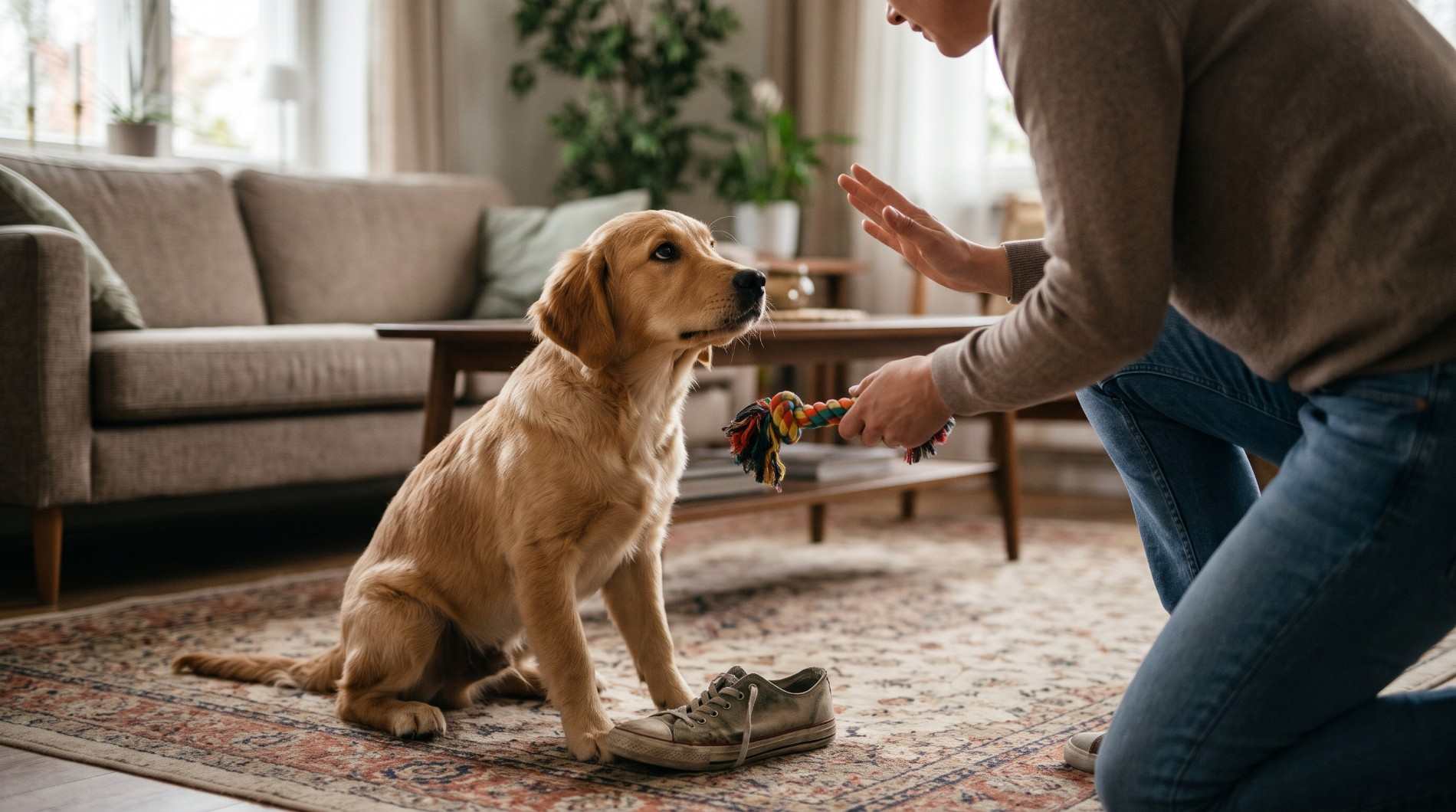
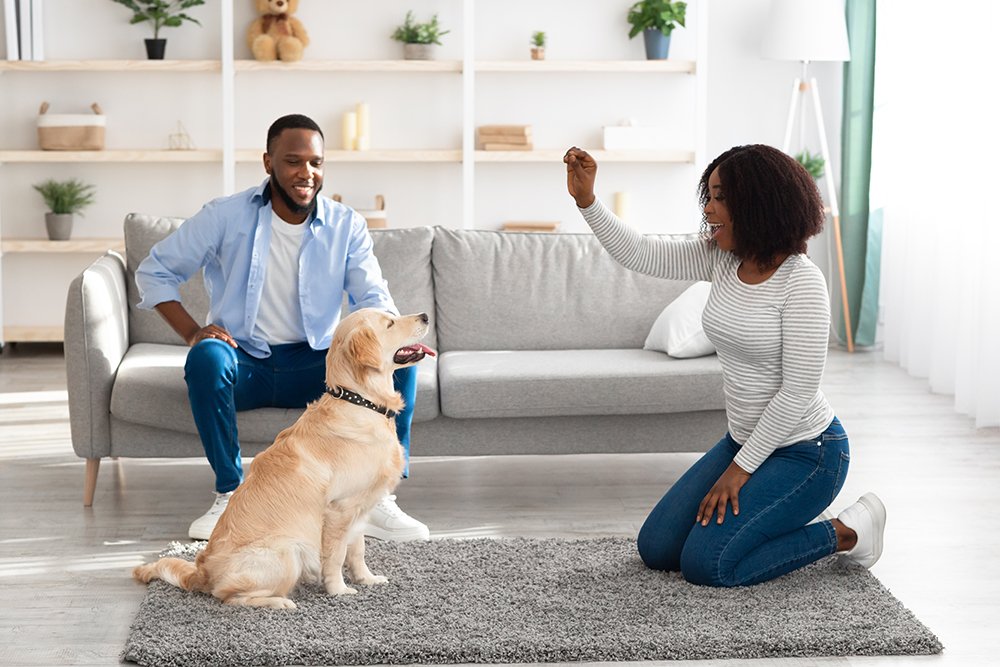
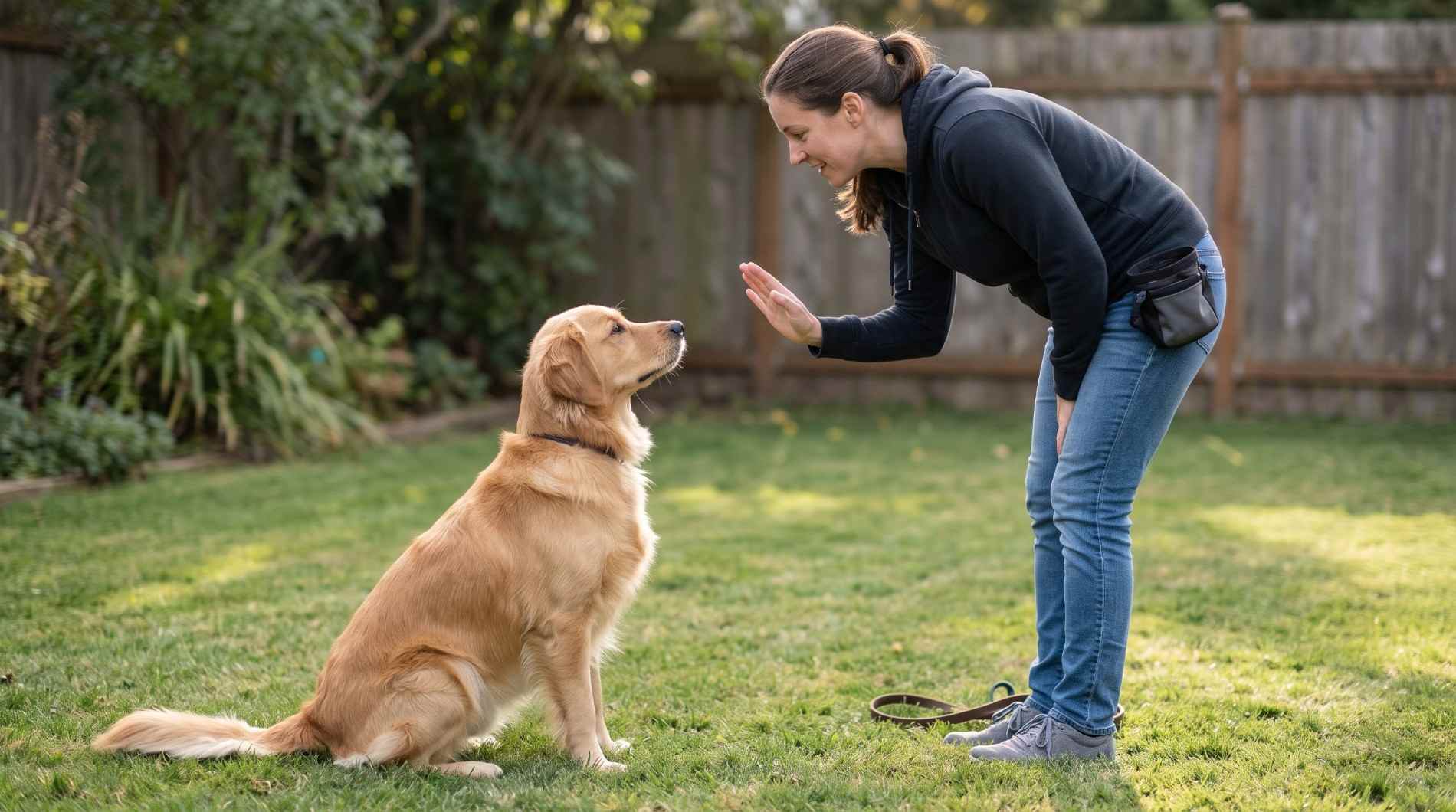
Keep your signals consistent. If you use a hand gesture to ask your dog to sit, try to use the same gesture each time. Changing your movements frequently can make it harder for your dog to recognize the cue.
Pay attention to your posture. Notice how your dog responds when you stand upright, turn slightly sideways, or lower yourself closer to their level. Avoid assuming that one position will work for every dog.
Use calm, deliberate movements. Moving slowly and clearly can make your actions easier to follow, especially when your dog is learning something new or seems unsure.
Pair gestures with rewards. When your dog responds to a cue, reward them promptly with something they enjoy, such as a treat, praise, or play. This helps them learn which behavior you’re asking for.
How Can You Tell What Your Dog Is Communicating?
Training is a two-way conversation. Your dog’s body language can offer clues about whether they feel comfortable, confused, excited, or worried.
A relaxed body, loose movements, and willingness to engage may suggest that your dog feels comfortable in the situation. Turning away, moving back, becoming unusually still, or repeatedly avoiding interaction may indicate uncertainty or discomfort.
Look at the whole picture rather than relying on one signal. For example, a wagging tail doesn’t automatically mean a dog is happy to interact. Tail position, body tension, facial expression, and the surrounding situation all matter.
If your dog appears uncomfortable, give them space and make the training exercise easier. The goal is to help your dog understand you, not to pressure them into responding.
How Can You Improve Communication With Your Dog?
Practice during short, everyday sessions. Try using the same hand signal when asking for a familiar behavior, then notice how your dog responds. Keep distractions manageable and reward progress.
Remember that body language takes practice. You may need to adjust your movements depending on your dog’s temperament, experience, and comfort level.
Animal Wellness Academy’s course, taught by April Frost, explores how dogs may perceive human body language, what emotions and messages can be communicated, and how you can use physical signals to improve communication with your dog.
Take Our Course: “How to Use Body Language to Train Your Dog”
Learn how your body language may influence your dog’s responses and discover ways to communicate more clearly during training. This How to Use Body Language to Train Your Dog course can help you become more aware of the signals you send and strengthen your understanding of your canine companion.
Frequently Asked Questions
Can dogs understand human body language?
Dogs can respond to human gestures, posture, movement, and other visual cues. Their responses vary, so consistent signals and observation can help improve communication.
Is body language more important than verbal commands?
Both can be useful. Dogs may learn to respond to spoken cues, hand signals, or a combination of the two. Consistency helps them understand what you’re asking.
Why does my dog ignore my hand signals?
Your dog may not have learned the signal yet, may be distracted, or may find the situation difficult. Practice in a quiet setting, use a clear gesture, and reward successful responses.
How can I tell if my dog feels uncomfortable during training?
Watch for changes such as turning away, moving away, becoming stiff, or avoiding interaction. Consider the full context, give your dog space, and make the exercise easier if needed.