
Melatonin for Dogs and Cats: What Pet Parents Should Know
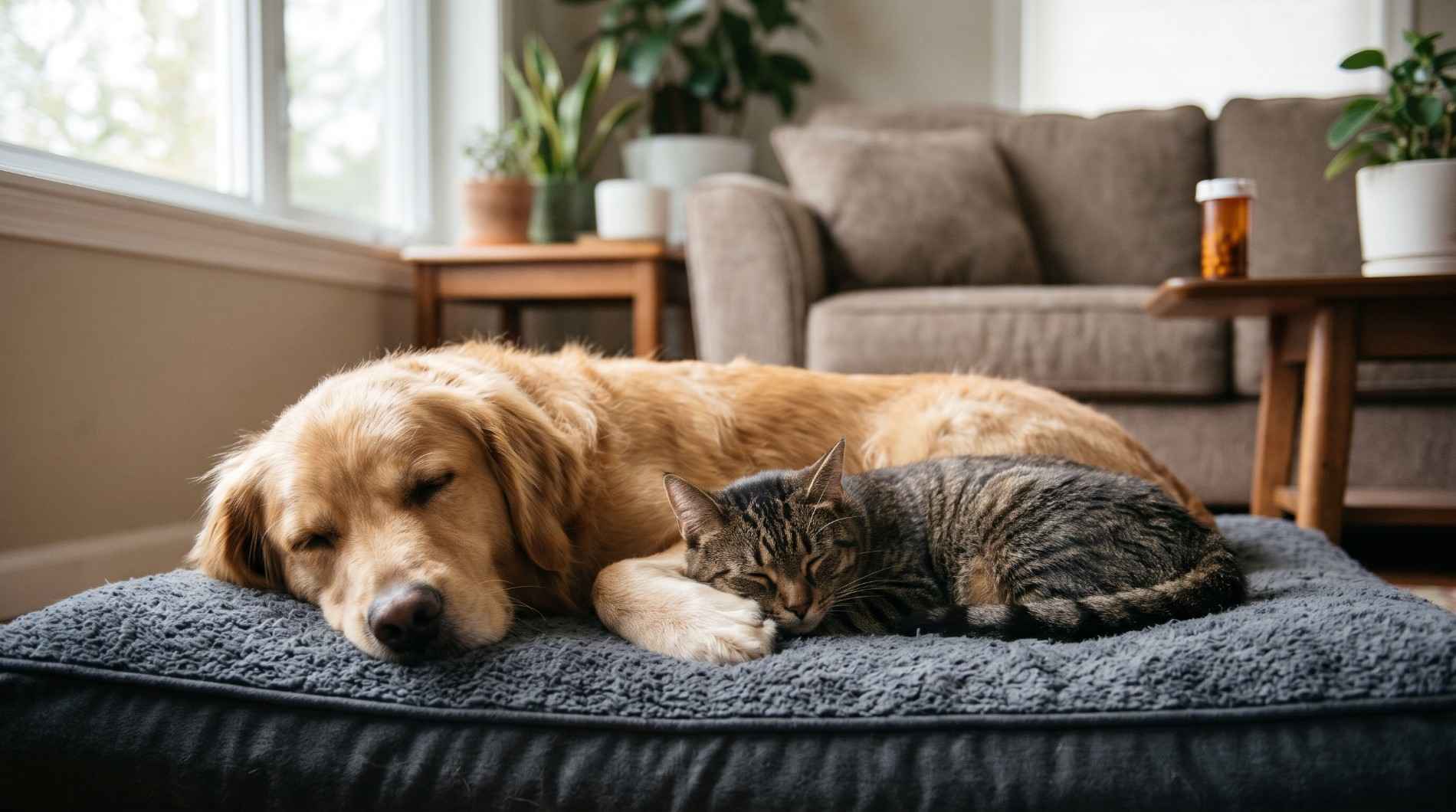
If your dog struggles to settle at night or your cat seems restless, you may have wondered whether melatonin could help. This hormone plays a role in regulating sleep-wake cycles, and veterinarians sometimes use melatonin for specific health concerns in pets. But before adding a supplement to your companion’s routine, it’s worth understanding what it does and why veterinary guidance matters.
Melatonin isn’t a universal solution for sleep problems or anxiety. Its suitability depends on your pet’s health, the reason for using it, and the product itself.
TL;DR: Melatonin is a hormone involved in sleep-wake regulation that veterinarians may recommend for certain concerns in dogs and cats. It can have side effects, interact with medications, and appear in supplements containing ingredients that are dangerous to pets. Explore Animal Wellness Academy’s Melatonin for Dogs and Cats course to learn more about this supplement and what pet parents should consider before discussing its use with a veterinarian.
What Is Melatonin, and How Does It Work?
Melatonin is a hormone naturally produced by the body, mainly in response to changes in light and darkness. It helps regulate the sleep-wake cycle, which influences when an animal feels sleepy or alert.
Melatonin supplements are sometimes used in veterinary medicine for selected concerns. Depending on the animal and the condition, veterinarians may consider them for sleep or behavioral issues and certain types of hair loss. However, evidence and suitability vary, and melatonin isn’t appropriate for every pet.
The VCA Animal Hospitals guide to melatonin explains its veterinary uses, precautions, and potential side effects in animals.
Can Dogs and Cats Take Melatonin?
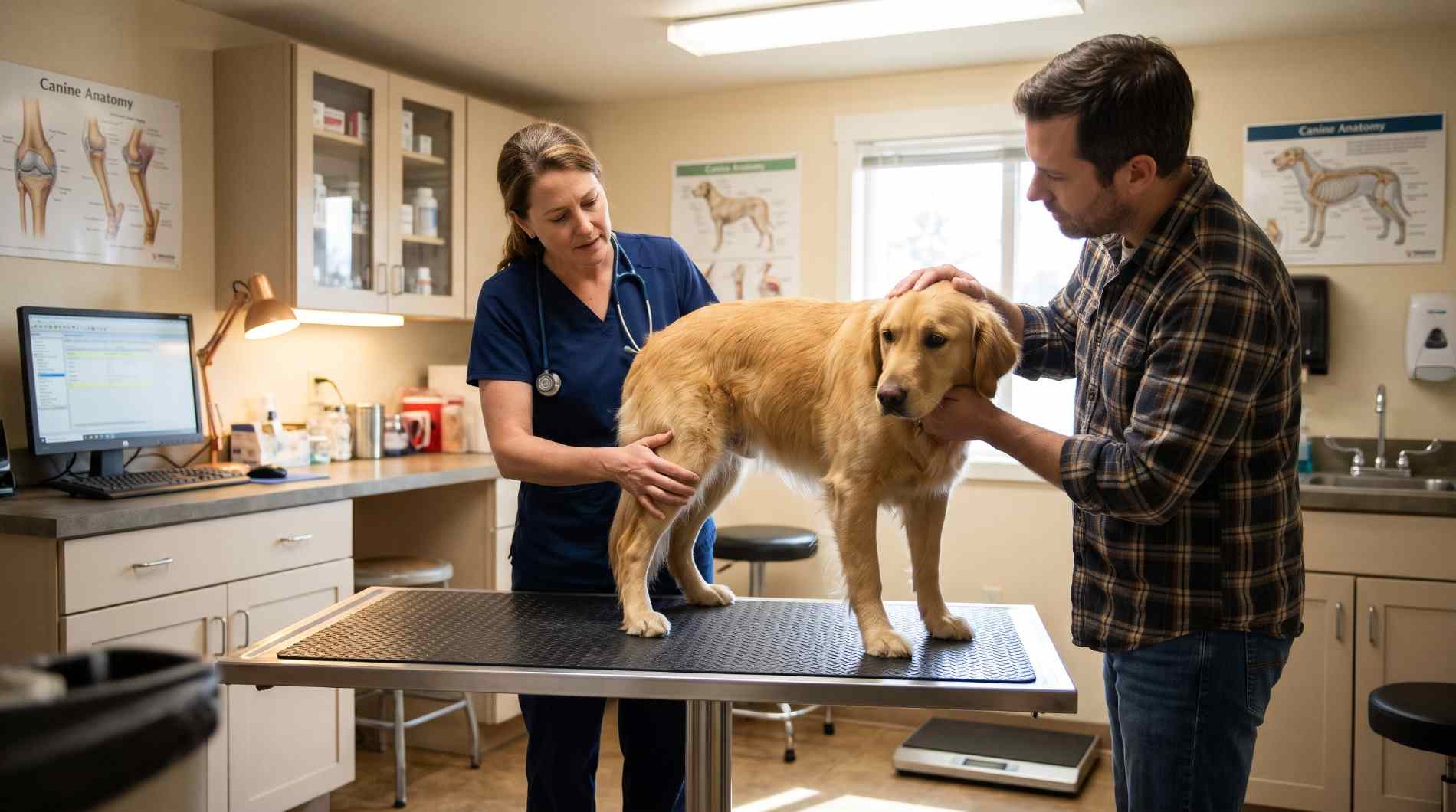
Veterinarians may recommend melatonin for certain dogs and cats, but you shouldn’t give it to your pet without professional guidance.
For dogs, a veterinarian might consider melatonin for selected sleep-related concerns, behavioral issues, or particular hair-growth disorders. In cats, it may be used for certain sleep or behavioral concerns, although its use depends on the individual animal and the reason for treatment.
Restlessness, nighttime waking, or changes in behavior can also have other causes, including pain, stress, or an underlying medical condition. A supplement may not address the real problem. If your pet’s behavior changes suddenly or persists, arrange a veterinary assessment rather than trying to manage it with melatonin alone.
Is Melatonin Safe for Pets?
Melatonin may be appropriate for some pets when used under veterinary direction, but that doesn’t mean every product is safe.
One important concern is xylitol, a sweetener found in some human supplements, including certain gummies and chewable products. Xylitol is highly toxic to dogs and can cause dangerously low blood sugar and liver injury. Always check the complete ingredient list, and ask your veterinarian to recommend a suitable product.
Melatonin may also cause sleepiness or digestive upset. It can interact with certain medications, and extra care may be needed for pets who are pregnant, nursing, breeding, or have specific health conditions. The MSD Veterinary Manual discusses melatonin toxicity and the risks associated with some human formulations.
If your dog or cat accidentally eats a supplement, particularly a product that may contain xylitol, contact a veterinarian or animal poison service immediately.
What Should You Ask Your Veterinarian?
Before using melatonin, explain what you’ve noticed and ask whether the supplement makes sense for your pet. Helpful questions include:
- What might be causing my pet’s symptoms?
- Is melatonin appropriate given their age and health?
- Could it interact with any current medications or supplements?
- Which formulation is suitable, and what ingredients should I avoid?
- What side effects should I watch for?
Never rely on a general dosage chart or assume the amount used for another animal will be suitable for yours. The right advice depends on the individual pet and the specific product.
Take Our Course: “Melatonin for Dogs and Cats”
Want to understand melatonin before discussing it with your veterinarian?
Animal Wellness Academy’s Melatonin for Dogs and Cats course offers an opportunity to learn more about this hormone supplement, its potential veterinary uses, and the safety questions pet parents should consider. Build your knowledge so you can make informed decisions about your companion’s care.
Frequently Asked Questions
Does melatonin help dogs sleep?
Melatonin may be used for certain sleep-related concerns in dogs, but it isn’t suitable for every cause of restlessness. Ask your veterinarian to assess your dog and advise whether it’s appropriate.
Can cats take melatonin?
Veterinarians may use melatonin for selected concerns in cats. Consult your veterinarian before giving it, as the right approach depends on your cat’s health and the reason for treatment.
Can I give my pet human melatonin?
Don’t give your pet a human supplement without veterinary approval. Some products contain xylitol, which is highly toxic to dogs, and other formulations may not be appropriate for animals.
What should I do if my pet reacts badly to melatonin?
Contact your veterinarian if you notice unusual sleepiness, vomiting, or other concerning changes. If your pet may have ingested a product containing xylitol or a large amount of a supplement, seek urgent veterinary advice.