
Moving House With Your Dog: How to Make the Transition Easier
Moving house can be exciting for you, but your dog may see things differently. Familiar furniture disappears, boxes take over the living room, and daily routines suddenly change. Even if your new home is only a few streets away, the experience can leave your dog feeling unsettled.
Dogs rely on familiar surroundings, predictable routines, and the people they trust. Helping your dog adjust to a new home takes planning, patience, and a little extra attention. With the right preparation, you can make moving day safer and help your four-legged family member feel more comfortable in unfamiliar surroundings.
TL;DR: Moving house with your dog is easier when you prepare ahead, keep familiar routines, and give your dog time to settle in. From packing and moving-day safety to introducing a new environment, small steps can make a difference. Explore Animal Wellness Academy’s Moving House With Your Dog course to learn more about helping your canine companion through this major change.
How Can You Prepare Your Dog Before Moving Day?
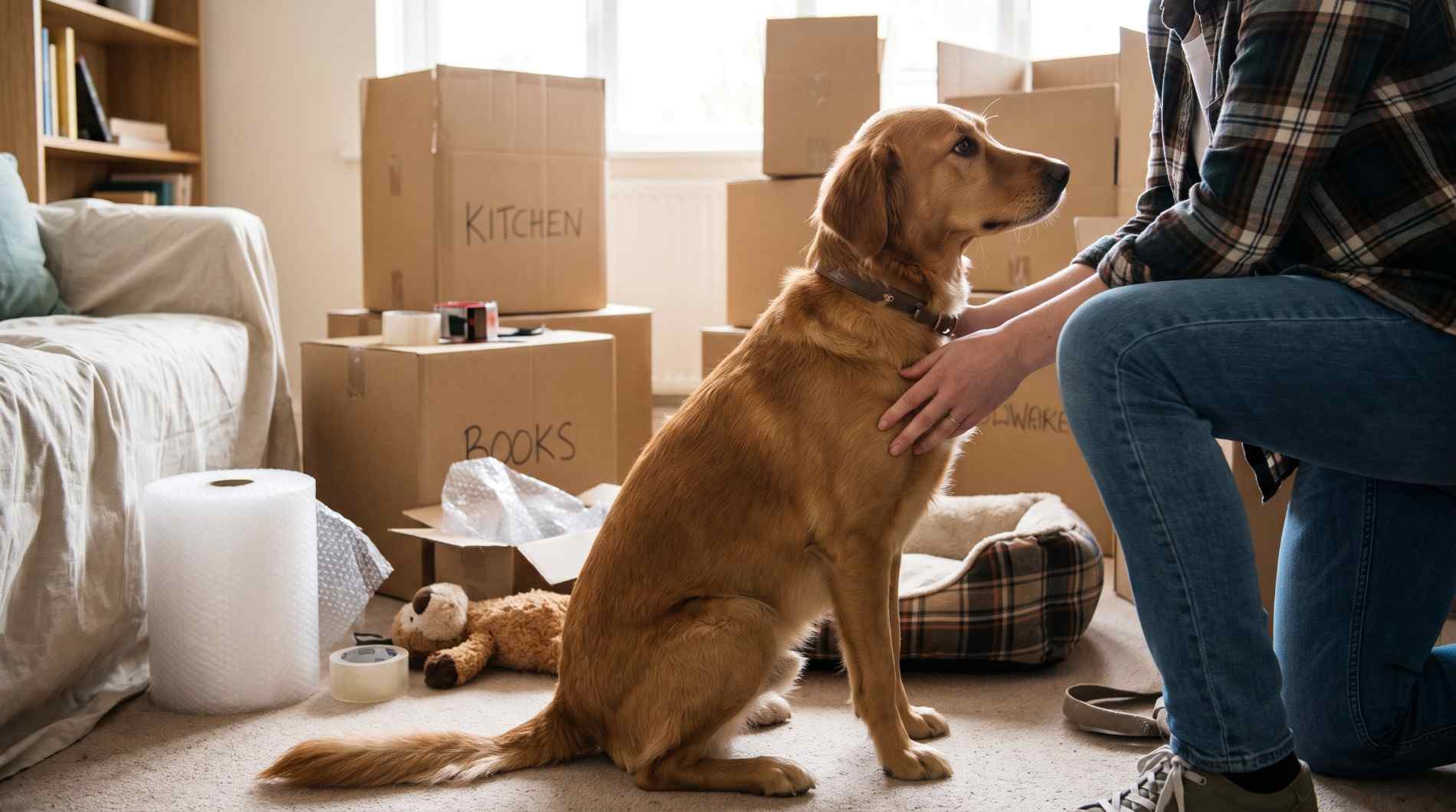
Start preparing your dog before the boxes come out. If packing materials and rearranged furniture are unusual in your home, introduce them gradually. Let your dog investigate empty boxes safely, and reward calm behavior around the changes.
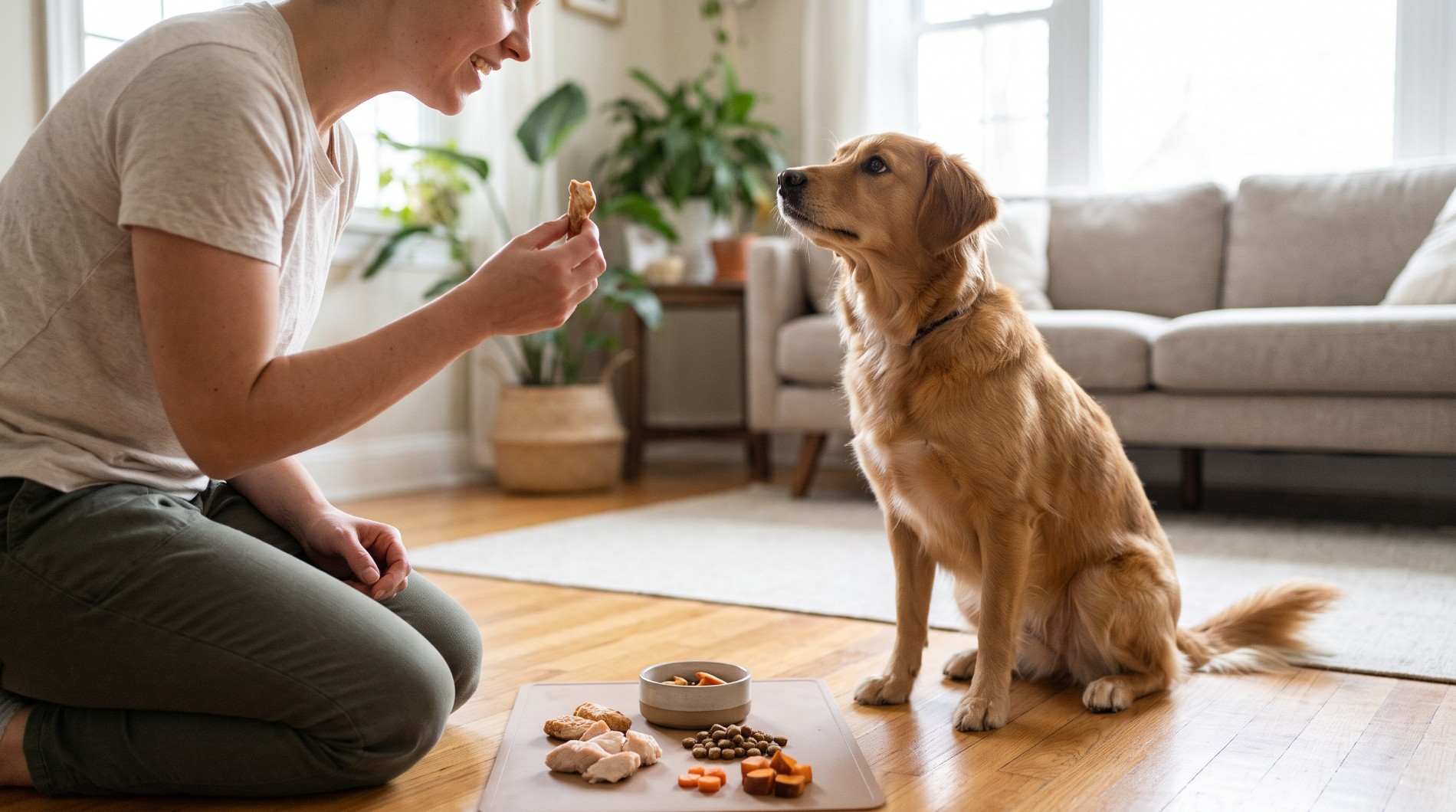
Keep your dog’s daily routine as consistent as possible. Regular meal times, walks, play sessions, and rest periods provide familiar points of reference while other parts of life are changing.
It’s also a good time to check practical details. Update your dog’s identification tag with your new contact information when appropriate, confirm that their microchip registration details are current, and arrange for any medication or food they’ll need during the move.
If your dog is nervous around strangers, loud noises, or unfamiliar places, consider how moving day might affect them. Ask your veterinarian for advice if your dog has significant anxiety or struggles with changes in their environment.
How Can You Keep Your Dog Safe on Moving Day?
With doors opening, people carrying furniture, and vehicles coming and going, moving day can be confusing for dogs. A normally reliable dog may slip outside or become overwhelmed by the activity.
Whenever possible, arrange for your dog to stay with a trusted person or in another quiet, secure location during the busiest part of the move. If that isn’t practical, set up a closed, quiet room away from the movers. Provide fresh water, a comfortable resting place, and familiar items, and make sure everyone helping knows your dog must remain safely contained.
Keep your dog’s leash, harness, food, bowls, waste bags, medications, and favorite comfort items easy to reach rather than packed away in a box.
Never leave your dog unattended in a parked vehicle, especially in warm weather. If your dog travels with you, use an appropriate restraint or secured travel crate and plan safe breaks for longer journeys.
How Do You Help Your Dog Settle Into a New Home?
Once you arrive, resist the urge to let your dog explore the entire house and yard immediately. Begin with one quiet, dog-proofed area where your companion can rest and access water, bedding, and familiar toys.
Allow your dog to investigate at their own pace. Some dogs start exploring within minutes, while others need several days or longer to feel comfortable. Avoid forcing interactions with visitors or encouraging your dog into unfamiliar spaces before they’re ready.
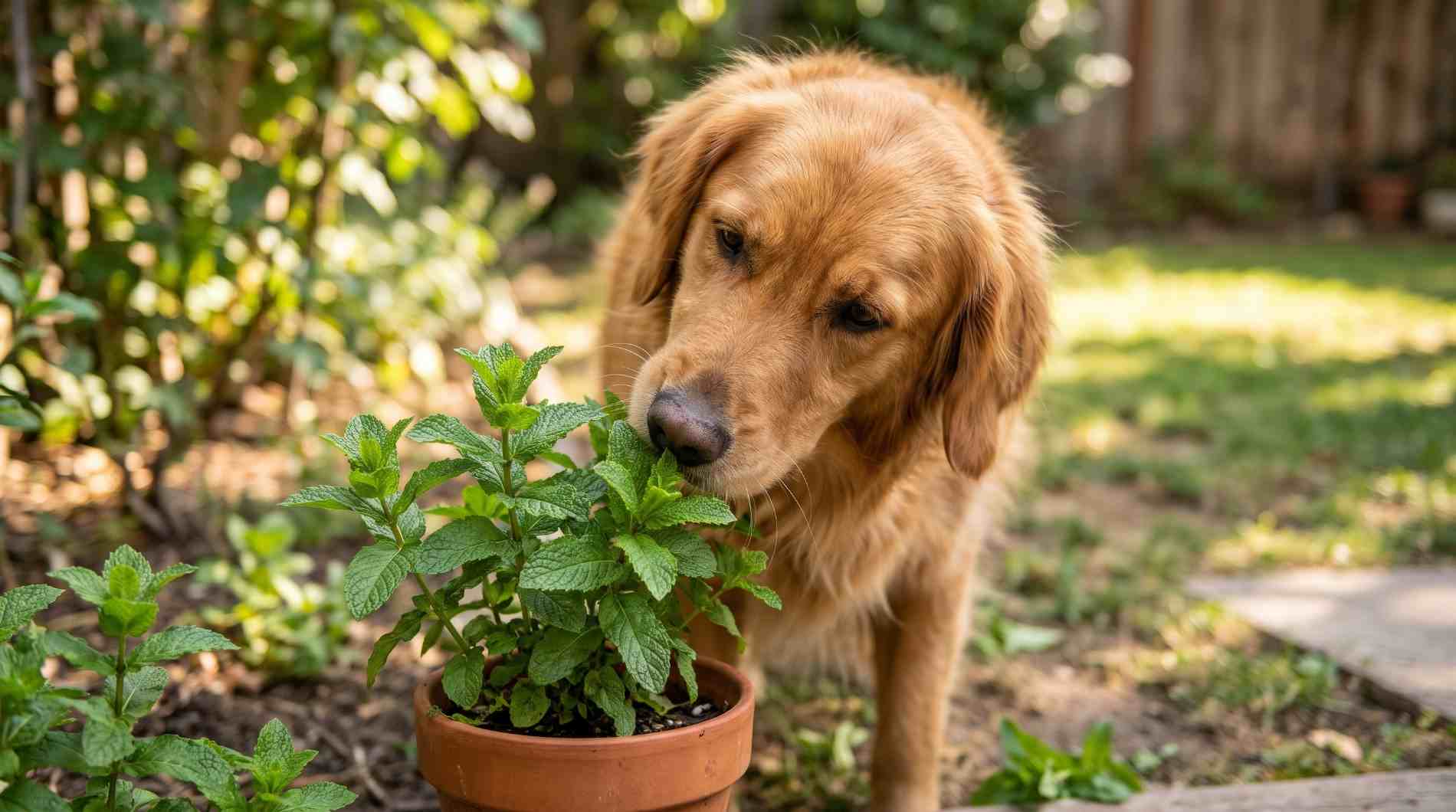
Check the new property for potential hazards, including gaps in fencing, open gates, household chemicals, and plants that may be toxic to dogs. Keep your dog leashed during initial outdoor explorations until you’re confident the area is secure.
Try to maintain familiar feeding, walking, and bedtime routines. These everyday habits can help your dog adjust while new sights, sounds, and smells become part of daily life.
What Signs Suggest Your Dog Is Struggling With the Move?
Some changes are understandable during a transition, but watch for persistent hiding, restlessness, excessive barking, reduced appetite, or unusual clinginess. These behaviors may reflect stress, although they can also have medical causes.
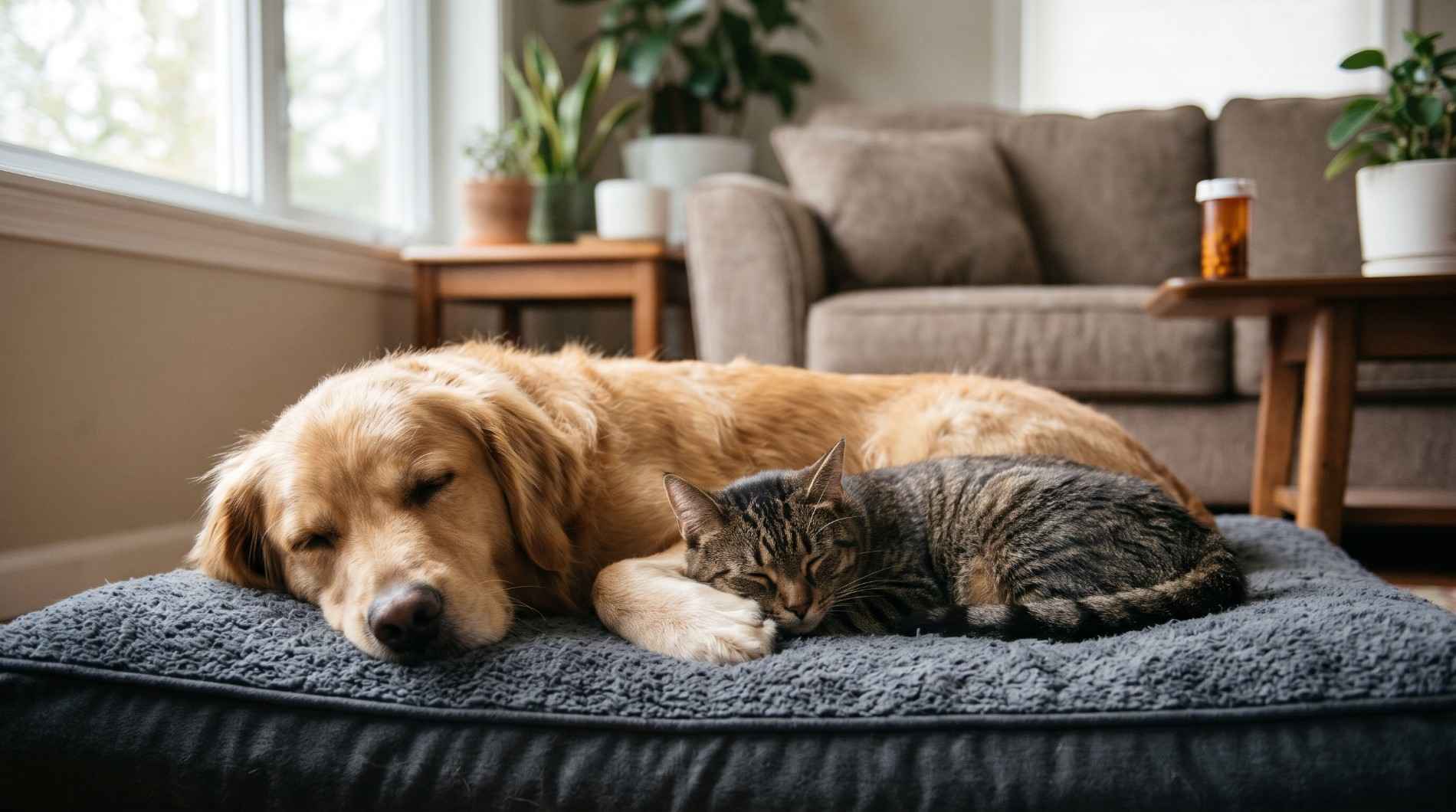
Give your dog a quiet place to retreat, offer gentle reassurance, and reward relaxed behavior. Avoid punishment for accidents or anxious reactions, which may make the transition harder.
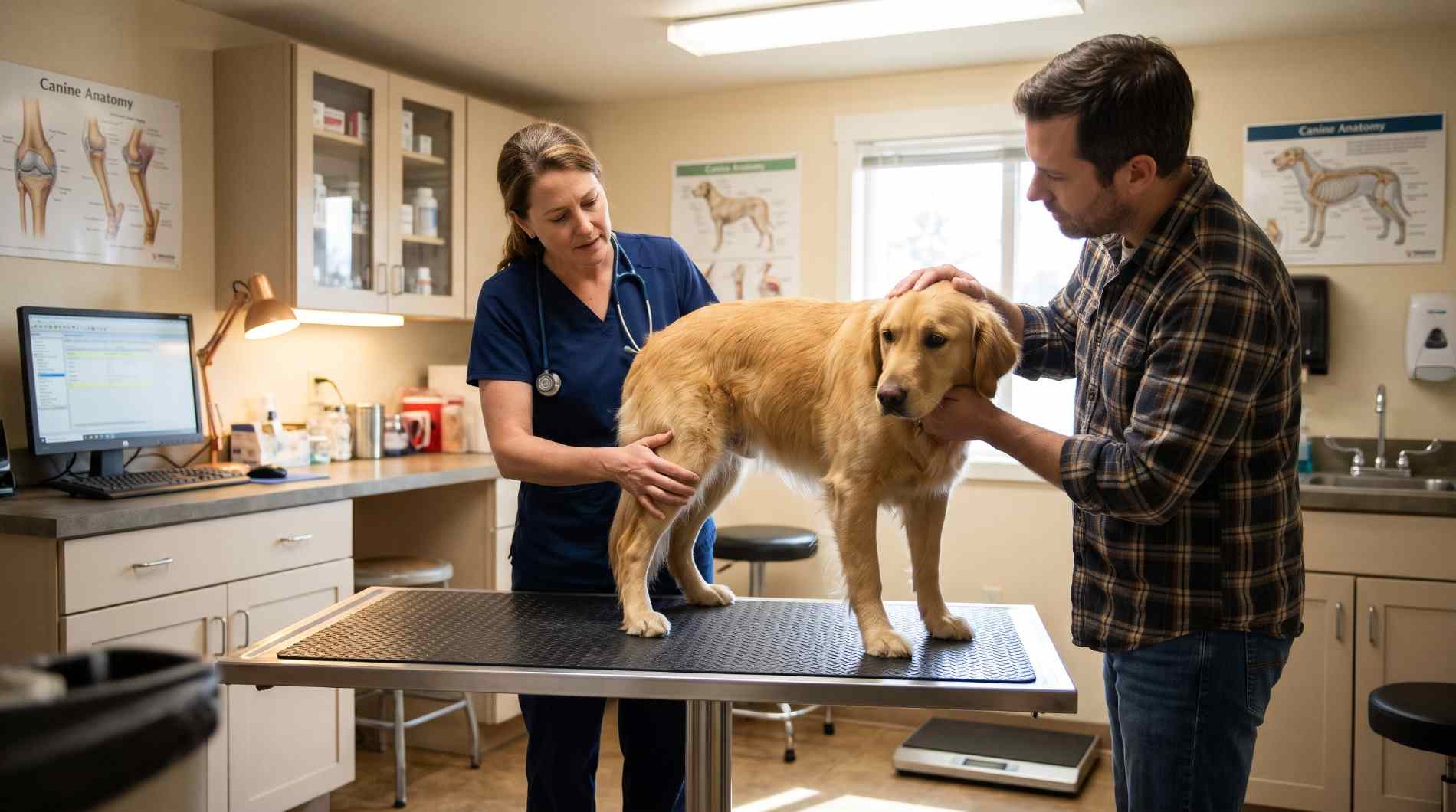
Contact your veterinarian if your dog’s distress is severe, continues without improvement, or comes with symptoms such as repeated vomiting, significant appetite loss, or marked lethargy.
Take Our Course: “Moving House With Your Dog”
A new home means new routines, surroundings, and experiences for your dog. Animal Wellness Academy’s Moving House With Your Dog course offers dog parents an opportunity to learn more about preparing for the move and helping their companions adjust to a change in environment.
Frequently Asked Questions
How long does it take a dog to adjust to a new home?
It varies. Some dogs settle within a few days, while others need several weeks or longer. Your dog’s temperament, past experiences, and the amount of change involved can affect the transition.
Should I walk my dog around the new neighborhood?
Yes, once you can do so safely. Start with short, calm walks using a secure leash and harness. Let your dog gradually become familiar with the new sights, sounds, and smells.
Should I keep my dog in one room after moving?
A quiet, secure room can provide a helpful starting point. Include familiar bedding, water, and toys, then allow your dog to explore other safe areas gradually.
What if my dog seems anxious after moving?
Maintain familiar routines, provide a safe resting place, and give your dog time to adjust. If anxiety is severe or persistent, consult your veterinarian for guidance.