
How Can You Massage Your Dog? A Guide for Dog Parents
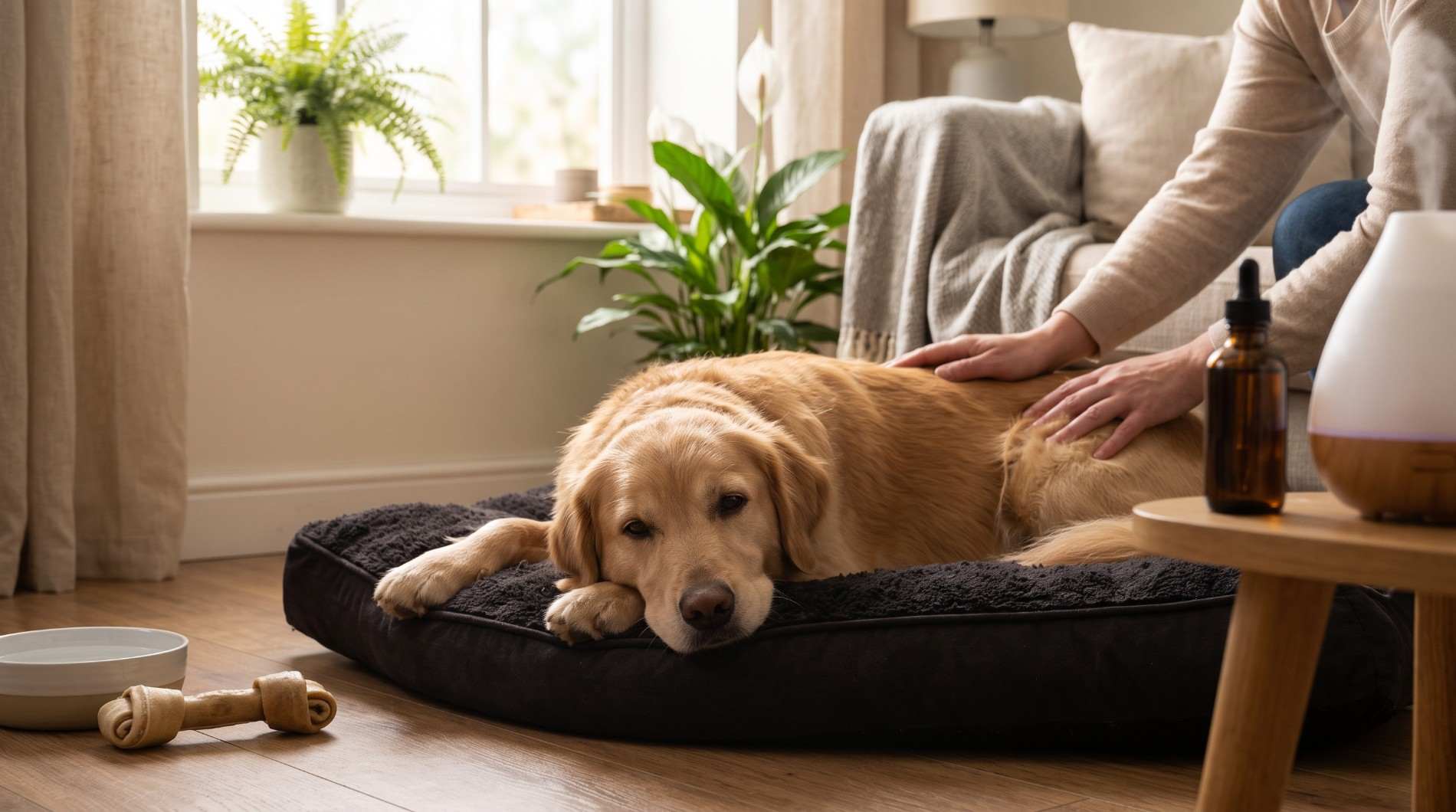
Does your dog lean into your hand when you rub their shoulders or settle down when you gently stroke their back? Those quiet moments can be a lovely way to connect. With a little knowledge, you can learn how canine massage works and when it may be appropriate for your dog.
Massage isn’t just about giving your dog extra cuddles. Gentle, appropriate techniques may help some dogs relax and give you a chance to notice changes in how their body feels. The key is knowing how to approach your dog comfortably and when massage isn’t the right choice.
TL;DR: Dog massage can offer a relaxing way to connect with your canine companion, but technique and timing matter. Learn about basic massage strokes, when to start, and the role of a canine massage therapist with Animal Wellness Academy’s How to Massage Your Dog course.
What Are the Benefits of Dog Massage?
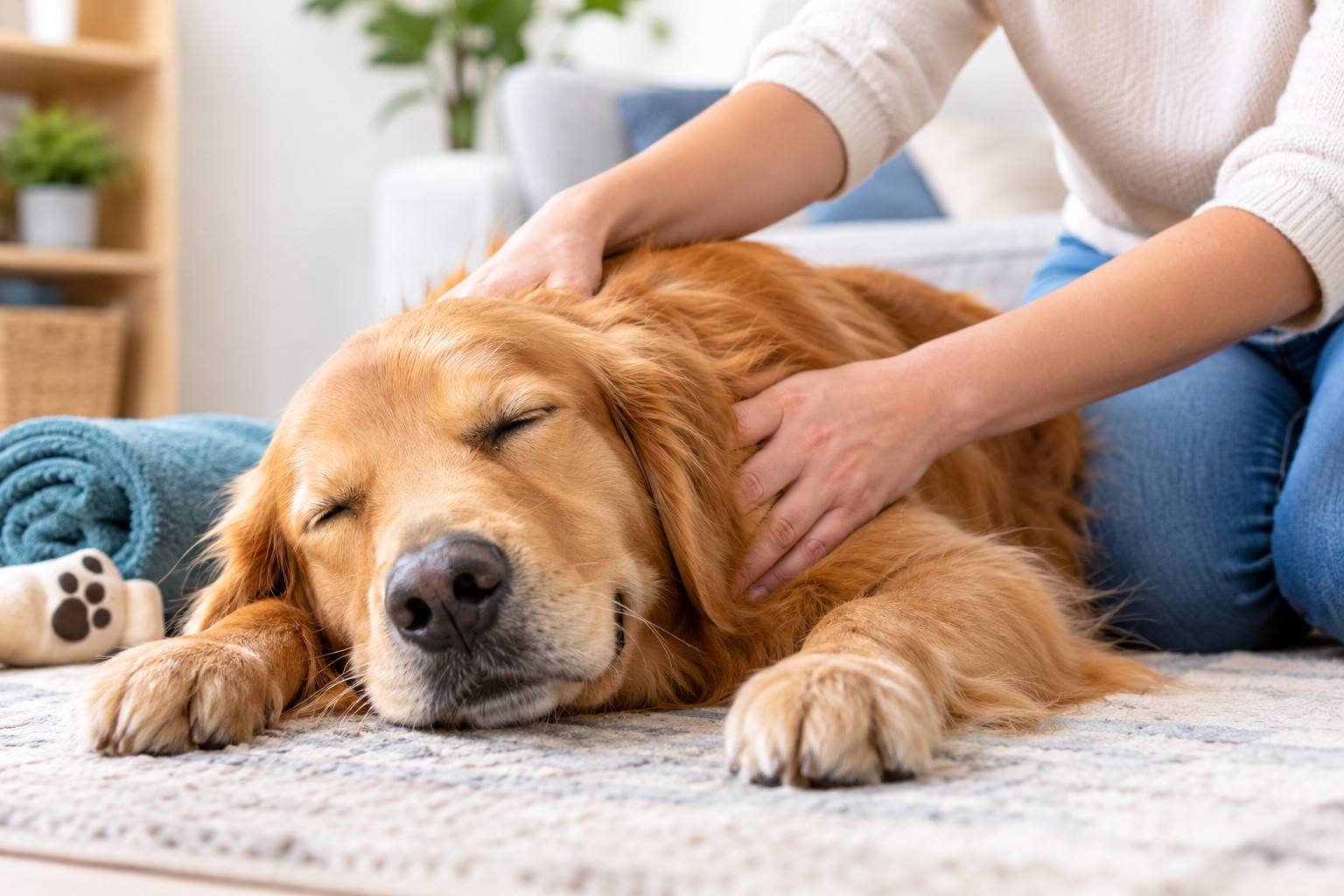
Canine massage involves using appropriate hand movements and pressure on a dog’s soft tissues. Depending on the dog and the technique, massage may help promote relaxation and ease muscle tension.
Some dogs enjoy gentle contact after a walk or during a quiet evening at home. Others prefer a little space, and that’s fine, too. Your dog’s response matters more than completing a particular routine.
Massage can also help you become more familiar with your dog’s body. While petting them, you may notice a new lump, an area of sensitivity, or a change in how they move. Massage isn’t a substitute for a veterinary examination, but noticing changes can help you decide when to seek advice.
When Can You Start Massaging Your Dog?
There’s no single routine that suits every dog. Age, health, temperament, activity level, and previous experiences with touch can all influence whether massage is appropriate.
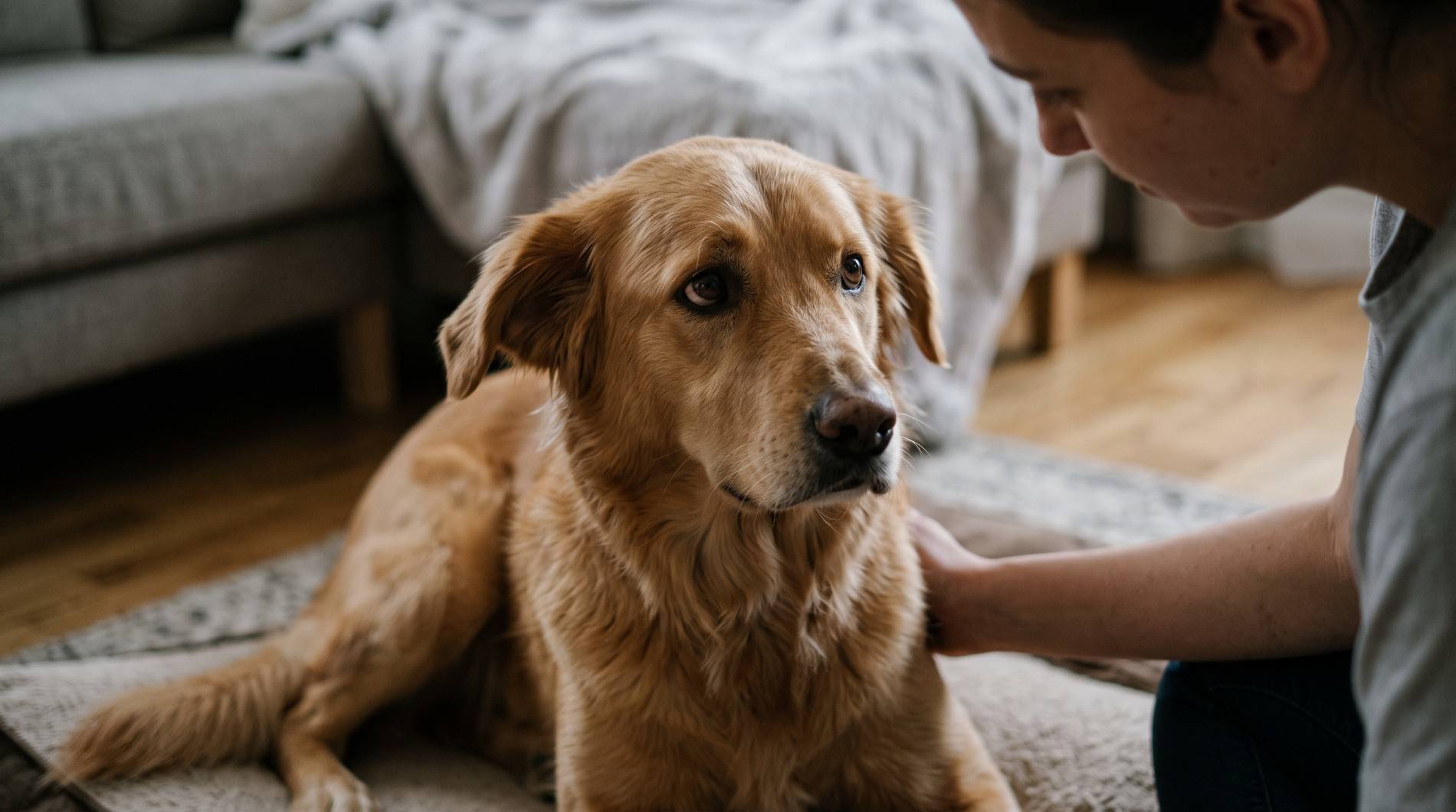
Start by choosing a quiet moment when your dog is relaxed. Let them approach you, and begin with gentle strokes in an area they already enjoy being touched, such as the shoulders or chest.
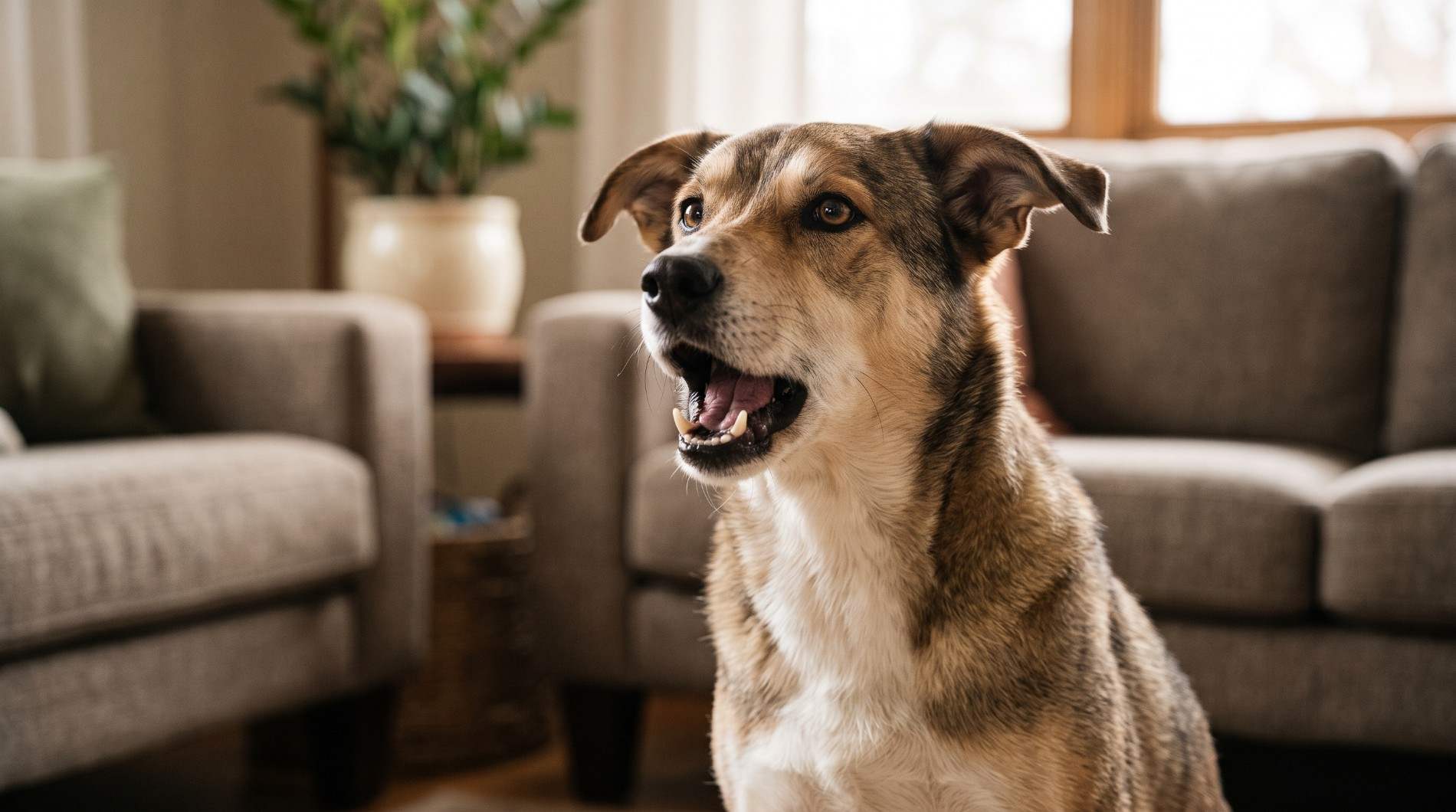
Watch their response. A relaxed posture and willingness to stay close may suggest they’re comfortable. Turning away, stiffening, repeatedly licking their lips, pulling away, or growling can indicate that they want you to stop or give them space.
Never force a dog to accept massage. If they seem uncomfortable, pause and let them choose whether to re-engage.
If your dog has an injury, a medical condition, recent surgery, or unexplained pain, ask your veterinarian before trying massage. Some situations require professional assessment rather than hands-on care at home.
What Basic Massage Strokes Can Dog Parents Learn?
The right technique depends on your dog’s comfort and the area being touched. For a simple introduction, keep your movements slow and your pressure light.
Here are a few principles to keep in mind:
- Start with gentle strokes. Use relaxed, smooth movements over areas where your dog enjoys being petted.
- Pay attention to pressure. Avoid digging your fingers into muscles or pressing directly on joints, the spine, or sensitive areas.
- Keep sessions short. A brief, comfortable interaction is better than continuing after your dog has had enough.
- Let your dog guide you. Stop if they move away or show signs of discomfort.
These are general handling tips, not a complete therapeutic massage routine. More specialized techniques should be learned from a qualified professional.
Should You See a Canine Massage Therapist?
Sometimes, professional guidance is the best option. A canine massage therapist may be able to tailor techniques to your dog’s needs and help you understand which approaches are appropriate.
This can be especially relevant if you’re interested in massage for a specific physical concern. Speak with your veterinarian first if your dog has pain, mobility changes, an injury, or an underlying health condition. Massage should complement appropriate veterinary care, not replace diagnosis or treatment.
Animal Wellness Academy’s course is taught by Penny Kittlitz, a canine massage therapist based in Edmonton, Canada. It covers when to start, basic massage strokes, the benefits of canine massage, and why someone might choose a canine massage therapist. The course includes one lesson, a quiz, and a course certificate.
Take Our Course: “How to Massage Your Dog”
Want to learn more about making massage a comfortable experience for your dog?
Animal Wellness Academy’s How to Massage Your Dog course introduces basic canine massage techniques and explains what to consider before getting started. It’s a helpful next step for dog parents who want to explore massage thoughtfully and understand when professional support may be useful.
Frequently Asked Questions
Can I massage my dog every day?
Some dogs enjoy regular gentle massage, but frequency and duration depend on their comfort and health. Keep sessions brief at first, and stop if your dog shows signs of discomfort.
Where should I avoid massaging my dog?
Avoid applying pressure to painful, swollen, injured, or sensitive areas. If your dog has a health concern or recent surgery, ask your veterinarian which types of touch are safe.
Can dog massage help with stress?
Gentle massage may help some dogs relax, but not every dog enjoys being touched in this way. Watch your dog’s body language and allow them to move away freely.
Who can take the AWA How to Massage Your Dog course?
The course is intended for pet owners, pet professionals, and veterinarians who want to learn more about canine massage.