
How Can Fear Free® Make Vet Visits Less Stressful for Your Dog?
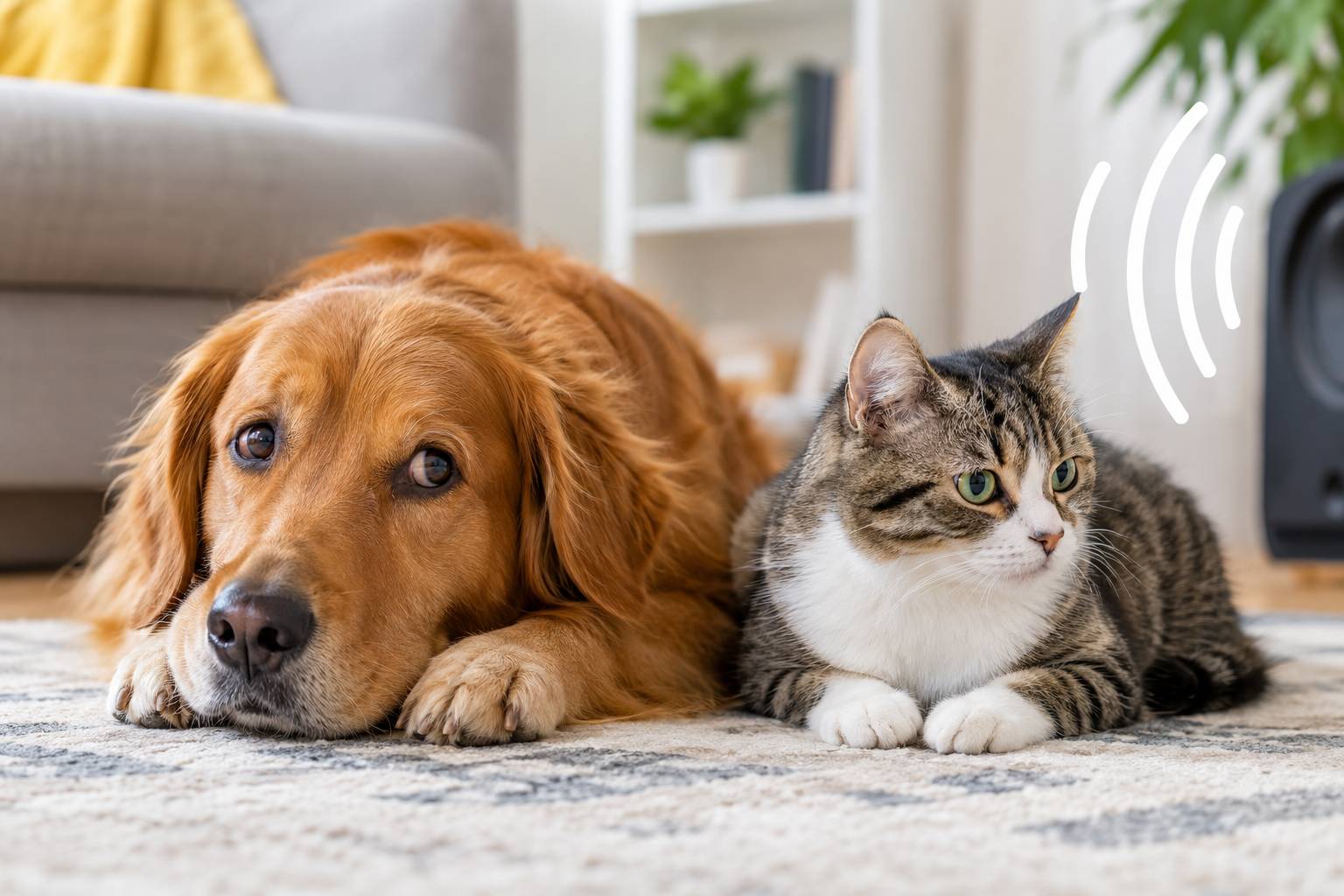
Does your dog know exactly where you’re going the moment you turn toward the veterinary clinic? Maybe they hide, shake, pull on the leash, or become difficult to handle. For some dogs, a routine veterinary visit can bring a lot of fear, anxiety, and stress.
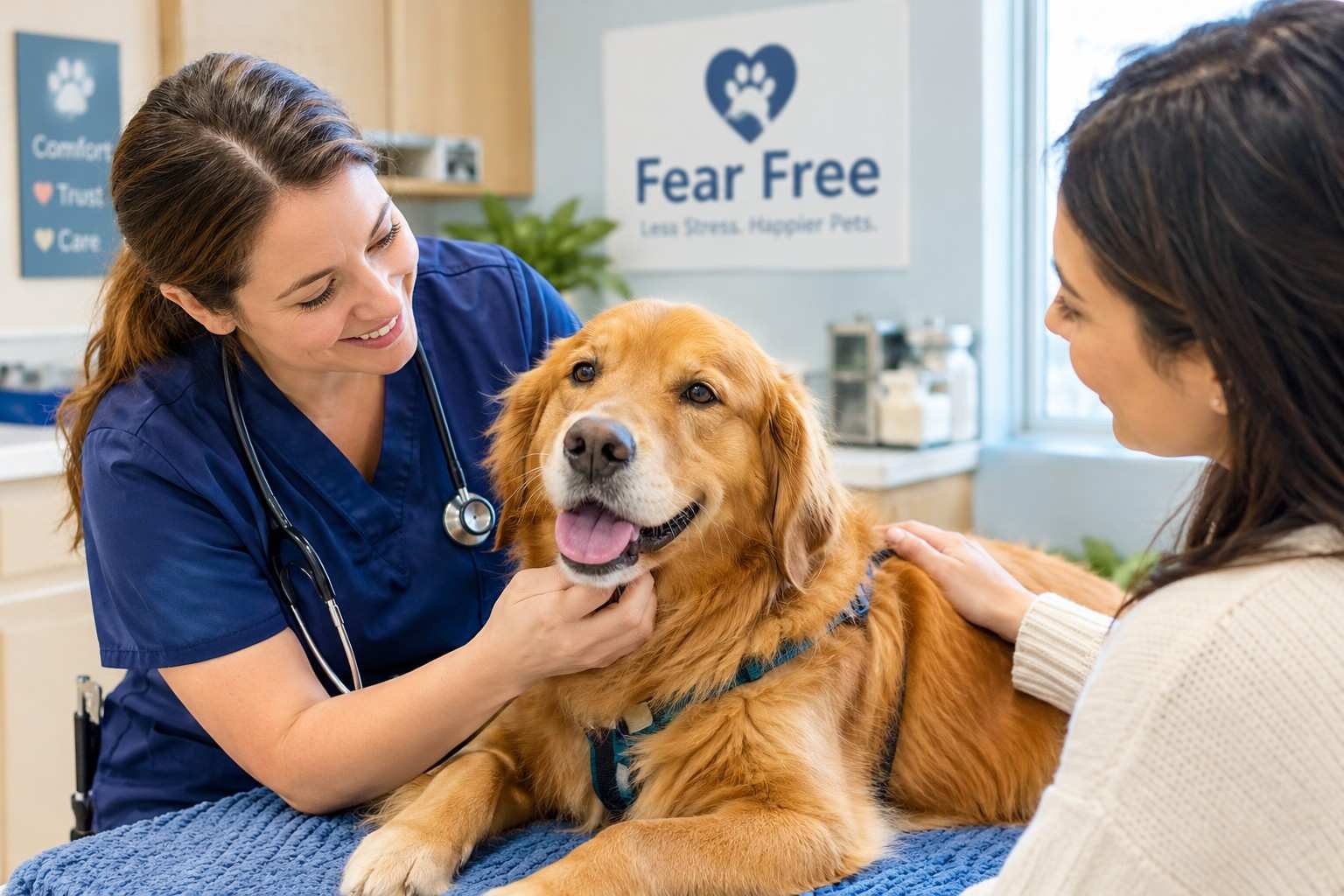
A Fear Free® approach looks at more than getting through the examination. It focuses on creating a calmer experience for pets, their people, and the veterinary team by reducing avoidable sources of stress.
TL;DR: Fear Free® veterinary care aims to reduce fear, anxiety, and stress during your dog’s visit through thoughtful handling, preparation, and environmental changes. If you want to learn how a Fear Free® approach can make veterinary visits easier for your dog, explore the “How Fear Free Makes Vet Visits Less Stressful” course.
Why are some dogs afraid of going to the vet?
The veterinary clinic can be an unfamiliar place filled with strange smells, sounds, people, animals, and physical handling. Even a friendly dog may feel overwhelmed when all these experiences happen at once.
Previous experiences can matter, too. If a dog has had a painful procedure or frightening examination, they may become more worried about future visits.
Dogs also can’t tell us exactly what they’re feeling. Instead, their body language can provide clues. Changes in posture, movement, facial expression, or willingness to interact may indicate that a dog is becoming uncomfortable or stressed. Fear Free® education specifically emphasizes recognizing body language associated with fear, anxiety, and stress.
What does Fear Free® veterinary care mean?
Fear Free® doesn’t mean your dog will never experience anything uncomfortable at the veterinarian. Some examinations and treatments naturally involve unfamiliar sensations.
Instead, the goal is to reduce unnecessary fear, anxiety, and stress wherever possible. This can involve everything from the way a veterinary professional approaches a dog to where the examination takes place.
Fear Free® guidance includes considerate approaches, gentle handling, appropriate touch, patient movement, and attention to the animal’s emotional state.
Small changes can make a difference. A nonslip surface can give a dog more secure footing. Treats can create positive associations. Giving a pet time to settle before an examination may also help.
How can dog parents make vet visits easier?
Your preparation starts before you reach the clinic.
Getting your dog comfortable with their carrier, car rides, handling, and basic cooperative behaviors can make the journey less overwhelming. If your dog becomes anxious in the waiting room, you can also ask the clinic whether you can wait somewhere quieter or go directly into an examination room.
Fear Free® recommendations for transportation include securing the carrier or crate, minimizing unnecessary movement, and allowing pets to arrive in a calm state.
Your own behavior matters, too. If you’re rushed or tense, your dog may pick up on that change. Give yourself enough time to get there without scrambling through the door.
Can Fear Free help dogs that are especially nervous?
It can provide a framework for recognizing and responding to different levels of fear, anxiety, and stress.
For a particularly worried dog, the veterinary team may need to adjust the appointment rather than simply pushing through it. Depending on the situation, that could mean changing the environment, using different handling techniques, allowing more time, or discussing pre-visit medication with the veterinarian. Fear Free® veterinary guidance includes pre-visit strategies for pets experiencing significant fear, anxiety, and stress.
The goal isn’t to make your dog “behave” at all costs. It’s to understand what they’re communicating and work with the veterinary team to make care safer and more comfortable.
Why does a less stressful vet visit matter?
A calmer visit can benefit everyone involved. Your dog may be more comfortable, you may feel less worried, and the veterinary team can focus on providing care without adding unnecessary stress.
Perhaps most importantly, a positive experience can shape how your dog feels about future veterinary visits. Fear Free® education encourages veterinary teams to think beyond the appointment happening today and consider the pet’s future experiences with veterinary care.
That makes every visit an opportunity to build trust.
What can you learn from a Fear Free® course?
If you’ve ever wished you knew how to make your dog’s veterinary appointments easier, learning more about Fear Free care can give you a better understanding of what happens before, during, and after a visit.
The How Fear Free® Makes Vet Visits Less Stressful course gives pet parents a chance to explore the principles behind lower-stress veterinary experiences and consider how they can support their own dogs.
You’ll gain a better understanding of why your dog’s reactions happen, what you can do to prepare, and how working with your veterinary team can make future visits more comfortable.
Take Our Course: “How Fear Free® Makes Vet Visits Less Stressful”
Want to help your dog feel more comfortable at the veterinarian?
Our How Fear Free® Makes Vet Visits Less Stressful course gives you an opportunity to learn more about the Fear Free approach and the ways thoughtful preparation and handling can change the veterinary experience.
Frequently Asked Questions
What is a Fear Free® vet visit?
A Fear Free® vet visit is designed to reduce fear, anxiety, and stress through approaches such as thoughtful handling, environmental adjustments, patient preparation, and attention to the pet’s emotional state.
How can I prepare my dog for a less stressful vet visit?
Practice calm handling at home, help your dog build positive associations with their carrier or car, allow plenty of travel time, and ask your veterinary clinic about options for minimizing waiting-room stress.
What if my dog is extremely afraid of the veterinarian?
Tell your veterinary team before the appointment. They may be able to adjust the visit, change the environment, use different handling techniques, or discuss appropriate pre-visit medication when needed.
Does Fear Free® mean my dog won’t feel any discomfort?
No. Veterinary examinations and procedures can sometimes be uncomfortable. Fear Free focuses on reducing unnecessary fear, anxiety, and stress while providing appropriate medical care.