
How Can You Help a Reactive Dog Without Medication?
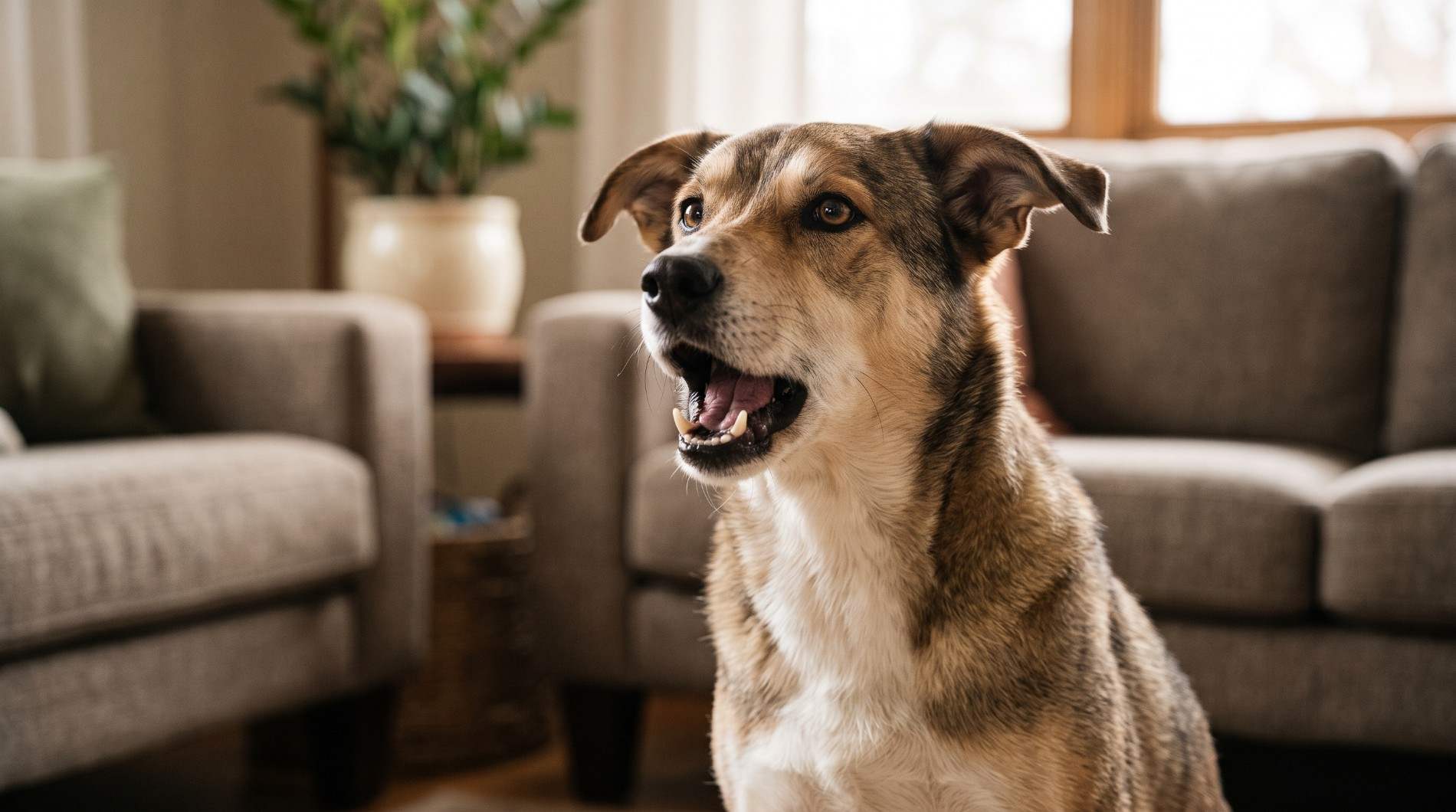
Does your dog bark, lunge, growl, or get overly excited when another dog walks by? Maybe a simple neighborhood walk feels like hard work because you never know what might set them off.
These behaviors can be difficult to manage, but they don’t mean your dog is bad or beyond help. Reactivity can involve anything from overexuberant playfulness to fear and aggression. Understanding what your dog experiences and finding the right support can help you respond more thoughtfully.
TL;DR: Helping a reactive dog without medication may involve positive training, mental stimulation, and carefully chosen calming support. Every dog has different needs, so focus on understanding triggers and building skills at a pace your dog can manage. For more guidance, explore Animal Wellness Academy’s How to Help a Reactive Dog Without Meds course.
What Does It Mean When a Dog Is Reactive?
A reactive dog has a strong response to something in their environment. That might be another dog, a stranger, a passing bicycle, or a sound that makes them uncomfortable.
Some dogs bark and pull toward a trigger because they’re excited. Others react by growling, lunging, or trying to create distance because they feel frightened or overwhelmed.
The behavior alone doesn’t tell you exactly what’s causing it.
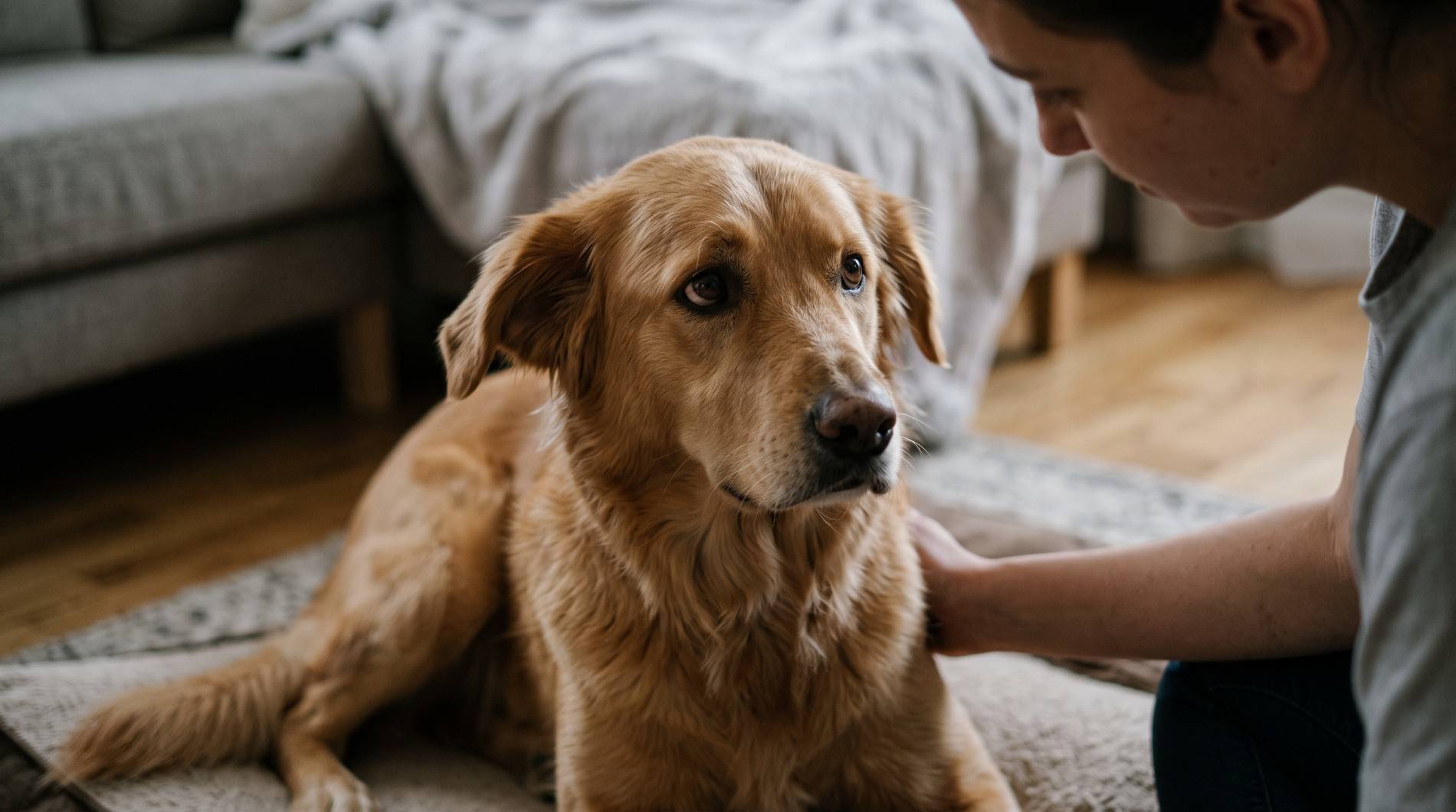
Pay attention to what happens before your dog reacts. Do they stiffen, stare, pull on the leash, or try to move away? Noticing these early signs can help you recognize when your dog needs more space or a quieter environment.
Can You Help a Reactive Dog Without Medication?
Yes, some dogs can make progress with non-medication approaches, depending on the cause and severity of their reactivity. Positive training and appropriate enrichment can be useful parts of a behavior plan.
However, working without medication isn’t the right choice for every dog. If your dog is extremely distressed or struggling to function comfortably, speak with your veterinarian about the available options. Medication can be appropriate for some dogs, and it shouldn’t be ruled out when professional guidance indicates it’s needed.
The goal is to help your dog feel safer and respond more comfortably, not simply to stop the barking.
How Can Positive Training Help a Reactive Dog?
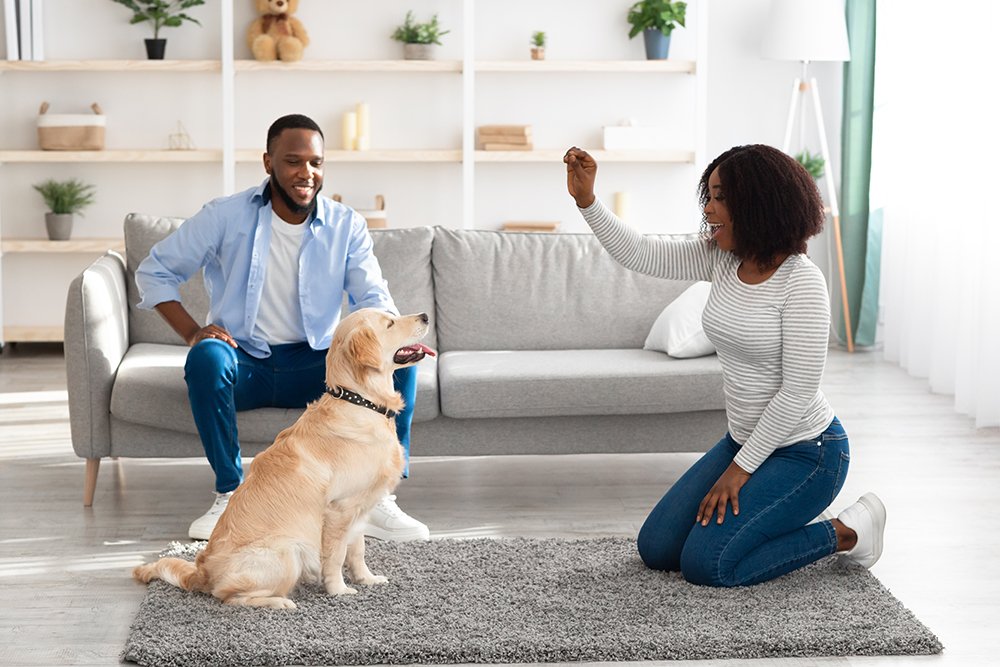
Positive training focuses on rewarding behaviors you want to encourage rather than frightening or punishing your dog.
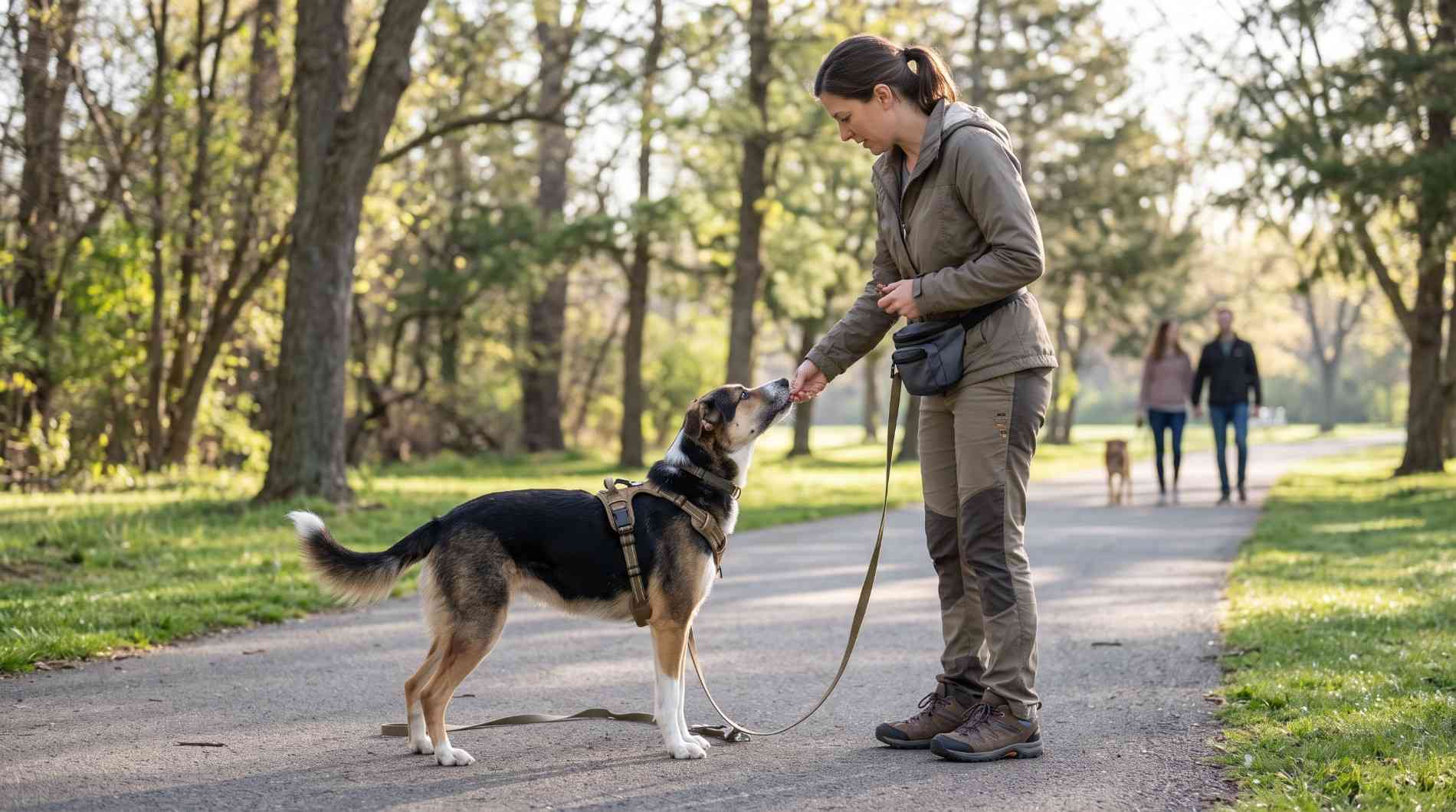
For example, if your dog spots another dog at a comfortable distance and looks back at you, you can reward that check-in. Over time, carefully managed practice may help your dog learn a different response to a familiar trigger.
Distance matters. If your dog is already barking, lunging, or unable to focus, the situation may be too difficult for learning at that moment. Move farther away when possible and try again in an easier setting.
Avoid leash corrections, shouting, or forcing your dog to approach something they’re afraid of. These responses can increase stress and may make the situation harder to manage.
Can Games and Puzzles Help Reactive Dogs?
Mental stimulation gives dogs opportunities to sniff, explore, solve problems, and engage with their surroundings.
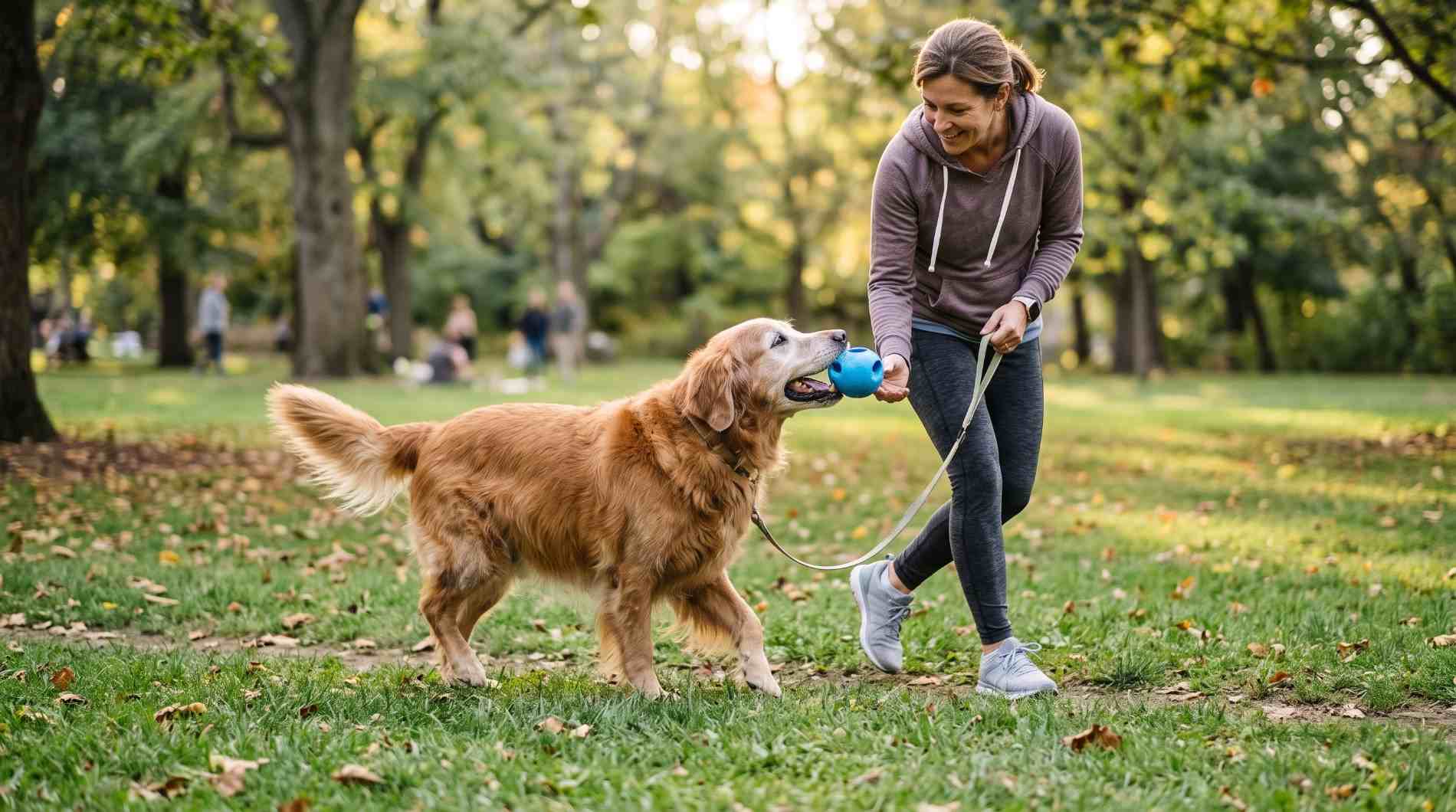
Food puzzles, sniffing games, and simple reward-based activities can provide useful outlets for mental energy. They can also offer enjoyable ways to interact with your dog away from stressful situations.
The AWA course specifically explores mental stimulation through games and puzzles, along with positive training and calming supplements, as approaches to managing reactive dogs.
Calming supplements aren’t suitable for every dog, so discuss potential products with your veterinarian before introducing them.
When Should You Get Professional Help?
If your dog’s reactivity is worsening, involves biting, or makes everyday activities difficult, seek help from your veterinarian and a qualified, reward-based behavior professional. Pain and other health concerns can also affect behavior, particularly when a change appears suddenly.
You don’t have to wait until things become unmanageable. Getting support early can help you develop a plan that considers your dog’s triggers, safety, and individual needs.
Take Our Course: “How to Help a Reactive Dog Without Meds”
Want to understand your dog’s reactions and explore approaches beyond medication?
Animal Wellness Academy’s How to Help a Reactive Dog Without Meds course introduces positive training, calming supplements, and mental stimulation through games and puzzles. Taught by Patrick Kuklinski, this short course includes one lesson and a quiz.
Frequently Asked Questions
Can a reactive dog become less reactive?
Many dogs can improve with appropriate training and management, although progress varies. The right plan depends on the dog’s triggers, experiences, and individual needs.
Should I punish my dog for barking or lunging?
Punishment can increase fear or stress in some dogs. Focus on safety, managing distance from triggers, and seeking qualified help when needed.
Do calming supplements help reactive dogs?
Some products are marketed for calming support, but their suitability and effects vary. Ask your veterinarian before giving your dog a supplement.
Who is the AWA course for?
The course is designed for pet owners, pet professionals, and veterinarians who want to learn more about managing reactive behavior in dogs.